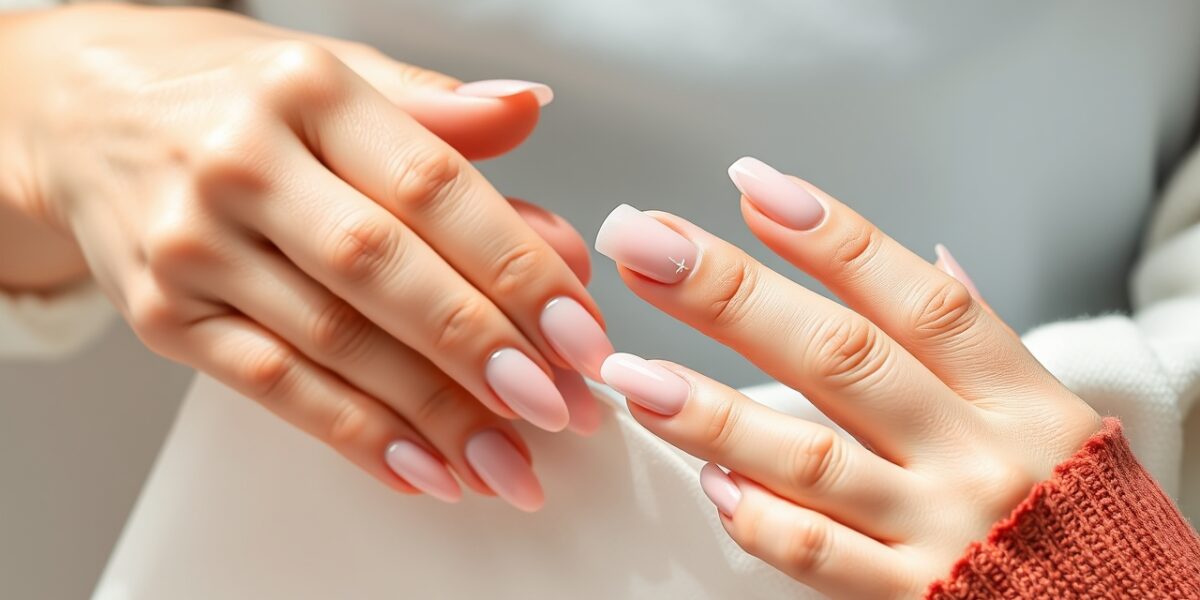
Removing acrylic nails can feel like a daunting task, but with the right approach it’s entirely doable at home. The key is to work slowly, protect your natural nail bed, and finish with a gentle care routine. Below is a comprehensive, step‑by‑step guide that covers everything from selecting the best acetone to post‑removal recovery.
Understanding Acrylic Nails: What They Are and Why Removal Matters
Acrylic nails are a composite of a liquid monomer and a polymer powder that harden into a durable shell. They’re popular for their strength and versatility, but because they sit on top of the natural nail, they can trap bacteria and cause the underlying nail to become brittle if left on too long. Removing them at the right time preserves nail health and prevents issues such as fungal infections, hangnails, and permanent damage to the nail plate.
Choosing the Right Acetone and Tools
Acetone is the solvent that dissolves acrylic. For effective removal you need a high‑strength acetone (90% or higher). Lower‑concentration removers won’t soften the acrylic fully and will leave residue behind. If you have sensitive skin, look for a “nail‑friendly” acetone that includes moisturizing ingredients like glycerin or vitamin E.


Tools that help keep the process clean and safe include:
- Acetone‑resistant cotton pads or small cotton balls
- Aluminum foil or a small plastic wrap sheet to hold the cotton in place
- Scissors or a nail clipper for trimming the acrylic bulk
- A gentle nail file or emery board for finishing the surface
- Cuticle oil or a rich hand cream for post‑care
- Paper towels or a clean cloth for wiping away excess acetone
Step‑by‑Step Guide to Safe Removal
1. Gather Your Supplies
Place all your tools within arm’s reach. Having everything ready reduces the temptation to rush or skip steps.
2. Trim the Acrylic to the Nail Bed
Use the nail clipper or scissors to cut the acrylic to just above the natural nail surface. This reduces the amount of material that needs to be soaked and speeds up the process.
3. Soak Off Acrylic: The Gentle Approach
Fill a shallow dish with enough acetone to cover the trimmed nails. Saturate a cotton pad with acetone, place it over the nail, and wrap a piece of foil or plastic around the pad to create a small “acetone chamber.” Let the nails sit for 10–15 minutes. The acetone softens the acrylic, allowing it to detach with minimal force.
4. Remove the Acrylic Layer
- After soaking, gently push the softened acrylic off with a cuticle pusher or your fingertips. If it resists, re‑soak for an additional 5 minutes.
- Avoid using metal tools or excessive force. Sharp instruments can cut the nail bed and cause infection.
- Once most of the acrylic has been removed, use a nail file to smooth any remaining residue.
5. Finish with a Light Buff
Lightly file the nail surface to remove any rough edges. File in one direction, not in a back‑and‑forth motion, to preserve the natural nail’s integrity.
6. Clean and Moisturize
Wipe away any leftover acetone with a paper towel. Apply a generous amount of cuticle oil or a hand cream to the nail bed and cuticles. Massage gently to stimulate circulation and lock in moisture.
Alternative Removal Techniques for Sensitive Skin
Some people find acetone too harsh. If you have sensitive skin or allergies, consider these alternatives:
- Acetone‑free remover blends: These products contain a lower acetone concentration and are supplemented with soothing ingredients. They may take longer (up to 30 minutes) but are gentler.
- Natural soaking: Soaking nails in warm water with a few drops of essential oil (lavender or tea tree) can soften acrylic over a longer period. This method is slower but eliminates chemical exposure.
- Professional removal tools: If you’re uncertain, a nail technician can use a specialized nail drill with a soft brush attachment to remove acrylic without damaging the nail bed.
Common Problems and How to Fix Them
- Residual acrylic sticking to the nail: Re‑soak for an extra 5–10 minutes. If it still resists, gently file the surface to break the bond.
- Dry, brittle nails after removal: Apply a protein‑rich nail strengthener and keep the nails moisturized daily.
- Cuticle irritation: Use a cuticle softener before soaking. After removal, trim any overgrown cuticles with clean scissors.
- Discoloration or staining: Rinse the nails with lukewarm water and apply a whitening nail polish or a light base coat to mask the stain.
When to Call a Professional
Even with careful technique, some scenarios warrant a professional touch:
- Heavy acrylics that have been on for more than 4–6 weeks.
- Visible damage to the natural nail plate or nail bed.
- Severe hangnails or infections around the cuticle area.
- Uncertainty about the correct removal method.
Post‑Removal Nail Care Routine
- Hydration: Apply a thick hand cream or cuticle oil 2–3 times daily.
- Protection: Use a clear base coat or a light nail polish to shield the nail surface from daily wear.
- Nutrition: Incorporate biotin, vitamin E, and omega‑3 fatty acids into your diet to strengthen nails from within.
- Rest period: Give your nails at least 7–10 days before applying a new acrylic set.
- Regular maintenance: Trim and file your nails every 2–3 weeks to keep them healthy and prevent buildup.
FAQ
- How to remove acrylic nails safely: can I use a nail polish remover? Standard nail polish remover typically contains acetone at 30–40%—too low to soften acrylic completely. For safe removal, use a 90% or higher acetone or a dedicated acrylic remover.
- Is it safe to do this at home? Yes, if you follow the steps carefully, avoid sharp tools, and moisturize the nails afterward. Over‑soaking or aggressive filing can damage the nail bed.
- How long does it take to remove acrylic nails safely? The entire process generally takes 20–30 minutes, depending on acrylic thickness and the acetone concentration. A 10–15 minute soak plus 5–10 minutes for removal is typical.
- Can I do this again after a week? It’s best to give your nails a rest period of at least a week to allow the nail bed to recover before applying a new acrylic set.
- Where can I learn more about nail care? Visit our Nailspalist community for tips, tricks, and a supportive network of nail lovers.
By following this guide, you’ll be able to remove acrylic nails safely, keep your natural nails healthy, and enjoy a smooth transition back to natural beauty.
Leave a Reply