Introduction
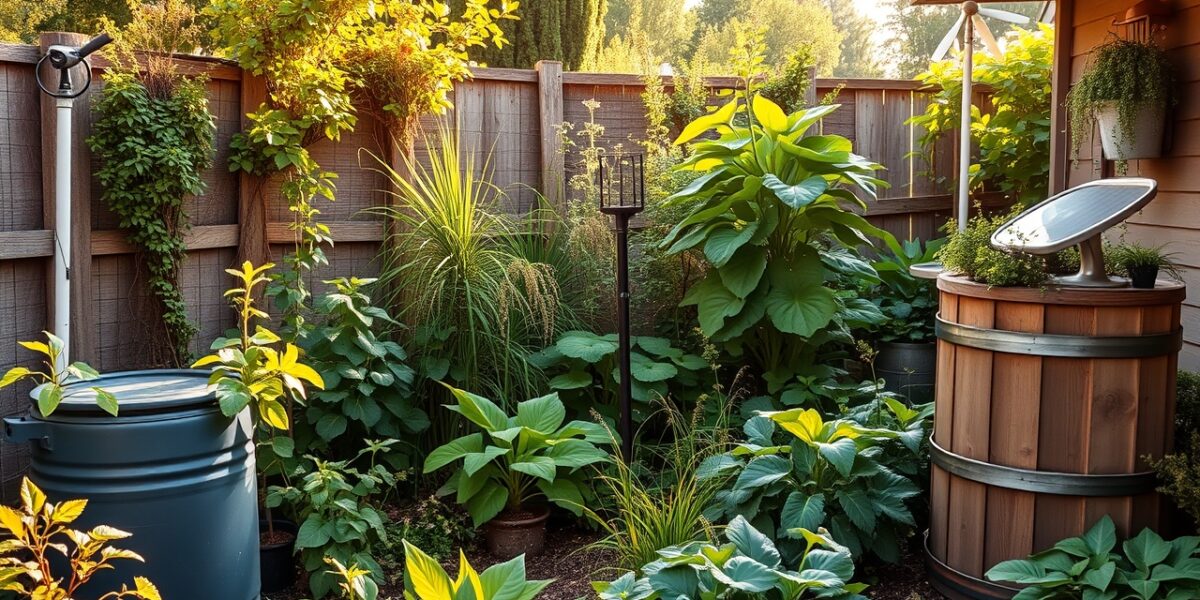
Gardening has always been a way to connect with the earth, to grow food, and to find peace. In recent decades, the concept of sustainable gardening has emerged as a powerful movement that goes beyond simply planting a few herbs. It is a holistic approach that considers the entire ecosystem of the garden—from the soil and water to the plants and the people who tend them. This guide will walk you through every aspect of sustainable gardening, giving you the knowledge and tools you need to create a thriving, environmentally responsible garden.
Why Sustainable Gardening Matters
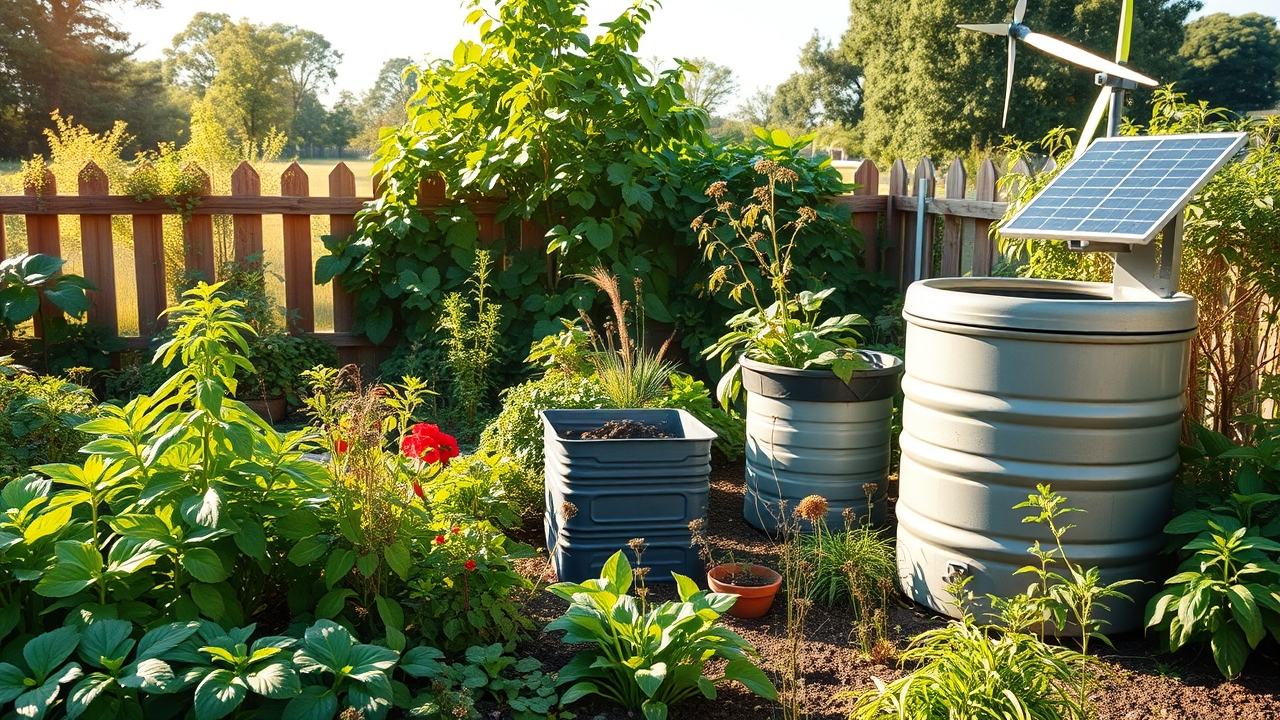
Our planet is facing unprecedented environmental challenges: climate change, soil erosion, water scarcity, and biodiversity loss. Sustainable gardening offers practical solutions that help mitigate these issues while providing fresh, healthy produce. By adopting sustainable practices, gardeners can reduce chemical inputs, conserve water, promote biodiversity, and create resilient ecosystems that adapt to changing conditions.
In addition to environmental benefits, sustainable gardening improves human health. Fresh, pesticide-free produce is richer in nutrients, and the act of gardening itself promotes physical activity, mental well‑being, and a deeper connection to nature.



Planning Your Sustainable Garden
Before you even pick up a shovel, careful planning is essential. Start by assessing your site’s light, soil type, drainage, and microclimates. Map out the garden in a sketch, noting the orientation of the sun, wind patterns, and existing vegetation. Choose a layout that maximizes natural light and minimizes the need for irrigation.
Consider the size of your garden. A smaller, well‑managed plot can be more sustainable than a sprawling, poorly maintained one. Focus on quality over quantity, and plan for a mix of perennials, annuals, and ground covers that provide continuous cover and reduce soil erosion.
Soil Management
Healthy soil is the foundation of a sustainable garden. Begin with a soil test to determine pH, nutrient levels, and organic matter content. Use the results to tailor amendments that improve soil structure and fertility.
Incorporate organic matter such as compost, shredded leaves, and mulch. These materials increase microbial activity, enhance water retention, and supply essential nutrients. Avoid synthetic fertilizers; instead, use slow‑release organic options like bone meal, kelp meal, or fish emulsion.
Practice no‑till or minimal tilling. Tilling breaks up soil structure, reduces aeration, and can lead to erosion. Use cover crops or living mulches to protect the soil surface and add nutrients.
Water Conservation
Water is a precious resource, and sustainable gardening emphasizes efficient use. Install a rain barrel to capture runoff from your roof, and use the collected water for irrigation. Combine this with drip irrigation systems that deliver water directly to plant roots, reducing evaporation.
Plant deep‑rooted, drought‑tolerant species that require less frequent watering. Group plants with similar water needs together—a practice known as “companion planting” that reduces overall water consumption.
Mulch is a powerful tool for conserving moisture. Spread a 2–4 inch layer of organic mulch around plants to keep the soil cool, reduce evaporation, and suppress weeds.
Plant Selection
Choosing the right plants is critical. Native species are adapted to local conditions, require fewer inputs, and support local wildlife. If you prefer non‑native varieties, select those that are hardy and drought‑tolerant.
Incorporate a mix of perennials, biennials, and annuals. Perennials provide long‑term cover and reduce the need for re‑planting, while annuals add color and diversity. Ground covers like clover or creeping thyme can suppress weeds and fix nitrogen in the soil.
Use companion planting to improve plant health. For example, pair basil with tomatoes to deter pests, or plant marigolds near beans to repel nematodes.
Pest Management
Integrated Pest Management (IPM) is the cornerstone of sustainable pest control. IPM relies on a combination of biological, cultural, and mechanical methods to keep pest populations below harmful levels.
Encourage beneficial insects such as ladybugs, lacewings, and predatory beetles by planting nectar‑rich flowers. Use physical barriers like row covers or netting to keep larger pests away. In cases where pests become problematic, opt for organic pesticides like neem oil or insecticidal soap instead of synthetic chemicals.
Regular monitoring is key. Inspect plants weekly, remove affected leaves promptly, and maintain healthy plant vigor to resist disease.
Composting
Composting turns kitchen scraps and garden waste into a nutrient‑rich soil amendment. Set up a compost bin or pile in a shaded area. Layer green materials (fruit peels, coffee grounds) with brown materials (dry leaves, straw) to maintain balance.
Turn the pile every few weeks to aerate and speed up decomposition. After a few months, you’ll have dark, crumbly compost ready to enrich your beds.
Compost can also be used as a mulch, further reducing the need for commercial products.
Mulching
Mulch is more than a decorative layer. It protects soil, conserves moisture, and suppresses weeds. Organic mulches like shredded bark, straw, or leaf mold also feed the soil as they break down.
Apply mulch in a 2–4 inch layer, keeping it a few inches away from plant stems to prevent rot. Replenish mulch annually to maintain its benefits.
Renewable Energy in the Garden
Energy use in gardening is often overlooked. Solar-powered lights, irrigation pumps, and small wind turbines can reduce your carbon footprint.
Solar panels can power a drip irrigation system, reducing reliance on grid electricity. A small wind turbine can harvest energy on breezy days, especially in open fields.
Use energy‑efficient tools and equipment. Hand tools, electric lawn mowers, and battery‑powered cultivators are all greener alternatives to gasoline‑powered machines.
Community and Sharing
Gardening is inherently social. Share surplus produce with neighbors, join a local community garden, or start a seed‑exchange program. These activities foster resilience and reduce waste.
Workshops and classes can spread knowledge about sustainable practices, encouraging more people to adopt eco‑friendly gardening. Volunteering at local schools or parks also promotes environmental stewardship.
Maintenance and Long‑Term Care
Long‑term sustainability requires ongoing care. Keep a garden journal to track plant performance, soil changes, and pest issues. Adjust practices based on what works best for your specific site.
Rotate crops to prevent soil depletion and break pest cycles. After each season, evaluate the health of your soil and plants, and plan improvements for the next year.
Regularly prune shrubs and trees to maintain airflow, which reduces disease. Clean up fallen leaves and debris to prevent fungal growth.
Conclusion
Sustainable gardening is a rewarding journey that benefits the planet, your health, and your community. By focusing on soil health, water conservation, plant diversity, pest management, composting, renewable energy, and community engagement, you can create a resilient, eco‑friendly garden that thrives year after year.
Remember, sustainability is a process, not a destination. Continuously learn, adapt, and share your experiences. Your garden can be a living testament to the power of mindful stewardship and a source of fresh, healthy food for generations to come.
For further reading, see related references on Wikipedia.
Leave a Reply