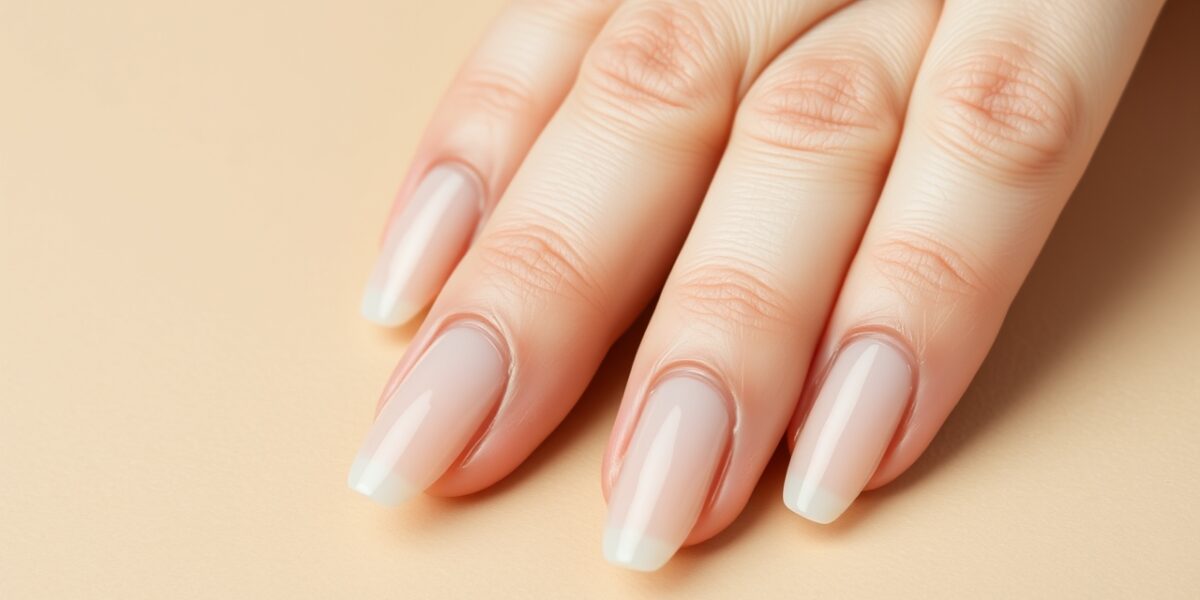
When you grow your nails out, the skin that hugs the nail plate becomes the first line of defense against the daily grind. The best cuticle care for long nails is less about a fancy polish and more about a disciplined routine that keeps the cuticle hydrated, flexible, and intact.

Why Cuticle Health Matters for Nail Length
Cuticles are not the dead skin you see in a quick Instagram photo; they are a living, protective membrane that seals the matrix—the growth zone—against bacteria, fungi, and mechanical stress. When the cuticle dries and cracks, the matrix is exposed, and a simple scrape can trigger an infection that stalls growth or leaves ridges and discoloration.
Long nailsae are especially vulnerable because the sheer length turns the nail into a lever. Each tug or bump at the tip transfers force back to the cuticle area, increasing the risk of micro‑tears that can evolve into hangnails or even split the nail plate.


The Essential Cuticle Care Routine
Consistency turns a good routine into a long‑term habit. Think of it as a three‑tier system: daily hydration, weekly maintenance, and monthly shaping.
Daily Hydration Habits
- Morning: Right after you wash your hands, apply 3–4 drops of a high‑quality cuticle oil—jojoba, almond, or rosehip—to each finger. Massage in circular motions for 30 seconds; the oil should seep into the eponychium and the skin beneath.
- Mid‑Day: When you’re in a dry office or a heated kitchen, use a single drop of oil on the fingertips. The quick touch keeps the skin from shrinking around the nail.
- Evening: Before bed, apply a generous layer of oil followed by a thick cream like Neutrogena Norwegian Formula or a silicone‑based hand balm. Let it sit overnight; the occlusive barrier traps moisture and allows the cuticle to recover.
Keep three bottles: one in your desk drawer, one beside your bed, and one in your tote. The more accessible the oil, the more likely you’ll remember to use it.
Weekly Maintenance Steps
Choose a weekday that’s free of heavy hand work—Sunday evenings or Thursday afternoons work well for most people. Here’s a step‑by‑step:
- Soak: Fill a bowl with warm water and add a tablespoon of gentle dish soap or a few drops of a cuticle soak solution. Let your hands sit for 5–7 minutes. The heat softens keratin, making the cuticle pliable.
- Clean: Gently scrub the nail bed with a soft microfiber cloth or a soft‑bristle brush. This removes buildup without abrading the skin.
- Push Back: Use a glass or metal cuticle pusher—avoid wooden sticks because they can splinter. Push in the direction of growth, never against it. A small amount of oil or a cuticle gel helps the pusher glide smoothly.
- Trim: If a piece of dead skin has lifted, use precision nippers with a beveled tip to clip only the translucent portion. Never cut the living skin that still covers the matrix.
- Finish: Apply a light layer of cuticle oil to seal the skin and a hand cream to lock in moisture.
How to Prevent Hangnails Effectively
Hangnails are the visible symptom of a dehydrated cuticle. The root cause is often environmental—dry air, cold weather, or repeated exposure to water and detergents. Here’s how to stop them before they start:
- Glove Up: When washing dishes, cleaning, or handling chemicals, wear nitrile gloves. Avoid cotton, which traps moisture and can make the cuticle soggy and then brittle.
- Moisture Barrier: Apply a thin layer of cuticle oil before you start chores. The oil forms a protective film that resists water penetration.
- Pick, Don’t Pull: If you see a small flap of skin lifting, do not yank it. Instead, use a sterilized nipper to trim the dead tissue. Pulling creates a tear that invites infection.
- Keep It Clean: After a long day, rinse your hands with lukewarm water and pat dry. Avoid harsh soaps that strip natural oils.
Advanced Tips for Long Nail Maintenance
When nails reach 3–4 inches, they become more than a cosmetic statement; they’re a functional tool. The increased leverage means any pressure at the tip can ripple back to the cuticle area. To counteract this, add a few extra steps to your routine:
- Massage: Two minutes each night, use a small, round brush or your fingertips to massage the oil into the cuticle base. This stimulates micro‑circulation, delivering nutrients to the matrix.
- Strengthen the Nail Bed: Apply a protein‑rich polish or a strengthening base coat that contains keratin or biotin. These ingredients reinforce the nail plate, reducing the chance of splits.
- Ventilate Your Nails: If you wear acrylic or gel, give your natural nail a break every 4–6 weeks. Remove the enhancement, let the nail rest, and then reapply. This prevents the synthetic layer from pulling away and exposing the natural nail.
- Monitor Color Changes: A sudden yellowing or gray tint may signal fungal growth. If you notice discoloration, consult a dermatologist and consider antifungal treatments.
Common Mistakes to Avoid
Even the best routine can be undermined by simple errors:
- Over‑trimming: Many people chase the “gap” look by cutting the living skin. This exposes the matrix and invites inflammation. Keep the cuticle intact and only trim dead tissue.
- Relying on lotions: Lotions evaporate quickly and leave a thin film. Oils, especially those with jojoba or almond, permeate the skin and lock in moisture.
- Using harsh tools: Metal scrapers or stiff brushes can create micro‑tears. Opt for a gentle microfiber cloth or a soft‑bristle brush.
- Neglecting gloves: Repeated exposure to water and cleaning chemicals dries the cuticle. Gloves are a simple, effective barrier.
- Ignoring nutrition: Water intake and a diet rich in omega‑3 fatty acids, vitamin E, and biotin support healthy skin and nails from the inside out.
Choosing the Right Tools
Quality tools make a noticeable difference. Below is a quick reference for the essentials:
- Glass Cuticle Pusher: Hypoallergenic, provides a smooth edge, and is easy to sterilize.
- Precision Nippers: Look for a thin, sharp blade with a beveled tip. Dull nippers chew rather than cut.
- Pure Oils: Jojoba, almond, or rosehip oil. Avoid oils with heavy fragrances or synthetic additives.
- Microfiber Cloths: Soft enough to exfoliate without scratching.
- Hydrating Creams: For overnight use, choose a thick, occlusive formula like Neutrogena Norwegian Formula or a silicone‑based hand balm.
For a deeper dive into the biology of nails, check out Wikipedia—the page explains how the matrix, nail bed, and eponychium work together.
Integrating Care into Your Lifestyle
Long nails are a marathon, not a sprint. Embed your cuticle routine into existing habits to keep it from feeling like a chore.
- Email Check: Apply a drop of cuticle oil every time you open your inbox.
- After Brushing Teeth: While you rinse, dab a bit of oil on your fingertips.
- Pre‑Workout: If you lift weights or do yoga, apply a thin layer of oil to protect the cuticle from friction.
Hydration starts inside. Aim for 2–3 liters of water daily and incorporate omega‑3 sources—salmon, walnuts, chia seeds—into your meals. A balanced diet reinforces the skin barrier and supports nail growth.
For more professional advice on nail shapes, growth hacks, and product reviews, visit NailsPalist—their guides are a treasure trove for anyone serious about long, healthy nails.
Summary Checklist for Long Nail Success
- Do I apply cuticle oil at least 3 times daily?
- Do I gently push back my cuticles once a week after soaking?
- Do I trim only dead, hanging skin with precision nippers?
- Do I wear gloves during chores that involve water or chemicals?
- Do I massage the nail matrix nightly to boost circulation?
- Do I monitor for color changes or fungal signs?
Frequently Asked Questions
What is the best cuticle care for long nails?
The optimal routine blends daily oil application, weekly gentle pushing and trimming, and monthly shaping. It keeps the cuticle hydrated, flexible, and intact—preventing hangnails, infections, and uneven growth.
How often should I apply cuticle oil?
For maximum protection, apply oil 3–5 times a day—morning, midday, evening, and whenever your hands feel dry. The more frequent the application, the less likely the cuticle will shrink and crack.
Can I cut my cuticles to make my nails look longer?
Cutting the living skin is discouraged. It exposes the matrix and can lead to inflammation or ridges. Instead, push back the dead tissue with a glass pusher and trim only the translucent portion with precision nippers.
How do I stop hangnails from coming back?
Maintain consistent hydration, wear gloves during wet chores, and avoid picking or biting. If a hangnail appears, trim the dead skin with nippers rather than pulling.
Does cuticle oil actually make nails grow faster?
Oil doesn’t speed the biological growth rate, but it prevents brittleness and splits. A hydrated cuticle and nail plate allow the nail to reach its maximum length safely without breaking.
Leave a Reply