
When it comes to nail health, many people overlook the early warning signs of infection. A seemingly harmless discoloration or a slight thickening can mask a deeper problem that, if left untreated, may lead to pain, swelling, or even systemic complications. This guide dives deep into the signs of a nail infection, explains how to distinguish between fungal, bacterial, and viral causes, and offers a step‑by‑step routine for prevention and care.
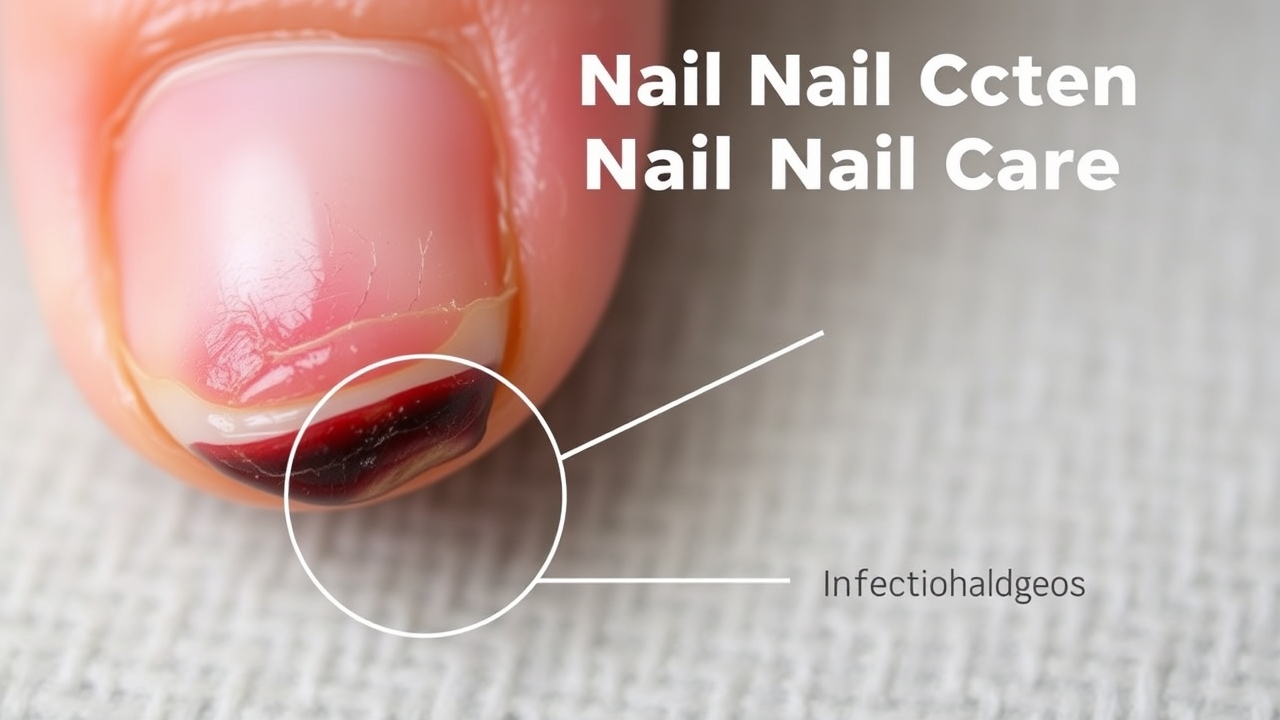
Understanding the Types of Nail Infections
Before you can spot the signs of a nail infection, it helps to know the main culprits:
- Fungal (Onychomycosis) – the most common, especially in toenails. It thrives in warm, damp environments.
- Bacterial (Paronychia) – often starts at the cuticle or nail fold, especially after trauma.
- Viral (Herpes Simplex or HPV) – causes painful blisters or warts that can spread to nails.
- Parasitic (Tinea Unguium) – a fungal infection that can affect both nails and skin.
Each type presents subtly different symptoms, but many overlap. Recognizing the underlying cause is essential for choosing the right treatment.


Common Nail Infection Symptoms to Watch For
Below are the most frequent indicators that your nails might be couponed by an infection. Pay close attention to any of these:
- Discoloration – Yellow, brown, or white patches that expand from the cuticle toward the tip.
- Thickening – Nails that grow slower and become noticeably thicker.
- Texture changes – Brittle, crumbly, or ragged edges; the nail may feel rough to the touch.
- Odor – A persistent foul smell after washing, often linked to bacterial overgrowth.
- Pain or tenderness – Unexplained discomfort, especially when pressure is applied.
- Separation from the nail bed – The nail lifts away from the skin, creating a gap.
- Redness or swelling around the nail fold – A sign of inflammation.
- Loss of shine and translucency – Nails that look dull and opaque.
Why These Signs Often Go Unnoticed
Many people attribute these changes to aging, genetics, or cosmetic choices. However, ignoring them can allow the infection to spread, causing more severe problems such as:
- Secondary bacterial infections that lead to cellulitis.
- Painful ulcerations that may require surgical debridement.
- Systemic spread in immunocompromised patients.
When to Seek Professional Help: Understanding When to See a Doctor Nails
Home remedies can provide relief for mild cases, but persistent or worsening symptoms demand medical evaluation. Consider scheduling an appointment if:
- Discoloration spreads rapidly or involves multiple nails.
- Pain escalates, especially after minor trauma.
- The nail detaches completely or causes swelling in the surrounding skin.
- You have a compromised immune system or chronic conditions like diabetes.
- Over‑the‑counter treatments fail after 4–6 weeks of consistent use.
- You notice new blisters, warts, or a sudden increase in itchiness.
Dermatologists or podiatrists can confirm the diagnosis through microscopic examination, culture tests, or dermoscopy, ensuring you receive targeted therapy.
Infected Nail Care: Practical Steps to Manage and Treat
Once you suspect an infection, adopt these evidence‑based practices to support healing and prevent spread:
- Keep nails trimmed and filed – Shorter nails reduce surface area for colonization and irritation.
- Maintain dryness – Moist environments foster fungal growth; use breathable footwear and change socks daily.
- Use antifungal or antibacterial products – Over‑the‑counter creams or solutions can be effective for mild cases. For fungal infections, topical terbinafine or ciclopirox nail lacquer are common first‑line options.
- Practice good hygiene – Wash hands thoroughly and avoid sharing nail tools.
- Monitor progress – Document changes with photos; this helps track improvement and informs healthcare providers.
- Apply a protective barrier – Use a thin layer of petroleum jelly on the nail bed to keep moisture out.
These steps not only treat the infection but also prevent recurrence and protect the surrounding skin.
Step‑by‑Step Nail Hygiene Routine
Follow this routine daily to keep nails healthy and minimize infection risk:
- Wash hands and feet with mild soap – Scrub for at least 20 seconds.
- Dry thoroughly – Use a clean towel; pay special attention to the spaces between toes.
- Trim nails straight across – Avoid cutting too short; this reduces the chance of ingrown nails.
- File edges gently – Use a fine-grit file; file in one direction.
- Apply antifungal cream if needed – Focus on the nail bed and surrounding skin.
- Replace socks and shoes daily – Opt for moisture‑wicking fabrics.
Exploring Nail Fungus Signs: A Deep Dive into Fungal Infections
Fungal infections are the most common type of nail infection, especially in athletes or individuals who frequently expose their feet to damp environments. Recognizing nail fungus signs early can save you from prolonged discomfort and potential spread to other nails.
- White or yellow patches that appear near the cuticle.
- Thickened nails that resist normal nail clippers.
- Rough, sandpaper‑like texture.
- Loss of nail shine and natural translucency.
Visit Wikipedia for a comprehensive overview of nail fungus, its causes, and treatment options.
Managing Pain and Discomfort
Even mild infections can cause significant discomfort. Here are strategies to alleviate pain while the infection resolves:
- Use over‑the‑counter analgesics like ibuprofen or acetaminophen.
- Apply a cold compress to reduce swelling.
- Elevate the affected limb to cut down on blood flow to the area.
- Wear comfortable footwear that doesn’t press on the nail.
- Consider topical numbing agents if pain is severe.
When to Consider Surgical Intervention
In rare cases, especially with severe fungal infections or paronychia that do not respond to medication, minor surgical procedures may be necessary:
- Debridement – Removal of dead nail tissue to allow medication penetration.
- Partial or total nail avulsion – Removal of the entire nail for severe cases.
- Incision and drainage – For abscesses caused by bacterial infections.
These procedures are typically performed under local anesthesia in a clinical setting.
Long-Term Prevention Strategies
Prevention is always preferable to cure. Here are lifestyle adjustments that reduce the risk of developing a nail infection:
- Wear moisture‑wicking socks and breathable shoes.
- Avoid walking barefoot in communal showers or locker rooms.
- Keep nails clean and dry after bathing.
- Use protective gloves when handling household detergents or cleaning agents.
- Schedule regular nail health check‑ups, especially if you’re prone to infections.
- Maintain a balanced diet rich in vitamins that support nail health, such as biotin, vitamin E, and omega‑3 fatty acids.
- Limit the use of harsh nail polish removers that contain acetone.
- Ensure proper nail trimming techniques to avoid micro‑trauma.
Adopting these habits can significantly lower the chances of encountering the signs of a nail infection.
Myth‑Busting Nail Infection Facts
- Myth: Nail infections only affect the nails.
- Fact: They can spread to the skin and, in severe cases, enter the bloodstream.
- Myth: A quick cure is always possible with home remedies.
- Fact: Many infections require prescription medication or professional care.
- Myth: Nail polish protects against infections.
- Fact: Nail polish can trap moisture and actually create a conducive environment for fungi.
Frequently Asked Questions
- What are the signs of a nail infection?
- Signs include discoloration, thickening, texture changes, odor, pain, and separation from the nail bed.
- When should I see a doctor for my nails?
- Seek professional care if symptoms worsen, spread, or if you have a compromised immune system.
- Can I treat a nail infection at home?
- For mild cases, over‑the‑counter antifungal or antibacterial products may help; persistent cases require medical evaluation.
- What are common nail fungus signs?
- White or yellow patches, thickening, rough texture, and loss of shine are typical indicators.
- How can I prevent nail infections?
- Maintain dryness, wear breathable footwear, avoid communal showers, and practice good hygiene.
- Is it safe to use over‑the‑counter antifungal creams for long periods?
- Short‑term use is generally safe, but prolonged use can lead to skin irritation; always follow the product instructions and consult a clinician if symptoms persist.
- Can nail infections spread to other parts of the body?
- Yes, especially in people with diabetes or weakened immune systems. Early treatment reduces this risk.
For more insights on nail health, consult our nail care guide and stay informed about the latest trends in professional nail care.
Leave a Reply