Introduction
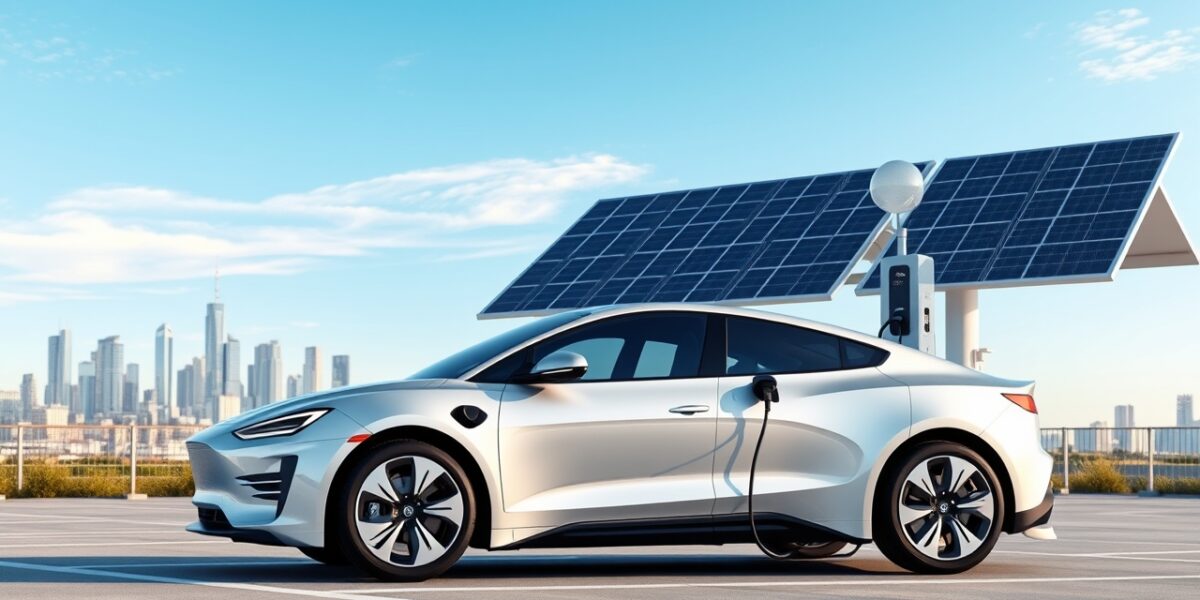
For decades the automotive industry has been dominated by internal combustion engines, a technology that has powered the world’s roads for over a century. Yet in recent years a quiet revolution has taken hold, led by the rise of electric vehicles, or EVs. From compact city cars to high‑performance sports models, electric drivetrains are becoming a mainstream choice for consumers, manufacturers, and governments alike. This article explores the forces driving the EV boom, the environmental and economic implications, and the hurdles that remain as the industry moves toward a cleaner, more sustainable future.
Technological Breakthroughs Driving EV Adoption
At the heart of the EV surge lies a series of technological advancements that have dramatically improved performance, range, and affordability. Battery chemistry, in particular, has seen a meteoric rise in energy density, thanks to innovations such as lithium‑ion and solid‑state technologies. Modern batteries now deliver between 200 and 300 miles of range on a single charge, a figure that rivals many gasoline‑powered vehicles in terms of practicality.
Beyond batteries, power electronics have become more efficient. Inverter designs that convert DC from the battery to AC for the motor have reduced losses, allowing motors to operate at higher efficiencies while keeping heat output manageable. This efficiency translates directly into lower operating costs and longer lifespans for drivetrain components.



Software integration has also played a pivotal role. Advanced energy‑management systems predict driving patterns, optimize regenerative braking, and provide real‑time diagnostics. Coupled with over‑the‑air updates, drivers can experience performance improvements without visiting a dealership, creating a level of convenience previously reserved for smartphones.
Environmental Benefits and Climate Impact
Electric vehicles offer a compelling environmental narrative. By eliminating tail‑pipe emissions, EVs reduce air pollutants such as nitrogen oxides and particulate matter, directly improving urban air quality. The shift to electric propulsion also aligns with global commitments to reduce greenhouse gas emissions. According to the International Energy Agency, a fully electric fleet could cut CO₂ emissions by up to 70 percent compared to conventional vehicles.
However, the environmental benefits depend heavily on the electricity mix. In regions where the grid relies on coal or natural gas, the net emissions reduction is smaller. Conversely, in areas powered by renewables—solar, wind, hydro—the lifecycle emissions of EVs can be dramatically lower. Policymakers are increasingly addressing this by incentivizing renewable energy adoption alongside EV subsidies.
Battery recycling and second‑life applications are emerging as critical components of a sustainable EV ecosystem. Technologies that recover lithium, cobalt, and nickel from spent batteries reduce the need for mining and lower the environmental footprint of new battery production. Additionally, retired EV batteries are being repurposed for stationary energy storage, helping to smooth grid fluctuations and support renewable integration.
Market Trends and Consumer Adoption
The market for electric vehicles has grown at an unprecedented rate. In 2023, global EV sales surpassed 10 million units, a 50 percent increase from the previous year. The United States, China, and the European Union remain the largest markets, with China accounting for more than half of worldwide sales.
Consumer attitudes have shifted markedly. A growing segment of buyers prioritizes sustainability, cost savings, and technological features when selecting a vehicle. Surveys indicate that 70 percent of EV owners report higher satisfaction with their cars compared to their previous gasoline models, citing lower maintenance costs and smoother driving experiences.
Automotive manufacturers are responding with aggressive product roadmaps. Companies such as Tesla, Volkswagen, Hyundai, and Ford have announced plans to electrify large portions of their lineups within the next decade. The introduction of affordable, mass‑produced EVs—like the Nissan Leaf, Chevy Bolt, and Hyundai Kona Electric—has broadened the market beyond premium segments, making electric mobility accessible to a wider demographic.
Infrastructure and Charging Networks
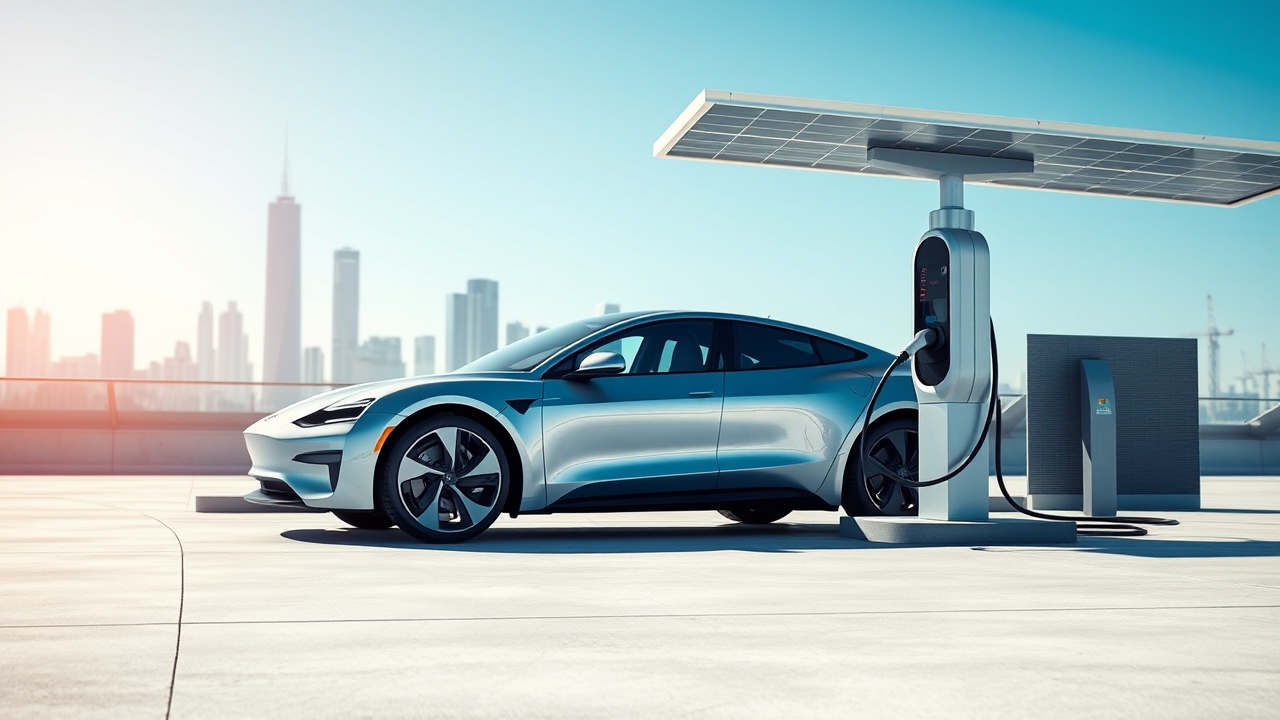
Charging infrastructure remains a critical factor in EV adoption. While home charging is common in suburban and rural areas, public charging networks are essential for long‑haul travel and urban dwellers. Fast‑charging stations, capable of delivering 80 percent charge in 20 minutes, have proliferated along highways and in city centers.
Government initiatives have accelerated infrastructure deployment. In the United States, the Bipartisan Infrastructure Law allocates billions for charging stations, aiming to install 500,000 new chargers across the country by 2030. The European Union’s Green Deal includes a target of 1.5 million public charging points by 2025, while China’s “New Energy Vehicle” policy mandates extensive charging networks in new urban developments.
Standardization of connectors and communication protocols has also eased the user experience. The adoption of the Combined Charging System (CCS) and the CHAdeMO standard ensures interoperability across manufacturers, allowing drivers to access a wide array of charging stations without compatibility concerns.
Challenges and Roadblocks
Despite the momentum, several challenges persist. The most pressing is battery cost. While prices have fallen from $1,000 per kWh in 2010 to around $150 per kWh today, further reductions are needed to make EVs truly cost‑competitive with internal combustion vehicles. Economies of scale, improved raw material sourcing, and advances in solid‑state chemistry are expected to drive prices down further.
Another hurdle is range anxiety. Although modern EVs can travel 200 to 300 miles on a single charge, many consumers still worry about the availability of charging stations, especially in rural areas. Expanding the charging network and improving battery technology will be essential to alleviate these concerns.
Supply chain constraints, particularly for critical minerals like cobalt and lithium, pose risks to production timelines. Geopolitical tensions and environmental regulations can disrupt supply, leading to price volatility. Diversifying supply sources and investing in recycling technologies are strategies being pursued to mitigate these risks.
Finally, the transition to electric mobility requires significant changes to the automotive workforce. Skilled labor for battery manufacturing, electric drivetrain assembly, and software development will be in high demand, while traditional engine manufacturing roles may decline. Workforce retraining programs and educational initiatives are vital to ensure a smooth transition.
The Future of Electric Mobility
Looking ahead, the electric vehicle landscape is poised for transformative growth. Several emerging trends are likely to shape the next decade:
- Solid‑State Batteries: Offering higher energy density, faster charging, and improved safety, solid‑state batteries could become mainstream by the mid‑2030s, extending range beyond 500 miles on a single charge.
- Vehicle‑to‑Grid (V2G) Integration: EVs will serve as distributed energy storage, feeding excess power back into the grid during peak demand, thereby enhancing grid stability and providing additional revenue streams for owners.
- Autonomous Driving: The convergence of EVs and autonomous technology promises to revolutionize transportation, reducing congestion, and further lowering emissions.
- Circular Economy Models: Closed‑loop battery recycling and second‑life applications will become integral to sustainable vehicle manufacturing, reducing the environmental footprint of each vehicle over its lifecycle.
- Global Policy Alignment: International agreements, such as the Paris Climate Accord, will continue to drive regulatory frameworks that favor EV adoption, including stricter emissions standards and incentives for low‑carbon vehicles.
These developments will not only accelerate the shift to electric mobility but also reshape the broader automotive ecosystem, influencing everything from supply chains to urban planning.
Conclusion
The rise of electric vehicles represents a watershed moment for the automotive industry and society at large. Technological breakthroughs have made EVs more capable and affordable, while environmental imperatives and consumer preferences are accelerating adoption. Infrastructure expansion, policy support, and continued innovation will be crucial to overcoming remaining challenges.
As we move toward a future where electric mobility is the norm rather than the exception, stakeholders across the spectrum—from manufacturers and policymakers to consumers and researchers—must collaborate to build resilient supply chains, develop sustainable battery solutions, and create inclusive charging networks. The journey is complex, but the potential rewards—cleaner air, reduced dependence on fossil fuels, and a more sustainable transportation system—are well worth the effort.
For further reading, see related references on Wikipedia.
Leave a Reply