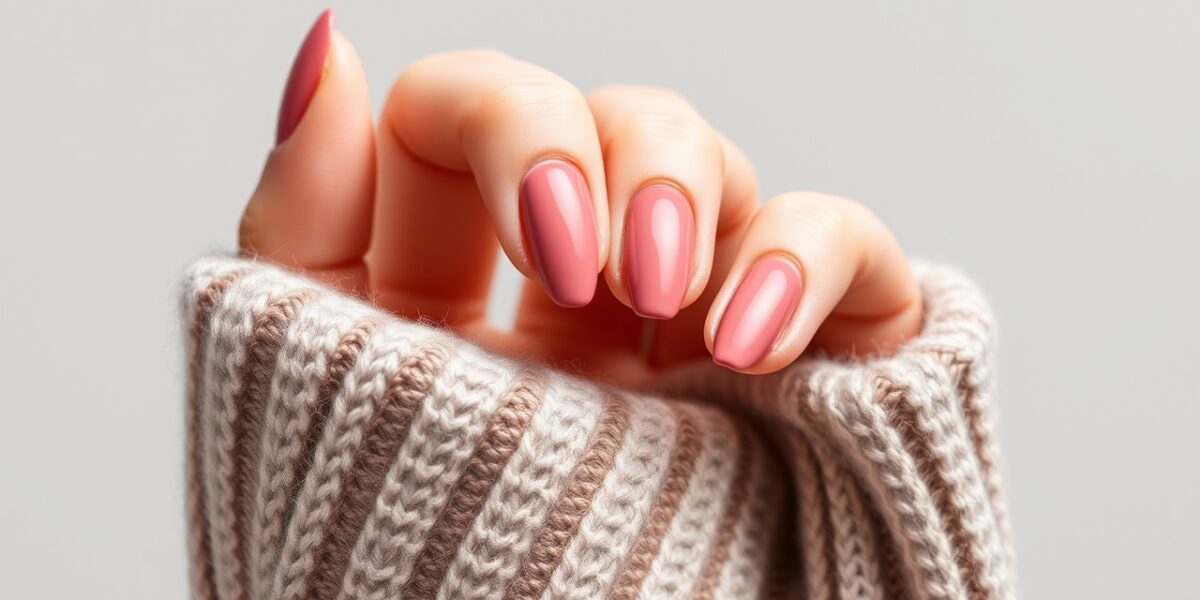
Gel extensions vs acrylics are the most common debate among nail enthusiasts and salon professionals. Both methods promise longer, stronger nails, yet they differ-star in texture, application, and maintenance.
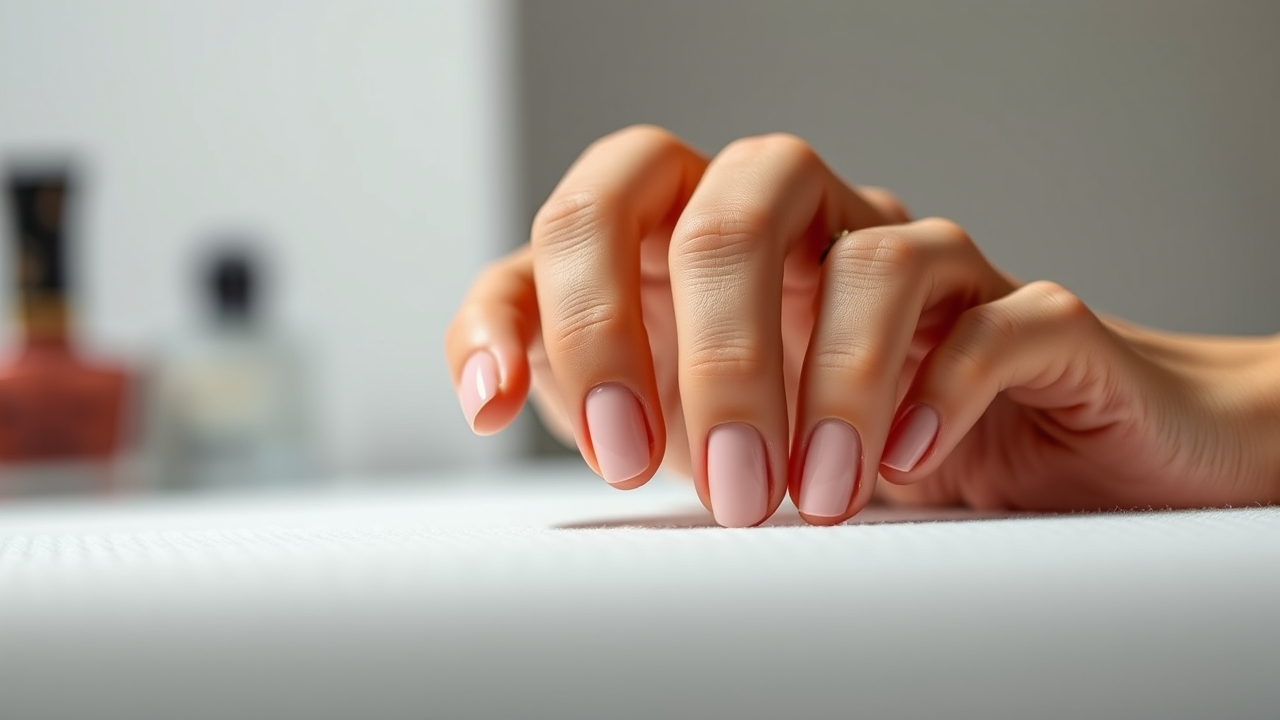
Gel Extensions vs Acrylics: Which Is Better for Your Nails?
When you compare these two popular types of nail extensions, the decision hinges on how you value flexibility, longevity, and the health of your natural nails. Below, I break down each factor so you can decide which method best suits your goals.
What Are Gel Extensions?
Gel extensions are created by layering a thin, clear gel over your natural nail. The gel is cured under a UV or LED lamp, hardening it into a lightweight yet durable shell. Because the gel remains flexible, it can absorb everyday stress without cracking. The finish is glossy and resembles a freshly painted nail, giving you a smooth, high‑gloss look that lasts for weeks.


What Are Acrylics?
Acrylics are formed by mixing a liquid monomer with a powder polymer to create a paste. The paste is applied over the nail and then shaped. Unlike gel, acrylic hardens at room temperature, forming a rigid, almost stone‑like structure. Acrylics are prized for their strength and versatility, especially for thick or short natural nails.
Gel X vs Acrylic: A Quick Comparison
- Flexibility: Gel stays flexible; acrylic is rigid.
- Finish: Gel offers a high‑gloss, natural look; acrylic can be matte or high‑gloss.
- Durability: Acrylic can last longer on fragile nails; gel may chip faster on high‑impact activities.
- Removal: Gel is soaked in acetone; acrylic requires filing and soaking.
- Health: Both can weaken natural nails if overused; proper technique minimizes damage.
Builder Gel: A Hybrid Option
Builder gel sits between traditional gel and acrylic. It uses a thicker gel formula that hardens under a lamp recruiter, giving the strength of acrylic with the flexibility of gel. Many salons now offer builder gel for clients who want the durability of acrylic without the rigidity.
Durability & Longevity
When you look at how long each extension can last, you’ll notice that acrylics often outshine gel in alliable environments. Acrylics can endure up to 4–6 weeks on average, especially when the natural nail is weak. Gel extensions usually last 2–3 weeks before they start to feel brittle. However, if you apply a fresh coat of top‑coat, gel can stay glossy for an extra week.
Appearance & Finish
Gel extensions are known for their ultra‑smooth, high‑gloss finish that mimics a freshly painted nail. Acrylics can be finished with a matte or satin top‑coat, giving a more… set of patterns. If you want a natural look that can be easily changed with a new polish, gel is the go‑to choice.
Application Process
Both gel and acrylic require a skilled technician, but the steps differ.
- Gel: Nail is prepped, a thin layer of gel is applied, and the nail is cured under a lamp. This process is repeated until the desired length is achieved.
- Acrylic: A liquid monomer and powder polymer are mixed to create a paste, which is then applied and shaped. The paste hardens at room temperature, so the technician must work quickly.
Removal & Maintenance
Removal for both types involves soaking the nails in acetone. Acrylics may also need filing to break the bond. Regular maintenance includes reapplying a top‑coat to prevent chipping and keeping the cuticles moisturized.
Health Considerations
Both gel and acrylic can compromise natural nails if overused. Long periods of exposure to acetone, frequent filing, or incorrect application can lead to brittleness. It is essential to give your natural nails a break every 4–6 weeks.
Which Is Better Nails? Factors to Consider
When deciding which extension is better for your nails, consider these factors:
- Natural Nail Strength: Fragile nails often benefit from acrylic’s strength.
- Activity Level: High‑impact sports may favor acrylic for its durability.
- Desired Finish: For a glossy, natural look, gel is ideal.
- Time Constraints: Gel application is quicker due to the curing process.
- Budget: Acrylics can be slightly cheaper per application.
Trending Nail Extension Types for 2026
In the current salon scene, the following trends are prominent:
- Minimalist Gel: Thin, almost invisible gel extensions that add length without bulk.
- Hybrid Acrylics: Acrylics shaped to mimic natural nail curves for a seamless look.
- Builder Gel Sculptures: Sculpted designs using builder gel for artistic understand.
- Eco‑friendly Formulas: Low‑VOC gel and acrylics made with recycled materials.
When to Choose Gel Extensions
If you enjoy changing your nail color frequently, have a moderate lifestyle, and want a lightweight, glossy finish, gel extensions are the best choice. They also work well for clients who want a natural look with a little extra length.
When to Choose Acrylics
Acrylics are preferable for those with short or weak natural nails, or for clients who need nails that can handle heavy daily use. The rigid structure offers superior protection against breakage.
Step‑by‑Step: Applying Gel Extensions
- Prep the nail by cleaning and buffing.
- Apply a base coat and cure under a UV lamp.
- Apply a thin layer of gel and cure.
- Repeat until the desired length is achieved.
- Apply a top coat and cure.
- Finish with cuticle oil.
Step‑by‑Step: Applying Acrylics
- Prep the nail by cleaning and buffing.
- Apply a primer to help adhesion.
- Mix monomer and powder to create a paste.
- Apply the paste to the nail and shape.
- Let the paste harden for 5–10 minutes.
- File and buff to the desired shape.
- Apply a top coat for shine and protection.
Common Myths About Gel and Acrylic Nails
- Myth 1: Gel nails are always safer. Reality: Both can damage natural nails if not applied correctly.
- Myth 2: Acrylic nails are always stronger. Reality: Gel can hold up well with proper care.
- Myth 3: Gel is easier to maintain. Reality: Acrylic may require less frequent top‑coat touch‑ups.
Professional Tips for Long‑Lasting Extensions
- Always use a high‑quality base coat to protect the natural nail.
- Keep the cuticles moisturized to prevent lifting.
- Schedule a maintenance visit every 3–4 weeks.
- Avoid harsh chemicals and give your nails a break.
- Apply a clear top‑coat at each visit to seal the finish.
Choosing the Right Salon
When selecting a salon, look for technicians who specialize in the specific extension type you want. Ask about their training, the products they use, and how they handle removal. A reputable salon will explain the process and set realistic expectations.
Frequently Asked Questions
- Gel extensions vs acrylics: Which is better for everyday wear? Gel extensions are lighter and give a natural look, while acrylics are more durable for high‑impact activities.
- How long do gel extensions last compared to acrylics? Gel typically lasts 2–3 weeks, while acrylics can endure 4–6 weeks with proper care.
- Can I apply gel extensions at home? While DIY kits exist, it’s risky without proper training; professional application is recommended.
- What should I avoid to keep my natural nails healthy? Avoid prolonged acetone exposure, over-filing, and skipping cuticle care.
- Is it possible to combine gel and acrylic for a hybrid style? Yes, many salons offer hybrid builds that use acrylic for structure and gel for finish.
For more nail inspiration and trend updates, visit our blog. For detailed technical information, see the gel nail Wikipedia entry.
Historical Evolution of Nail Extensions
Understanding the roots of gel and acrylic extensions helps you appreciate why each technique has evolved the way it has. Nail extensions began in the 1970s when artists experimented with acrylic powders to create longer, stronger nails. The first acrylic kits were hand‑mixed, leading to inconsistent results and a learning curve for technicians.
In the early 2000s, gel technology burst onto the scene, offering a more flexible alternative that cured under UV light. The breakthrough was the introduction of polymer-based gels that could be layered without the heavy feel of acrylic. Over the past decade, both materials have seen significant refinements: lower VOC formulas, lighter weights, and more eco‑friendly options.
Key Milestones
- 1970s: First commercial acrylic kits.
- 1995: Introduction of UV‑curable gel primers.
- 2005: Launch of builder gel, blending the best of both worlds.
- 2015: Low‑VOC gel formulas gain popularity.
- 2024: Smart‑lamp systems that adjust curing time based on nail thickness.
Cost Breakdown & Value for Money
Price is a decisive factor for many clients. While the upfront cost of acrylics may be slightly lower, the long‑term value depends on how often you need touch‑ups and the lifespan of each extension.
Typical Pricing (per hand)
- Acrylics: $30–$45 for a full set; $5–$10 for a touch‑up.
- Gel Extensions: $35–$55 for a full set; $8–$12 for a touch‑up.
- Builder Gel: $40–$60 for a full set; $10–$15 for a touch‑up.
When you factor in the durability and maintenance frequency, many find acrylics offer better value for high‑impact lifestyles, while gel suits clients who prefer frequent color changes.
Nail Health: Do’s and Don’ts
Maintaining healthy nails is paramount, regardless of the extension type. Here’s a quick cheat sheet:
- Do: Keep cuticles moisturized; use a gentle buffer; schedule a 4‑week break between sets.
- Don’t: Over‑file the natural nail; expose nails to harsh chemicals for prolonged periods; skip regular top‑coat applications.
Choosing the Right Nail Shape
The shape of your natural nail influences the type of extension that will look best. Common shapes include:
- Square: Ideal for acrylics; provides a sturdy base.
- Round: Works well with gel; offers a natural silhouette.
- Stiletto: Requires a strong base; acrylics are often preferred.
- Butterfly: A blend; both options can work with proper shaping.
Color and Design Ideas
One of the joys of nail extensions is the creative freedom they offer. Here are some design trends for 2026:
- Matte Monochrome: Matte top‑coats on a single color create a modern look.
- Gradient Ombre: Seamless color transition from base to tip.
- Geometric Patterns: Sharp lines and shapes for a minimalist aesthetic.
- 3D Sculptures: Small gems or sculpted accents using builder gel.
Maintenance at Home
Even with professional care, you’ll need to perform some upkeep at home. Here’s a quick routine:
- Daily: Apply cuticle oil and moisturize the nails.
- Weekly: Gently buff the surface to remove shine and prepare for the next top‑coat.
- Every 2–3 weeks: Reapply a clear top‑coat if you notice dullness.
- Before removal: Soak nails in acetone for 5–10 minutes to soften the gel or acrylic.
Professional vs DIY
While DIY kits are tempting, professional application offers several advantages:
- Precision in shape and length.
- Proper curing to avoid weak spots.
- Safe removal without damaging the natural nail.
- Access to high‑quality products that may be hard to find at home.
DIY is best suited for simple polish changes or minor touch‑ups, not full extensions.
Seasonal Considerations
Seasonal changes affect nail health and extension performance:
- Winter: Low humidity can cause brittleness; use a thicker base coat and keep nails moisturized.
- Summer: UV exposure can weaken acrylics; consider a UV‑blocking top‑coat.
- Spring/Fall: Ideal times for a fresh set; nails are recovering from seasonal stress.
Expanded Frequently Asked Questions
- What is the best way to care for gel extensions at home? Keep nails moisturized, avoid harsh chemicals, and schedule regular top‑coat checks every 2–3 weeks.
- How do I know if my natural nail is ready for extensions? A healthy, well‑buffered nail with no cracks or infections is ideal; otherwise, wait until it strengthens.
- Can I wear nail polish over gel or acrylic extensions? Yes, but use a primer to prevent lifting and always apply a top‑coat to seal.
- What are the signs that my extensions are failing? Noticeable lifting, cracks, or a dull appearance indicates it’s time for a touch‑up or removal.
- Are there eco‑friendly options for gel and acrylic? Look for low‑VOC, cruelty‑free products and salons that use recyclable materials.
For more nail inspiration and trend updates, visit our blog. For detailed technical information, see the gel nail Wikipedia entry.
Leave a Reply