
Signs of a nail infection can appear suddenly and may spread if left untreated. Because our hands and feet are constantly exposed to the environment, the nail bed is susceptible to various pathogens. While many people dismiss a slight change in nail color as a cosmetic issue, these are often the first warning bells of an underlying biological problem.
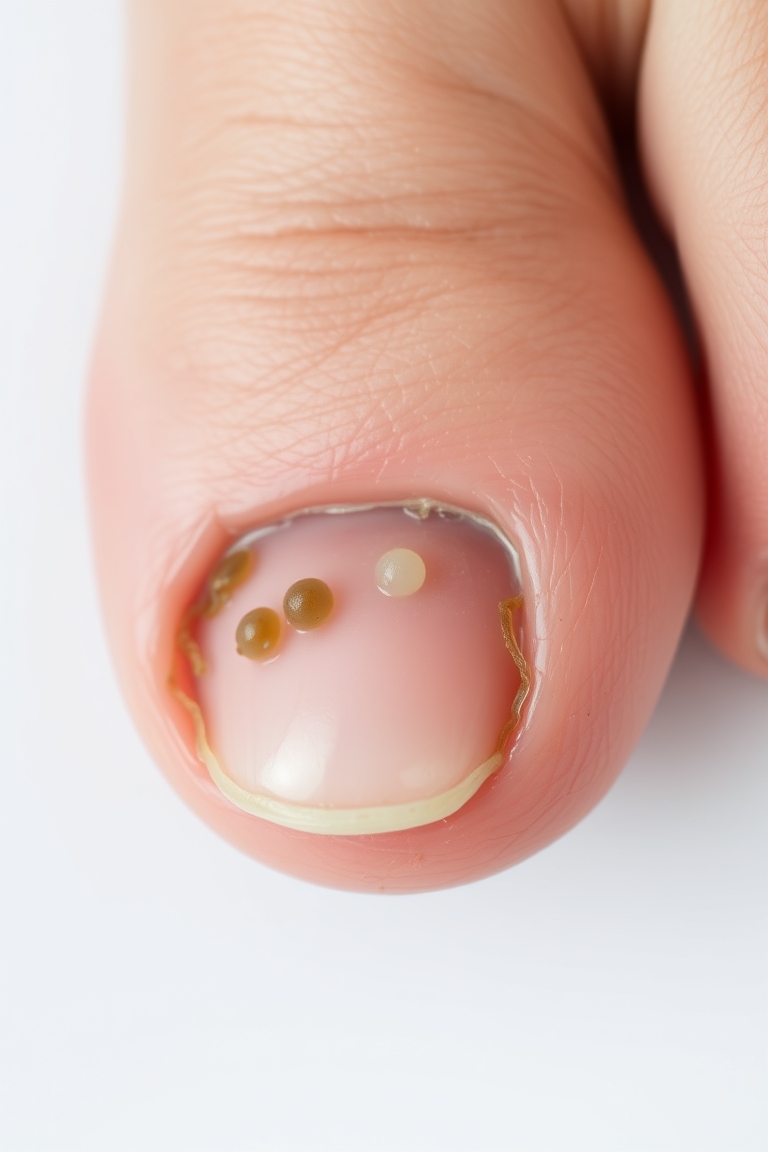
Recognizing signs of a nail infection early reduces the risk of complications, such as permanent nail deformity or systemic infections. Understanding the nuance between a simple bruise and a clinical infection is the first step toward recovery.
What Is a Nail Infection?
A nail infection occurs when microorganisms—typically fungi or bacteria—breach the protective barrier of the nail plate or the surrounding cuticle (the eponychium). Once inside, these pathogens colonize the nail bed or the nail matrix (the area where the nail grows from), leading to inflammation, tissue degradation, and structural changes to the nail.


Bacterial vs. Fungal Infections: Key Differences
It is critical to distinguish between bacterial and fungal infections, as the treatments for one can be completely ineffective for the other.
- Bacterial infections (Paronychia): These often occur acutely. They are typically caused by Staphylococcus aureus or Streptococcus entering through a hangnail, a cut from a manicure, or an ingrown nail. The hallmark of a bacterial infection is rapid onset, intense redness, warmth, and the presence of pus (abscess).
- Fungal infections (Onychomycosis): These are chronic and slow-moving. Fungi, such as dermatophytes, thrive in warm, moist environments (like sweaty shoes or damp gym floors). They digest the keratin in the nail, leading to a gradual thickening and discoloration of the plate.
Signs of a Nail Infection You Should Not Ignore
Early detection is the most effective way to prevent the need for aggressive medical interventions. If you notice any of the following, you should evaluate your nail health immediately.
Visual and Physical Nail Infection Symptoms
- Discoloration: This is often the first visible sign. Look for yellow, white, brown, or even greenish patches. A green tint often suggests a Pseudomonas bacterial infection, while yellow-brown is typical of fungi.
- Thickness and Hyperkeratosis: The nail may become abnormally thick, making it difficult to trim. This is caused by the buildup of debris under the nail plate.
- Brittleness and Crumbling: Healthy nails are flexible. An infected nail often becomes brittle, splitting easily or crumbling into a powder-like substance at the edges.
- Odor: A distinct, foul, or “cheesy” smell emanating from the nail is a strong indicator of bacterial activity or advanced fungal colonization.
- Onycholysis (Separation): This occurs when the nail plate detaches from the nail bed. This creates a pocket where more moisture and bacteria can accumulate, worsening the infection.
- Perionychium Inflammation: Redness, swelling, and tenderness in the skin surrounding the nail. If the skin feels hot to the touch, it is a sign of active inflammation.
Specific Nail Fungus Signs to Watch For
Fungal infections follow a predictable pattern of progression. Be alert for these specific stages:
- The White Spot Stage: Small, chalky white spots appear on the surface or under the nail.
- The Yellowing Stage: The spots merge, and the nail takes on a dull yellow or beige hue.
- The Thickening Stage: The nail plate lifts and thickens, often becoming opaque or cloudy.
- The Debris Stage: Subungual hyperkeratosis occurs, where a buildup of flaky skin and fungus accumulates under the nail, pushing it further away from the bed.
How to Differentiate a Nail Infection from Other Nail Problems
Not every discoloration is an infection. Many dermatological conditions mimic the signs of a nail infection, leading to incorrect self-treatment.
Common Mimics
- Nail Psoriasis: This can cause “pitting” (small dents in the nail) and a phenomenon called “oil spots” (yellow-red discoloration). Unlike a fungal infection, psoriasis usually affects the skin of the elbows or knees as well.
- Eczema/Contact Dermatitis: This typically presents as itchy, red, peeling skin around the cuticle. While it can lead to a secondary infection, the primary issue is an allergic reaction or autoimmune response.
- Subungual Hematoma (Trauma): A bruise under the nail looks like a dark purple or black spot. Unlike an infection, a bruise does not cause the nail to thicken or smell, and it generally grows out with the nail.
- Beau’s Lines: Horizontal ridges across the nail usually indicate a systemic illness or severe stress, rather than a localized infection.
Infected Nail Care: Step-by-Step Home Management
If the infection is in its earliest stages and you do not have systemic symptoms (like fever), you can implement these care steps to manage the condition and prevent spread.
1. Hygiene and Moisture Control
Pathogens love moisture. The goal of home care is to create a dry, inhospitable environment for the infection.
- Dry Thoroughly: After bathing, use a separate towel or a hair dryer on a cool setting to ensure the gaps between toes and around cuticles are completely dry.
- Breathable Fabrics: Switch to 100% cotton or moisture-wicking bamboo socks. Avoid synthetic materials that trap sweat against the skin.
- Shoe Rotation: Never wear the same pair of shoes two days in a row. Give them 24 hours to air out completely.
2. Gentle Cleansing and Maintenance
- Warm Salt Soaks: For bacterial inflammation (paronychia), soak the finger or toe in warm water mixed with Epsom salts for 15 minutes, three times a day. This helps draw out pus and reduce swelling.
- Proper Trimming: Keep nails short and trim them straight across. Avoid cutting into the corners of the nail, as this can create micro-tears that invite more bacteria.
- Avoid “Bathroom Surgery”: Never attempt to cut out an ingrown nail or pop a blister around the nail with non-sterile tools, as this often introduces deeper infections.
3. Over-the-Counter (OTC) Interventions
For mild fungal signs, OTC antifungal lacquers or creams containing clotrimazole or terbinafine may help. Ensure you clean the nail surface with rubbing alcohol before application to allow the medication to penetrate the keratin.
When to See a Doctor for Your Nails
Home care has limits. If you ignore the warning signs, a localized infection can lead to cellulitis (a deep skin infection) or permanent nail loss.
Red Flags Requiring Immediate Medical Attention:
- Spreading Redness: If the redness extends beyond the nail fold and begins to move up the finger or toe (streaking).
- Severe Pain: Throbbing pain that prevents sleep or makes walking difficult.
- Systemic Symptoms: Fever, chills, or general malaise, which suggest the infection has entered the bloodstream.
- Diabetes or Immunocompromised Status: If you have diabetes, any sign of a nail infection is a medical emergency due to the risk of diabetic foot ulcers and poor circulation.
- Lack of Progress: If OTC treatments show no improvement after two to four weeks.
Professional Treatment Options
Depending on the diagnosis, a dermatologist or podiatrist will suggest a targeted treatment plan.
Medical Interventions
- Prescription Oral Antifungals: Drugs like Terbinafine or Itraconazole are the gold standard for moderate to severe onychomycosis. They work from the inside out to replace the infected nail with a healthy one.
- High-Potency Topicals: Prescription lacquers (e.g., Efinaconazole) are used for patients who cannot tolerate oral medications due to liver concerns.
- Laser Therapy: This non-invasive option uses thermal energy to destroy the fungus within the nail plate without damaging the surrounding tissue.
- Debridement: A professional trimming where the doctor removes the thickened, infected part of the nail to reduce pressure and allow topical meds to penetrate deeper.
- Surgical Avulsion: In severe bacterial cases or chronic ingrown nails, the nail may be partially or fully removed to clear the infection entirely.
Prevention Tips to Avoid Future Nail Infections
Once you have cleared an infection, the goal is to prevent recurrence, as fungal spores can linger in your environment.
- Sanitize Your Tools: Sterilize your nail clippers and pushers with rubbing alcohol after every use. Never share tools with others.
- Protective Footwear: Always wear flip-flops or shower shoes in public gyms, locker rooms, and swimming pools.
- Avoid Harsh Chemicals: Limit exposure to strong detergents or acetone, which can strip the nail’s natural oils and create cracks.
- Moisturize the Cuticle: Use a high-quality cuticle oil to keep the skin supple. Healthy, hydrated skin is less likely to crack and allow bacteria to enter.
- Monitor Regularly: Perform a weekly “nail check” to catch discoloration the moment it appears.
FAQs About Nail Infections
- Signs of a nail infection: what should I look for? The primary signs include yellow or brown discoloration, thickening of the nail plate, a foul odor, redness and swelling of the surrounding skin, and the nail lifting away from the bed.
- Can a nail infection be cured at home? Mild fungal infections or very early bacterial inflammation can sometimes be managed with OTC antifungals and salt soaks. However, deep-seated infections usually require prescription medication to be fully eradicated.
- How long does it take for a nail fungus to show symptoms? Fungal infections are slow. You may notice a small white spot initially, but it can take several months for the nail to become fully thickened or discolored.
- What are the risks of not treating a nail infection? Untreated infections can lead to permanent nail dystrophy (deformity), the spread of fungus to other nails or the skin (athlete’s foot), and in severe cases, secondary bacterial infections like cellulitis.
- When should I consider laser treatment? Laser treatment is an excellent option for those who cannot take oral medications due to side effects or liver issues, or for those who prefer a non-drug approach for mild to moderate fungal infections.
Remember that signs of a nail infection are not always obvious, so stay vigilant. Your nails are a window into your overall health, and taking care of them is a vital part of your beauty and wellness routine.
Early detection of signs of a nail infection can save you from more invasive treatments and ensure your nails remain strong and aesthetically pleasing.
For more detailed information on nail fungus, you can refer to Wikipedia’s comprehensive guide on Onychomycosis or consult your local healthcare provider for a personalized diagnosis.
Leave a Reply