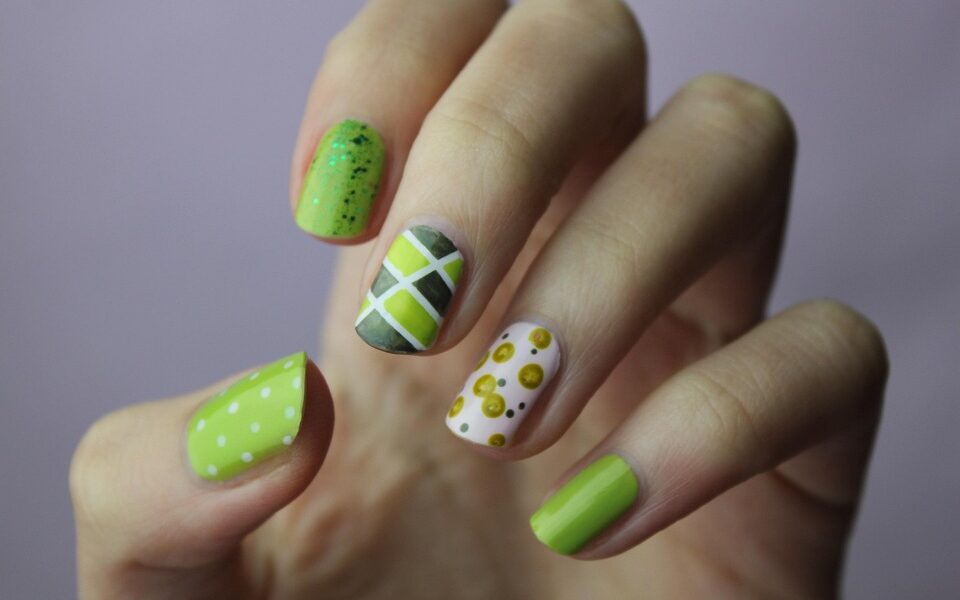
For nail salon owners and technicians, the scent of acrylic monomer and the fine mist of filing dust are often seen as “part of the job.” However, prolonged exposure to volatile organic compounds (VOCs) and airborne particulates poses significant health risks, ranging from respiratory irritation to long-term neurological effects. Providing a safe environment is no longer just a courtesy; it is a critical component of professional excellence and regulatory compliance.
A high-quality ventilation system does more than just move air around. It actively captures toxins at the source and filters the ambient air to ensure that both staff and clients breathe safely. In this guide, we evaluate the industry’s top-performing ventilation solutions, focusing on the technology that distinguishes professional-grade equipment from standard air purifiers.


Understanding the Two Pillars of Salon Ventilation
To achieve a truly healthy salon environment, experts recommend a two-tiered approach. Relying on a single open window or a standard HVAC system is rarely sufficient for the chemical load present in a busy nail studio.
1. Source Capture Ventilation
This is the most critical component. Source capture systems utilize adjustable “snorkels” or built-in table vents to pull dust and fumes away from the technician’s and client’s breathing zone the moment they are created. By capturing pollutants before they disperse into the room, these systems provide the most immediate protection.
2. Ambient Room Air Filtration
While source capture handles the immediate workspace, ambient systems clean the air in the entire room. These units are designed to cycle the air several times per hour, removing any “escaped” fumes or lingering odors that the source capture unit might have missed.
Expert Picks: The Best Nail Salon Ventilation Systems
Based on filtration efficiency, noise levels, and durability, the following systems represent the gold standard for modern nail salons.
Aerovex Systems: Healthy Air Source Capture
Aerovex is widely regarded as the industry leader in salon-specific air quality. Their Healthy Air series features a patented e-Pure technology. Unlike standard filters, these units use an e-coated high-grade HEPA filter and a deep-bed activated carbon filter specifically formulated to neutralize cyanoacrylates and monomers.
- Best For: High-volume acrylic and gel extension salons.
- Key Feature: Portable design with a flexible hose that can be positioned inches from the nail plate.
Valentino Beauty Pure: Flush Mount Systems
For salon owners who prioritize aesthetics and workspace ergonomics, Valentino Beauty Pure offers high-performance built-in ventilation. These units are installed directly into the manicure table. They are famous for their “grate” design which provides a powerful downward suction, pulling filing dust straight into a multi-layered filter system.
- Best For: Minimalist salon designs and heavy filing work.
- Key Feature: Variable speed control to balance noise and suction power.
IQAir HealthPro Plus: Ambient Air Excellence
When it comes to cleaning the air of the entire room, the IQAir HealthPro Plus is often the top recommendation. While not a source-capture unit, its HyperHEPA filtration is proven to trap particles down to 0.003 microns—smaller than most viruses and fine chemical dust. It is an ideal secondary defense system.
- Best For: Large open-concept salons and spas.
- Key Feature: Medical-grade filtration that eliminates the “chemical smell” entirely.
Technical Comparison of Top Ventilation Solutions
| System Type | Top Brand Recommendation | Primary Filter Technology | Target Pollutant |
|---|---|---|---|
| Source Capture (Portable) | Aerovex Healthy Air | Activated Carbon + HEPA | Vapors, VOCs, & Fine Dust |
| Built-in Table Vent | Valentino Beauty Pure | Custom Multi-layer Media | Heavy Filing Dust & Odors |
| Ambient Purifier | IQAir HealthPro Plus | HyperHEPA & V5-Cell | Ultrafine Particles & Gases |
Key Features to Look for When Choosing a System
When shopping for a system, avoid “home-use” air purifiers. Salon environments require industrial-strength components to handle chemical vapors. Look for these specific features:
High Volume of Activated Carbon
Carbon is what “soaks up” chemical smells and VOCs. A thin carbon-coated pre-filter is not enough. Look for systems that contain several pounds of granular activated carbon. This ensures the filter won’t become “saturated” and ineffective within a few weeks.
CFM (Cubic Feet per Minute) Rating
CFM measures how much air the fan can move. For source capture at a manicure table, a rating of at least 150-250 CFM is generally recommended to ensure effective suction without being so powerful that it dries out the product prematurely.
HEPA Filtration (H13 or Higher)
Nail dust is often microscopic. An H13 medical-grade HEPA filter will capture 99.97% of particles, preventing them from settling into your lungs or back onto your salon furniture.
Pros & Cons of Professional Ventilation Systems
Pros and Cons of Professional Salon Ventilation
Pros
- Health Protection: Significantly reduces the risk of “Technician’s Asthma,” contact dermatitis, and chronic headaches.
- Client Comfort: Eliminates the “chemical odor” that often deters high-end clientele from frequenting nail salons.
- Regulatory Compliance: Helps meet OSHA (Occupational Safety and Health Administration) standards and local building codes, such as the International Mechanical Code (IMC).
- Cleaner Workspace: Reduces the amount of dust that settles on surfaces, keeping your tools and polish displays pristine.
Cons
- Initial Investment: High-quality systems can range from $600 to $2,000+ per station.
- Maintenance Costs: Filters must be replaced regularly (usually every 3–6 months) to remain effective.
- Noise Level: Powerful motors generate noise, which can interfere with the relaxing atmosphere of a spa if not properly managed.
Maintenance Tips for Longevity
To ensure your investment continues to protect your health, follow a strict maintenance schedule. Clogged filters force the motor to work harder, which leads to burnout and decreased suction. Empty the dust collection trays daily, and check the carbon filters by performing a “scent test”—if you can smell the monomer through the exhaust of the machine, it is time for a filter change.
Frequently Asked Questions
What is the difference between a dust collector and a ventilation system?
A dust collector is designed specifically to trap heavy particles from filing. A full ventilation system includes activated carbon to also filter out chemical vapors and gases. For full safety, you need a system that does both.
Does OSHA require ventilation in nail salons?
Yes. OSHA requires that salons maintain a safe breathing environment. While they do not always mandate a specific brand, they require that “local exhaust ventilation” be used during tasks that involve hazardous chemicals to keep exposure below permissible limits.
How often should I change my filters?
Pre-filters should be cleaned or replaced weekly. Main HEPA and carbon filters typically last between 4 to 6 months depending on the volume of clients. Always follow the manufacturer’s specific guidelines to maintain your warranty.
Can I just use a regular room air purifier?
Standard home purifiers are designed for pet dander and pollen. They usually lack the volume of activated carbon necessary to neutralize salon-grade chemicals like toluene or formaldehyde, making them ineffective for professional use.
Will a ventilation system make my salon loud?
Modern professional systems are designed with sound-dampening enclosures. While you will hear a “whirring” sound similar to a white noise machine, most high-end models operate at 50-60 decibels, which is quiet enough to maintain a conversation with a client.
—
Topic: Best ventilation systems for nail salons
Tags: #Nail #Salon #Ventilation #Systems #Expert #Picks #Safety #Health