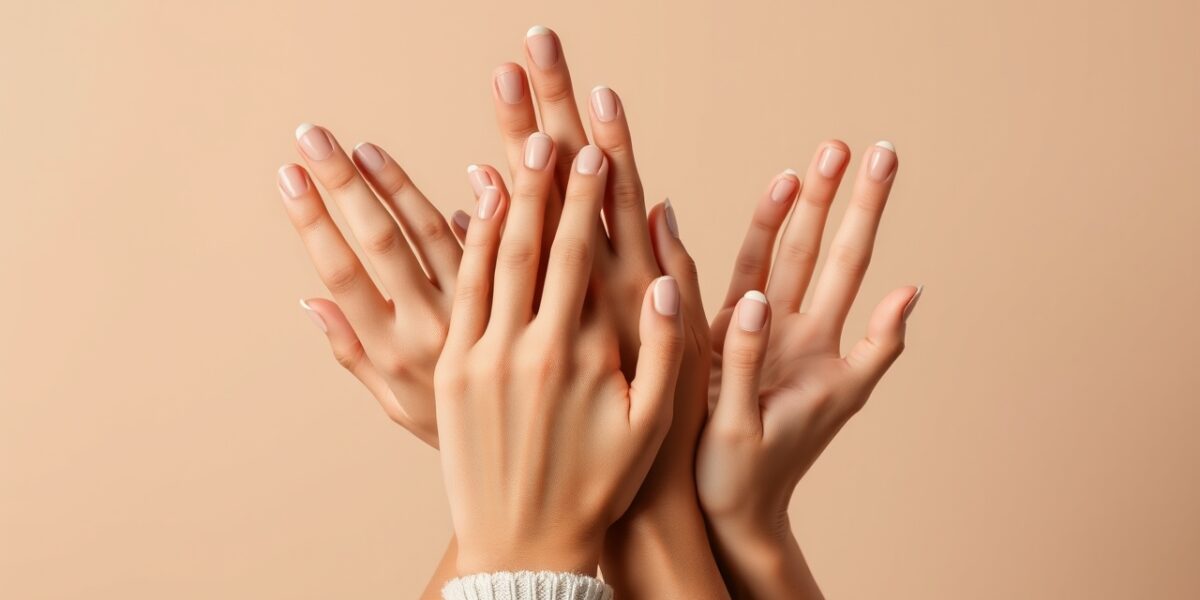
This nail shapes guide is designed to strip away the confusion before your next salon appointment. After years of watching how a simple shift in silhouette can transform a hand, I’ve realized that the right shape does more than just look “pretty”—it can visually elongate your fingers, balance a wide nail bed, and tie your entire aesthetic together.
The Geometry of the Hand: Why Shape Matters
Before picking a style from a Pinterest board, it’s important to look at your own anatomy. Your natural nail bed—the pink area—is the blueprint. If you have a wide nail bed, certain angles can slim the appearance; if you have shorter fingers, specific tapers can create an illusion of length that wasn’t there before.
Choosing a shape is a balancing act between three things: your daily grind, your nail strength, and your vibe. A corporate lawyer who spends eight hours a day hammering away at a keyboard will find long stilettos a nightmare, whereas a bride might prioritize a sweeping, elongated look for her wedding photos, regardless of how hard it is to button a dress.


The Definitive Breakdown of Popular Nail Shapes
While there are endless micro-variations, most professional manicures fall into these primary categories. Here is what you need to know about the most requested styles in the chair today.
1. The Square Shape
Square nails are the architectural choice. The sides are filed straight and the tip is a crisp, flat horizontal line. It’s a bold, high-contrast look that offers the maximum surface area for intricate nail art.
- The Upside: Incredibly sturdy; they don’t snag or bend easily.
- The Downside: The sharp corners can catch on knit sweaters, and the flat edge can make short fingers look wider.
- Best for: Those with naturally long fingers and narrow nail beds.
2. The Squoval Shape
A hybrid of square and oval, the squoval follows straight sides but softens the corners into a gentle, natural curve. It is widely considered the most universally flattering shape because it mimics the natural growth of the nail.
- The Upside: You get the strength of a square with the softness of an oval.
- The Downside: It lacks the avant-garde edge of a coffin or the precision of a true square.
- Best for: Everyone. It’s the “safe bet” for medium-width nail beds.
3. The Round Shape
Round nails follow the natural arc of the fingertip with zero corners. This is the gold standard for anyone who prefers a short, clean look.
- The Upside: Virtually zero maintenance and nearly impossible to break.
- The Downside: You can’t achieve much length extension here.
- Best for: Short nails, active lifestyles (gym-goers, healthcare workers), and wide nail beds.
4. The Oval Shape
Similar to round, but the sides are filed straighter before curving into the tip, creating a more elongated, egg-like silhouette. This is the peak of traditional elegance.
- The Upside: Instantly makes fingers look more slender and elongated.
- The Downside: You need a bit of natural length to make the oval shape look intentional rather than just “grown out.”
- Best for: Short fingers or those craving a timeless, professional aesthetic.
5. The Almond Shape
Almond nails feature slim sides that taper to a rounded point, mimicking the actual nut. This is currently the “it” shape in high-end studios.
- The Upside: Incredibly chic; it creates a sophisticated, flowing line for the hand.
- The Downside: The tapered tip is a structural weak point, making them more prone to snapping unless reinforced with gel or acrylic.
- Best for: Anyone wanting a modern, feminine, and polished look.
6. The Coffin (Ballerina) Shape
Think of a coffin nail as a long square that has been tapered. It’s called “coffin” because the tip is flat, but the sides narrow. When the edges are slightly softer, it’s often referred to as the ballerina shape.
- The Upside: Pure high fashion. It provides a massive canvas for 3D art and crystals.
- The Downside: Requires significant length and can be a struggle for daily chores like typing or picking up coins.
- Best for: Acrylic extensions and those who view their nails as a primary fashion accessory.
7. The Stiletto Shape
The most aggressive of the bunch, the stiletto is filed to a sharp, needle-like point. It is a high-drama look that demands constant upkeep.
- The Upside: Maximum elongation; it’s an absolute power move.
- The Downside: The highest risk of breakage and a genuine hazard for scratching yourself or your linens.
- Best for: Bold personalities, editorial shoots, and special events.
Square vs Almond vs Coffin: The Final Verdict
When you’re choosing nail shape, the decision usually comes down to these three. They each communicate a completely different energy.
Square is about structure. It feels clean, organized, and traditional. However, because it creates a hard horizontal stop at the end of the finger, it can visually “truncate” your hand. If you have shorter fingers, a true square can make your hands look smaller than they are.
Almond is about flow. By removing the corners and tapering the tip, the eye is drawn upward, tricking the brain into seeing a longer finger. It is the most organic of the long shapes and blends seamlessly with the natural lines of the hand.
Coffin is about impact. It blends the length of the almond with the flat edge of the square, creating a geometric contrast that looks highly curated. While almond looks like it could be natural, coffin looks like a piece of art.
How to Determine the Best Nail Shape for Your Fingers
To find the best nail shape for fingers, start by analyzing your proportions. I suggest taking a top-down photo of your hand in natural light—it’s easier to see the geometry in a photo than in a mirror.
For Short Fingers
If your goal is length, steer clear of the square. Instead, lean into oval, almond, or stiletto. These shapes create a vertical line that pulls the eye upward, extending the perceived length of the digit. Even a subtle taper can make your hands look more graceful.
For Wide Nail Beds
If your nails are naturally broad, a square shape will only emphasize that width. To slim the silhouette, go for an oval or almond. By narrowing the tip, you create a streamlined look that balances the width of the base.
For Long, Slender Fingers
You have the luxury of choice. Square and squoval look fantastic here because they add a bit of necessary width and balance. However, if you want to lean into a high-fashion look, almond is always a winner.
The Reality of Maintenance and Durability
Not all shapes are built the same. The physics of the nail determines how often you’ll be dealing with a heartbreaking snap.
The “tanks” of the nail world are round and squoval. Because they lack sharp angles and have a broader base, they distribute pressure evenly. If you’re a nurse, a chef, or someone who spends their weekends gardening, these are your best bets.
The most fragile are the stiletto and almond. That tapered point creates a structural stress point. If you go this route, I highly recommend a strengthening base coat or a professional gel overlay. For a deeper look at why nails break, you can check out the biological composition of the nail on Wikipedia.
Pro Guide: Shaping Your Nails at Home
While I always recommend a pro for coffin or stiletto shapes, you can maintain your look at home. Ditch the metal files—they’re too harsh. Use a glass file or a high-grit emery board to prevent the nail layers from peeling.
- Dry Prep: Never file wet nails. Water softens the nail plate, making it far more likely to split or tear.
- Find the Apex: Identify the exact center of your nail tip. This is your North Star; it ensures your shape is symmetrical and not leaning to the left or right.
- One-Way Motion: Stop the “sawing” motion. Filing back and forth creates heat and frays the nail edge. File from the outer edge toward the center in one fluid stroke.
- The 45-Degree Angle: Hold your file at a slight angle underneath the nail rather than flat on top. This creates a cleaner, smoother edge.
- The Final Buff: Use a soft buffer to remove any “burrs” (those tiny hanging bits of nail) from the underside.
Don’t be afraid to experiment. You can always grow them out if you go too short. For more on keeping your natural nails healthy between salon visits, check out our expert nail care tips.
The Subtle Psychology of Your Manicure
It might seem trivial, but your nail shape sends a signal. Square nails often project precision, order, and a traditionalist approach—perfect for corporate environments where a “buttoned-up” look is the norm.
Almond and oval shapes suggest softness, femininity, and a certain “old money” grace. On the flip side, coffin and stiletto shapes are markers of confidence and trend-awareness. They signal that you aren’t afraid to be noticed and that you view your body as a canvas for self-expression.
Common Pitfalls to Avoid
I see these mistakes in the salon every day. Avoid them to ensure you actually love your results:
- Ignoring the Cuticle: If you have a deep, curved cuticle, a harsh square tip can look disjointed. A squoval or oval usually complements a curved base better.
- The “Instant Stiletto” Trap: Jumping from short nails to stilettos without a transition often leads to immediate breakage. Grow your length in stages.
- Over-filing the Sidewalls: When chasing an almond look, some people file too far down the sides. This destroys the “stress area” where the nail meets the skin, making a snap inevitable.
- The Thumb Struggle: Thumbs are naturally wider. Don’t force a tiny, pinched almond on a wide thumb; go for a wider oval to keep the hand proportional.
Quick Reference Guide
| Shape | Best For | Durability | Vibe |
|---|---|---|---|
| Square | Long fingers | High | Classic/Bold |
| Squoval | All hand types | Very High | Natural/Balanced |
| Round | Short nails | Highest | Low-maintenance |
| Oval | Short fingers | Medium | Elegant/Timeless |
| Almond | Wide nail beds | Medium-Low | Modern/Chic |
| Coffin | Extensions | Low | Trendy/Glam |
| Stiletto | Dramatic looks | Lowest | Edgy/Bold |
Final Thoughts: Trust Your Gut
At the end of the day, the “perfect” shape is the one that makes you feel like the best version of yourself. While the rules of geometry are a great starting point, your preference is the final word. I always tell my clients to treat their nails like a wardrobe—switch it up every few months. You might find that while almond is technically “correct” for your fingers, you actually prefer the crisp, clean energy of a squoval.
Just remember: health over aesthetics. If a certain shape leads to constant peeling or splitting, it’s a sign that the style is too aggressive for your natural nail plate. In those cases, scaling back to a rounded edge isn’t a defeat—it’s a recovery period that will let your nails grow back stronger.
Frequently Asked Questions
Which nail shapes guide should I follow for small hands?
For smaller hands, the goal is usually to create a vertical line. I recommend prioritizing oval or almond shapes. These styles extend the visual line of the finger, making the hand appear more slender. Avoid square shapes, as the flat edge creates a horizontal stop that can make small hands look shorter.
Can I change my nail shape without cutting them short?
It depends on the direction. Moving from square to almond is a breeze because you’re simply removing material from the sides. However, moving from almond back to square requires patience; you’ll need to grow out the length until you have enough width at the tip to create a flat, stable edge.
Are coffin nails only for acrylics?
You can achieve them naturally, but it’s rare. Coffin nails require significant length and a level of structural rigidity that natural nails often lack. Acrylics or hard gels provide the “skeleton” needed to keep that flat tip from snapping under pressure.
How often should I reshape my nails?
To keep the look sharp, a light shaping every 7 to 14 days is ideal. This prevents corners from snagging on fabric and ensures that as the nail grows, the shape stays aligned with your fingertip.
What is the actual difference between almond and oval?
It all comes down to the taper. Oval nails have a wider, softer tip that follows the natural curve of the finger. Almond nails are more sculpted; they are slimmer and taper more sharply toward the tip, resembling an actual almond nut.
Leave a Reply