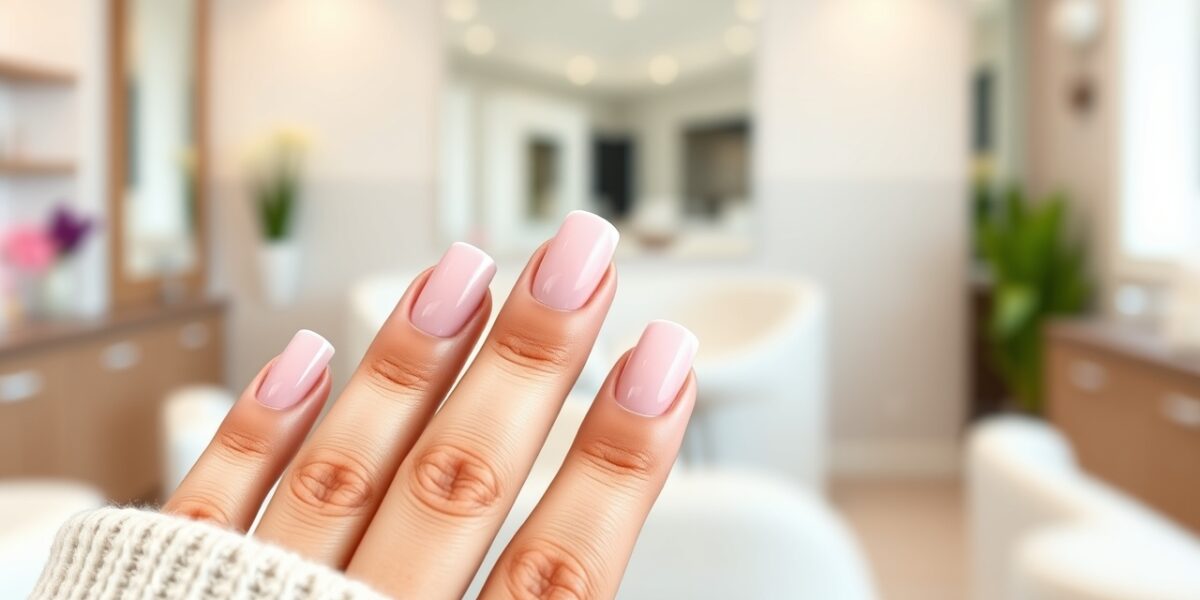
Dip powder vs gel is a common debate among nail enthusiasts, and the choice can feel like a pivotal decision for anyone wanting flawless, long‑lasting nails. Both systems have grown in popularity because they offer a glossy, durable finish that outlasts traditional acrylics or hand‑painted polishes. Yet, each method has unique steps, benefits, and drawbacks that can influence how you decide.
Dip Powder vs Gel: The Basics
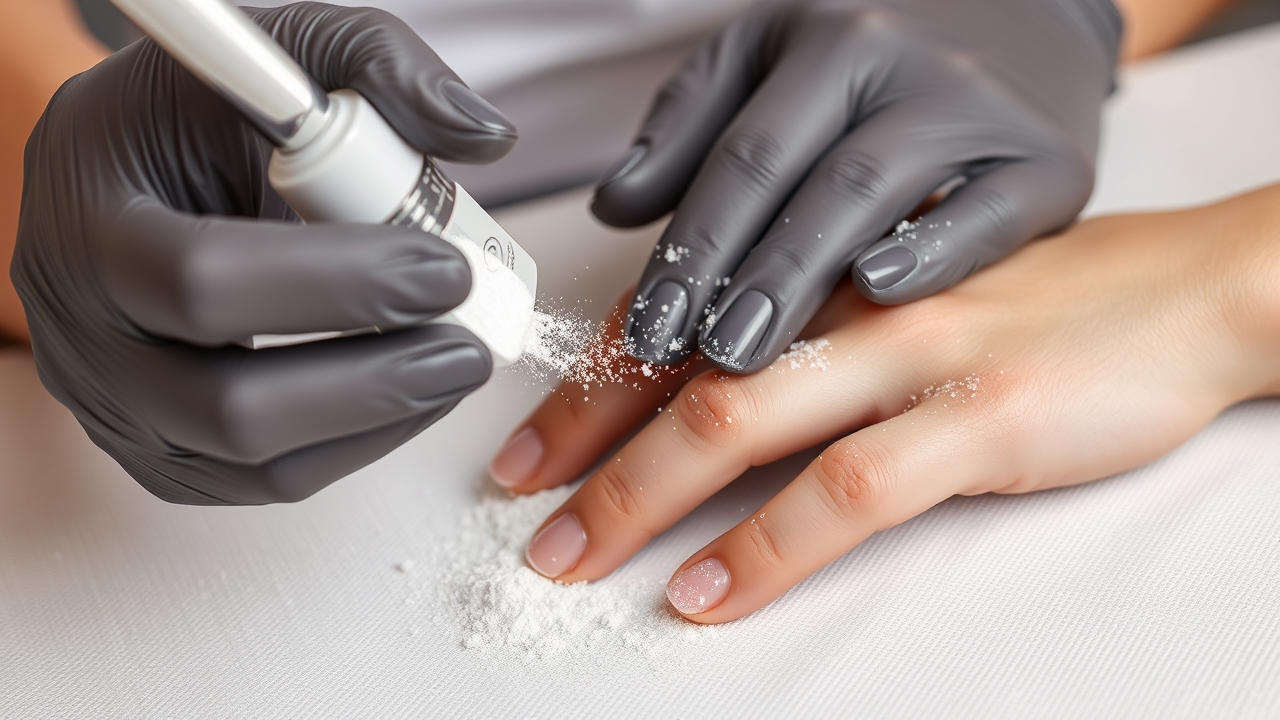
Understanding the foundational differences between dip powder and gel is the first step toward making an informed choice. In short, dip powder is a powdered resin that you dip your nails into, while gel is a liquid base that hardens under a UV or LED lamp.
- Application: Dip powder requires a powder bath and a clear coat, whereas gel is brushed on and cured.
- Finish: Dip powder typically yields a matte to satin sheen, while gel can be made ultra‑glossy.
- Removal: Dip powder is soaked in acetone or a soaking solution, and gel is usually soaked in acetone after a brief soak.
How Each System Works
When you choose dip powder, you first apply a base coat, then dip the nail into a powder mixture that sticks to the base. After rinsing the excess powder, you apply a top coat and seal the edges. The process is quick and can be done in 30–45 minutes.


Gel, on the other hand, starts with a base coat that is cured under a UV or LED lamp. Once the base is solidified, you apply a colored gel layer, cure it again, and finish with a top coat. Each layer takes a few minutes to cure, so the total time is similar but involves multiple lamp exposures.
Durability: Which Lasts Longer Nails?
Both dip powder and gel are known for their longevity, but there are subtle differences. Studies and user reports suggest that dip powder can last 3–4 weeks, whereas gel typically lasts 2–3 weeks when cared for properly. However, the durability depends on factors such as nail health, daily activity, and maintenance.
- Dip Powder: Offers a thicker, more resilient base that is less likely to chip under heavy use.
- Gel: Provides a smoother finish that can be more prone to chipping if the top coat is thin.
Application Time and Skill Level
For a beginner, dip powder can feel more forgiving because there are fewer steps that require precision. Gel, however, demands careful timing of each curing cycle. A misstep in curing can lead to a sticky, uneven finish.
Health Considerations
Both systems use chemicals that can irritate nails if not used properly. Dip powder contains formaldehyde‑related compounds, while gel uses bis‑phenols and other resins. Good ventilation and proper removal techniques are essential for both.
When comparing gel vs dip, it’s worth noting that gel’s liquid form can sometimes seep into the nail bed, potentially causing dryness. Dip powder’s powder form is less likely to seep, but the powder can be more abrasive during removal.
Cost and Accessibility
Salon prices for dip powder and gel are comparable, usually ranging from $15 to $25 per nail set. At home, both systems require an initial investment in a kit, but dip powder kits are often slightly cheaper due to fewer lamp requirements.
Dip Powder Pros and Cons
Pros
- Longer lasting than gel, especially for high‑impact activities.
- Less prone to chipping.
- Can be applied in a single session without a lamp.
Cons
- Removal can be harsh on natural nails if not done carefully.
- Powder residue can be messy during application.
- Less flexibility for quick color changes.
Gel Pros and Cons
Pros
- Ultra‑glossy finish that can be tailored with high‑lighter effects.
- Quick to cure, allowing for rapid changes.
- Less abrasive during removal.
Cons
- Requires a UV or LED lamp, adding to the cost.
- Potential for sticky residue if not cured properly.
- Durability slightly lower than dip powder with heavy use.
Choosing the Right Finish for Your Lifestyle
If vocalizing the best approach, consider the following:
- Active Lifestyle: Dip powder tends to hold up better under physical stress.
- Time Constraints: Gel offers faster removal and color changes.
- Budget: Dip powder kits are generally cheaper for home use.
- Desired Finish: Gel can be more glossy; dip powder offers a satin look.
Ultimately, the decision between dip powder vs gel hinges on your personal preferences, nail health, and how often you want to change colors.
Step‑by‑Step Application Walkthrough
Dip Powder Process
- Prep the Nails: Trim, file, and push back cuticles. Clean with isopropyl alcohol to remove oils.
- Apply Base Coat: Use a thin layer of the base(application) gel. Cure for 60–90 seconds under a UV/LED lamp if the base requires it.
- Dip into Powder: Hold the nail vertically and dip fully into the powder. Shake off excess; the powder should cling to the base.
- Seal the Edge: Use a small brush to apply a top coat over the edge to prevent powder from falling off.
- Apply Top Coat: Brush on a clear top coat and cure if necessary. Finish with a quick polish to seal.
- Polish the Nail: Buff the surface for a smooth finish.
Gel Process
- Prep the Nails: Same as dip powder.
- Base Coat: Brush a thin layer of gel base. Cure 60–90 seconds.
- Color Layer: Apply 1–2 coats of colored gel. Cure each coat 60–90 seconds.
- Top Coat: Apply a clear top coat. Cure 60–90 seconds.
- Finish: Polish the surface and apply a final sealant if desired.
Common Mistakes to Avoid
- Over‑Curing: Leaves a hard, brittle finish that cracks.
- Under‑Curing: Results in a sticky surface that can peel.
- Skipping the Edge Seal: Powder or gel can flake off quickly.
- Using Old Powder: Powder that’s been in the bottle for months can clump and cause uneven coverage.
- Neglecting Nail Health: Ignoring natural nail strength can lead to breakage, especially with heavy dip powder.
Tips for Extending Longevity
- Use a Base Coat: Strengthens the nail and creates a barrier.
- Apply Thin Layers: Thick layers dry unevenly and chip faster.
- Moisturize Cuticles: Keeps the nail bed healthy.
- Wear Gloves: Protects nails from household chemicals.
- Schedule Regular Touch‑Ups: Replace chipped tips before the entire set fails.
Choosing the Right Color and Design
When selecting a finish, match the color to the occasion. For business meetings, a neutral matte dip powder can be elegant, while a bright gel with a high‑lighter effect can be perfect for parties. Seasonal trends also dictate choices: pastel gels in spring, bold dip powders in fall, and metallics in winter.
When to Seek Professional Help
Signs you need a pro include:
- Persistent nail damage or thinning after repeated dip powder.
- Allergic reactions to the product (redness, itching).
- Inconsistent curing due to lamp issues.
- Difficulty removing the finish without harming the natural nail.
Environmental Impact and Sustainability
Both dip powder and gel generate waste—powder bags, plastic brushes, and chemical containers. Some brands now offer recyclable packaging and refillable kits. Choosing a brand with a transparent ingredient list and eco‑friendly practices helps reduce your carbon footprint while still enjoying long‑lasting nails.
Frequently Asked Questions
1. Dip powder vs gel – which is safer for natural nails?
Both systems can be safe when used correctly, but gel may be gentler during removal because it doesn’t rely on powder abrasion. However, proper technique and ventilation are key for both.
2. How often should I reapply dip powder or gel?
For dip powder, a full set lasts about 3–4 weeks. Gel typically lasts 2–3 weeks, so reapplication depends on the wear of your nails.
3. Can I mix dip powder and gel in the same manicure?
It’s not recommended. The differing bases can cause adhesion problems and may lead to uneven finishes.
4. What is the best way to remove dip powder?
Soak your nails in acetone for 10–15 minutes, then gently push off the powder with a wooden stick. Follow up with a gentle buff to preserve nail health.
5. Where can I learn more about gel nail treatments?
For a detailed overview of gel nail technology, you can read the gel nail page on Wikipedia, which covers the science and application techniques.
For more nail care tips and professional insights, visit our nail care guide and explore a range of tutorials and product recommendations that suit every nail style.
Leave a Reply