
Gel extensions vs acrylics have become the most debated topic among nail enthusiasts, each offering unique benefits and challenges. Whether you’re a seasoned pro or a first‑time client, understanding the nuances of these two popular systems can help you make an informed decision that aligns with your style, budget, and care routine.
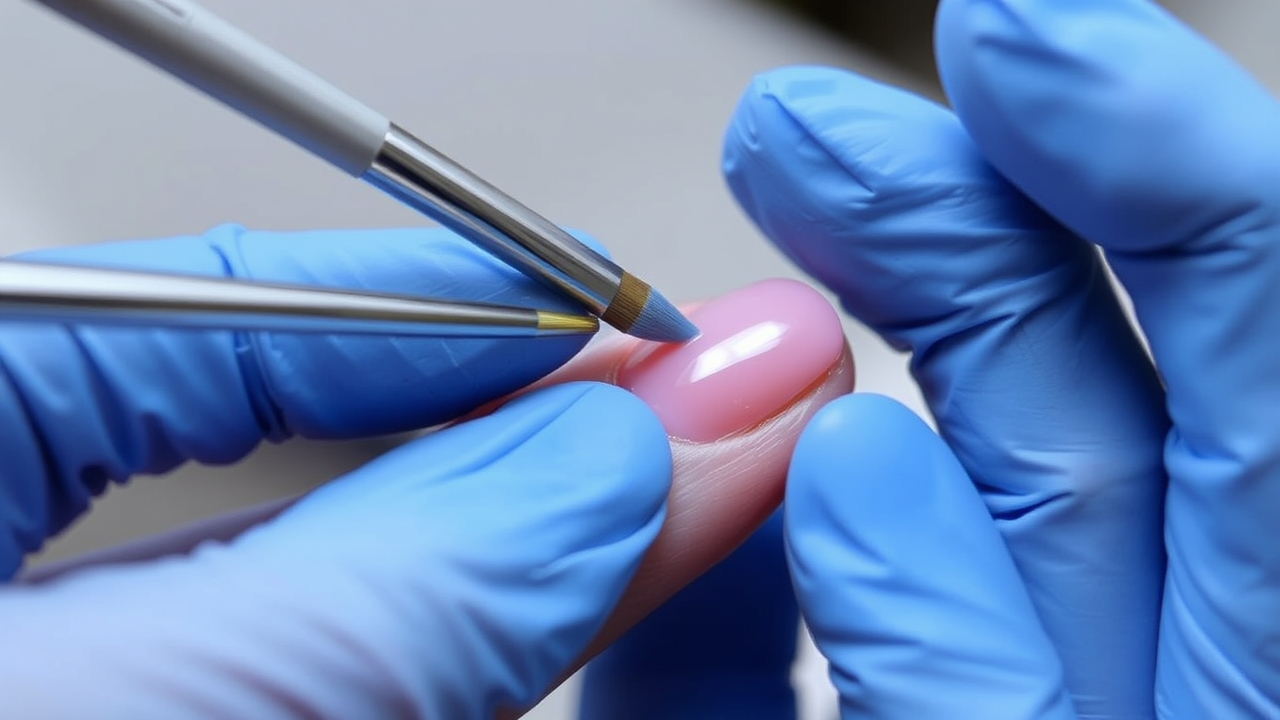
Gel Extensions vs Acrylics: A Side‑by‑Side Comparison
At the core, both gel extensions and acrylics aim to lengthen and strengthen natural nails. They differ, however, in their formulation, curing process, and long‑term behavior. Below is a quick snapshot of the key distinctions:
- Material Composition: Gel is a polymer that hardens when exposed to UV or LED light, while acrylic is a liquid monomer mixed with a powder polymer that reacts chemically.
- Curing Method: Gel requires a light source for each layer, whereas acrylic hardens at room temperature once the monomer and powder are combined.
- Flexibility: Gel tends to be more flexible and less prone to cracking, whereas acrylic can be thicker and may feel rigid.
- Removal: Gel is typically soaked in acetone over a short period, while acrylic is filed and then removed with a gentle soak.
- Longevity: Both last 2–3 weeks, but gel often feels less noticeable on the nail bed.
How the Application Process Differs
Gel X vs Acrylic: Step‑by‑Step
For a clear view of the workflow, let’s walk through a typical session for each system.


Gel X Application
- Prep the nail bed: clean, buff, and apply a base coat.
- Apply a thin layer of gel, then cure under UV or LED for 30–60 seconds.
- Repeat the layer and cure process until the desired length is achieved.
- Finish with a top coat and a final cure.
- Soak the nails briefly in acetone to remove any residue.
Acrylic Application
- Clean and shape the natural nail, then apply a primer.
- Mix the liquid monomer with the powder polymer to create a dough‑like consistency.
- Press the mixture onto the nail and mold it into the desired shape.
- Let the acrylic cure at room temperature for several minutes.
- File and buff to smooth edges and apply a top coat.
Durability & Wear: Which Is Better Nails?
When considering which is better nails, many look to the durability and resilience of the final product. Here’s how they stack up:
- Impact Resistance: Acrylics can endure heavier daily activities without breaking, but a sharp impact can still snap them.
- Flexibility: Gel extensions flex with the natural nail, reducing the risk of fractures from bending.
- Color Retention: Gel’s polymer matrix holds color better over time, while acrylic can sometimes show yellowing if not sealed properly.
- Maintenance: Both require regular top‑coat touch‑ups, though gel often needs less frequent buffing.
Nail Extension Types: Choosing the Right System for Your Lifestyle
Beyond the gel vs acrylic debate, there are several other extension types that can influence your choice:
- Natural Length Extensions: Shorter, more natural look, usually gel or acrylic.
- Wire and Coating: Uses a thin wire for added strength, common in acrylics.
- Builder Gel: A hybrid that offers the flexibility of gel with the strength of acrylic; often chosen for sculpting complex shapes.
- Hybrid Gel: Combines aspects of both systems for a balanced performance.
- Empowered Nail Art: Both systems support intricate designs, but gel allows for more translucency.
Builder Gel: The Hybrid Solution
Builder gel has gained traction among professionals who want the best of both worlds. It is formulated to cure under LED light while providing a thicker, more robust structure. As a result, builder gel can reduce the need for wire reinforcement and still maintain a natural flex. Many salons now offer builder gel as a premium option for clients seeking durable, high‑impact nails without the stiffness of acrylic.
Maintenance & Care: Keeping Your Nails Healthy
Regardless of the system you choose, proper maintenance is essential to keep the nails healthy and the extensions looking fresh.
- Regular Top‑Coat Applications: Reapply a top coat every 7–10 days to seal the surface and prevent chipping.
- Avoid Harsh Chemicals: Use gloves when handling household cleaners that contain acetone or harsh solvents.
- Hydration is Key: Apply cuticle oil and hand cream daily to keep the nail bed supple.
- Schedule Touch‑Ups: Plan a quick visit every 2–3 weeks to fill in any gaps and keep the length even.
- Professional Removal: Let a trained technician handle removal to avoid damaging your natural nails.
Environmental & Health Considerations
Both gel and acrylic systems use chemicals that can have environmental or health impacts if not handled properly. The industry is moving toward low‑VOC (volatile organic compound) formulations, but it’s still wise to:
- Ensure good ventilation during application and removal.
- Use gloves and protective eyewear.
- Recycle or dispose of used materials according to local regulations.
Making the Final Choice: A Practical Decision Guide
Here’s a quick decision matrix to help you weigh your priorities:
| Criteria | Gel Extensions | Acrylics |
|---|---|---|
| Initial Cost | Moderate | Low to moderate |
| Longevity | 2–3 weeks | 2–3 weeks |
| Flexibility | High | Medium |
| Removal Time | Short soak | File & soak |
| Suitability for Art | Excellent for translucent designs, fine detailing, and subtle gradients | Great for bold, opaque colors, and large‑scale patterns |
When to Choose Gel vs Acrylic for Specific Professions
Different careers demand different nail attributes. Below are some common scenarios and which system tends to shine:
- Healthcare Workers: Gel is often preferred because it’s lighter and less likely to snag on equipment. Acrylic’s bulkier feel can be a hindrance during long shifts.
- Construction & Manual Labor: Acrylics offer superior impact resistance, making them suitable for jobs where nails may face sudden knocks.
- Performers & Actors: Many performers opt for builder gel to achieve elaborate, durable designs that can withstand stage lights and repetitive movements.
: Gel’s translucency and ability to showcase nail art without a heavy base make it a favorite for high‑definition photography.
DIY vs Salon: Which Option Saves You Time and Money?
While both systems can be done at home, the learning curve differs significantly. Acrylics require precise mixing ratios and a steady hand to avoid lumps, whereas gels need a reliable UV/LED lamp and strict timing. For most people, a salon visit ensures a flawless finish and reduces the risk of damage to the natural nail.
Common Misconceptions Debunked
- “Gel nails are always thinner than acrylics.” Not necessarily—builder gels can be as thick as acrylics while maintaining flexibility.
- “Acrylics always yellow over time.” Proper sealing and regular top‑coat touch‑ups prevent yellowing.
- “Gel removal is less damaging.” Both systems can damage nails if not properly removed; professional removal is key.
- “Acrylics take longer to cure.” Acrylics cure at room temperature in minutes, whereas gels require a UV/LED lamp for each layer.
- “Gel nails are only for short‑term use.” Builder gels can last up to 6 weeks with proper care.
Frequently Asked Questions (FAQs)
1. Can I apply gel extensions over acrylic nails?
Yes, but it’s not recommended for long‑term wear. Gel over acrylic can trap moisture, leading to fungal growth. If you must, ensure the acrylic is fully cured and sanded smooth.
2. How long does a gel or acrylic manicure last before needing a touch‑up?
Both typically last 2–3 weeks. Gel may chip earlier if the top coat wears off, while acrylic can maintain its shape longer but may develop cracks.
3. Are there any health risks associated with gel or acrylic nails?
Both use chemicals that can cause skin irritation or allergic reactions in sensitive individuals. Always inform your technician of any allergies and ensure proper ventilation.
4. Which system is better for children or teens?
Gel extensions are generally lighter and easier to remove, making them a good choice for younger clients. Acrylics can be too harsh if not applied correctly.
5. Can I do a full set of gel or acrylic nails at home?
With practice, it’s possible, but the risk of uneven application or damage to natural nails is higher. Many people prefer a professional for the first few sets.
Conclusion
Choosing between gel extensions and acrylics ultimately comes down to balancing durability, flexibility, aesthetic goals
For further reading, see related references on Wikipedia.
Leave a Reply