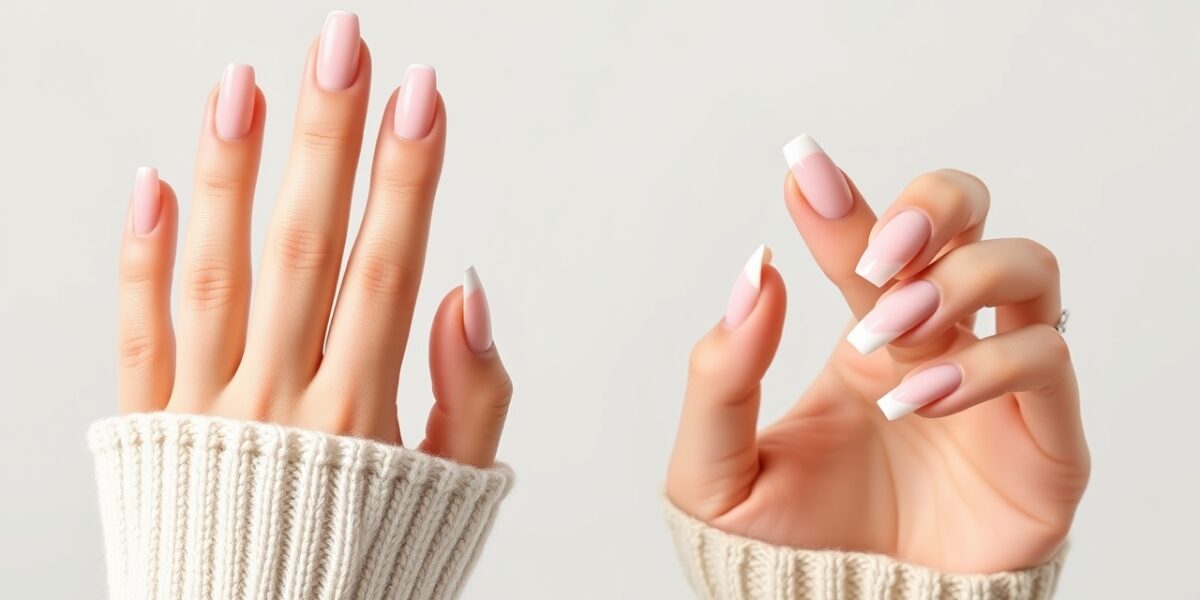
Gel extensions vs acrylics can be a confusing decision for many nail enthusiasts. The choice often hinges on durability, appearance, maintenance, and personal preference.
Gel extensions vs acrylics: Understanding the Basics
Both gel extensions and acrylics are popular methods for creating lengthened nails, but they differ fundamentally in composition, application, and finish. Gel extensions use a polymer that cures under UV or LED light, producing a soft, flexible surface that mimics the natural nail. Acrylics, on the other hand, combine a liquid monomer with a powdered polymer to form a hard, rigid structure that hardens at room temperature.
How Gel Extensions Work
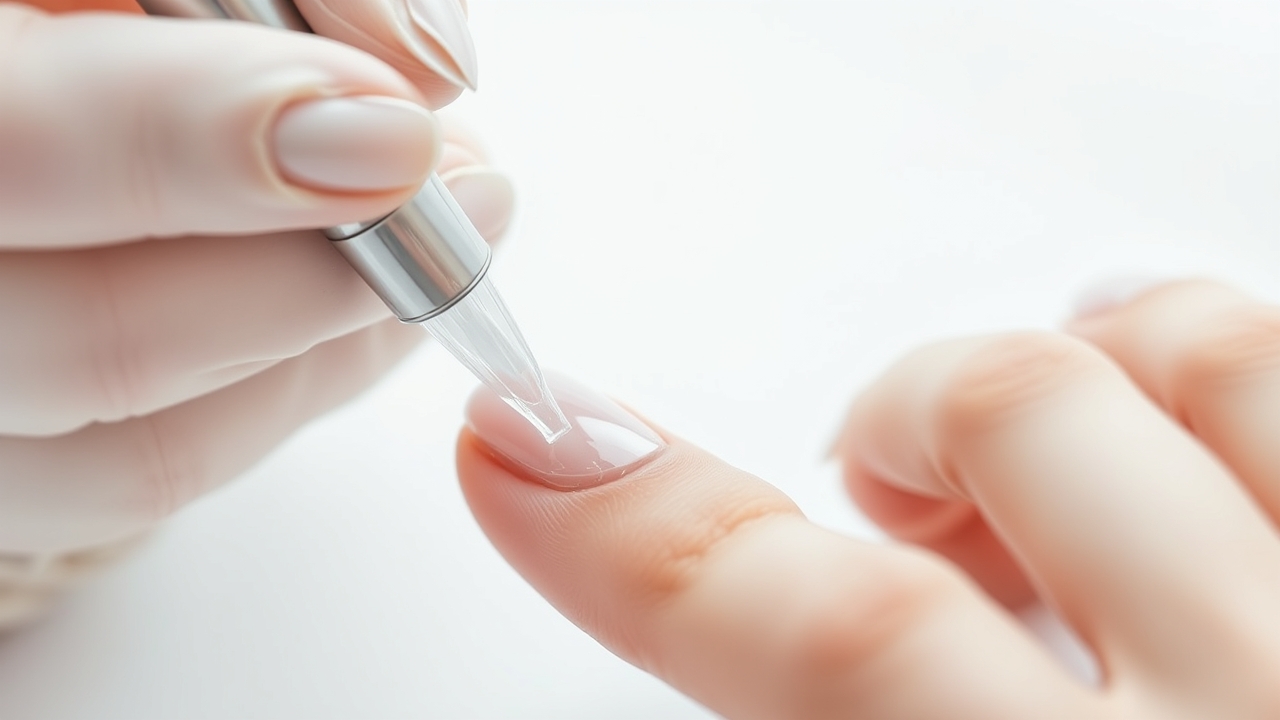
Gel extensions begin with a clean, well‑prepared nail. A small amount of gel is applied to the nail plate and cured under a UV or LED lamp. The curing process polymerises the liquid into a solid film that bonds strongly to the natural nail. Because the gel remains slightly flexible, it can absorb impact and is less prone to cracking. The result is a smooth, glossy surface that can be polished to a high sheen.


How Acrylics Work
Acrylics start with a similar nail prep. Once the nail is primed, a mixture of liquid monomer and powder polymer is applied. The mixture reacts chemically, gradually hardening into a rigid shell. Acrylics are known for their strength and versatility; they can be shaped into a wide range of designs, from subtle lengthening to dramatic sculptural styles.
Pros and Cons of Gel Extensions
- Pros:
- High polish finish with minimal surface imperfections.
- Flexible and less likely to break.
- Faster drying time with UV/LED lamps.
- Can be removed with a gentle soak, preserving the natural nail.
- Cons:
- Requires access to a lamp, increasing upfront cost.
- May cost more per application.
- Can cause nail thinning if overused or removed aggressively.
Pros and Cons of Acrylics
- Pros:
- Durable and strong, ideal for heavy‑handed lifestyles.
- Versatile in shaping and sculpting.
- Lower cost per unit compared to gel.
- No lamp required, making it accessible for home kits.
- Cons:
- Harder surface can feel unnatural for some wearers.
- Removal can be more aggressive, potentially damaging the natural nail.
- Longer drying time at room temperature.
Gel X vs Acrylic
When comparing gel X vs acrylic, the key difference lies in the material’s flexibility and curing method. Gel X is a newer, pre‑polymerised gel that can be applied with a brush and cured in just 30‑second intervals, offering a quicker turnaround than traditional gel. Acrylics retain higher tensile strength, making them a preferred choice for users who require extra durability.
Which is Better Nails? Factors to Consider
If you’re asking which is better nails, the answer depends on your priorities:
- Appearance: Gel extensions provide a higher shine and a more natural look.
- Durability: Acrylics tend to last longer under heavy use.
- Maintenance: Gel requires a lamp and more frequent touch‑ups, while acrylics can be maintained with simple buffing.
- Health: Both can be safe when applied correctly, but overuse can weaken natural nails.
Nail Extension Types
Beyond the classic gel and acrylic, there are several hybrid options that blend the strengths of each:
- Hybrid Gel: Combines gel’s flexibility with acrylic’s durability.
- Fiberglass or Silk Wraps: Thin layers that reinforce the natural nail without the bulk.
- Crystal or Gel Nails: Decorative options that add sparkle while maintaining a flexible base.
Builder Gel: A Modern Alternative
Builder gel has emerged as a popular choice for those who want the best of both worlds. It offers the flexibility of gel with a thicker, more sculptable consistency similar to acrylic. When applied, it can be shaped into a wide range of styles, from subtle lengthening to dramatic spikes, and cures under a UV or LED lamp.
Professional vs DIY: What to Expect
Choosing between a salon appointment and a home kit changes the entire experience. In a salon, a trained technician will:
- Perform a thorough nail assessment to detect any underlying issues.
- Use high‑grade products that meet industry safety standards.
- Apply the extension with precision, ensuring a seamless bond.
- Provide post‑care instructions tailored to your nail type.
When you DIY:
- You can save on labor costs but must invest in quality tools and products.
- There’s a higher risk of improper curing or over‑filing, which can lead to lift or breakage.
- Home kits typically include a lamp for gels, but the user must be vigilant about safety (UV exposure, correct curing times).
Choosing the Right Nail Shape
The shape you choose can amplify the benefits of either gel or acrylic. Common shapes include:
- Stiletto: Long and pointed—best for acrylics due to their rigidity.
- Squid: Slightly rounded tip—works well with both gels and acrylics.
- Square: Flat edges—ideal for a clean look, especially with builder gel.
- Oval: Soft, natural curve—gel extensions shine here, offering a subtle length.
When selecting a shape, consider your daily activities. If you frequently use your hands for tasks that involve pressure (typing, cooking, gardening), a sturdier shape like stiletto or square may be preferable.
Common Mistakes to Avoid
Even seasoned nail lovers fall into pitfalls that can compromise the longevity and health of extensions:
- Over‑filing YouTube tutorials: Cutting the natural nail too short before applying extensions can weaken the base.
- Skipping the primer: A primer creates a micro‑texture that improves adhesion; neglecting it leads to lift.
- Inadequate curing time: Under‑curing gels can result in a soft, tacky surface that chips easily.
- Using cheap acetone: Low‑quality acetone can dissolve the gel or acrylic prematurely, damaging the natural nail.
- Neglecting aftercare: Failing to moisturize the cuticles or apply a strengthening base coat can accelerate breakage.
Nail Health After Extensions
Maintaining healthy nails is essential, regardless of the extension type. Adopt these habits:
- Hydration: Apply cuticle oil and a rich hand cream daily.
- Ventilation: Allow nails to breathe between appointments; avoid leaving extensions on for more than 3–4 weeks.
- Balanced diet: Protein, biotin, and omega‑3 fatty acids support nail strength.
- Avoid harsh chemicals: When cleaning, use gloves to protect the extensions.
- Regular check‑ins: If you notice lifting or discoloration, schedule a touch‑up sooner rather than later.
Environmental and Sustainability Considerations
Both gel and acrylic products have environmental footprints. Acrylics often contain volatile organic compounds (VOCs) that can be released during application and removal. Gel products, while generally lower in VOCs, still require a lamp that consumes electricity.
To reduce your impact:
- Choose brands that advertise low‑VOC or eco‑friendly formulations.
- Recycle or properly dispose of disposable tools and packaging.
- Consider a refillable gel kit to cut down on plastic waste.
- Use a UV‑blocking wristband during curing to minimize skin exposure.
Cost, Time, and Durability
When weighing gel extensions vs acrylics, consider the following:
- Initial cost: Gel often requires a lamp, which can be a one‑time investment.
- Labor time: Gel can be finished in 30–45 minutes, while acrylics may take 45–60 minutes.
- Longevity: Acrylics can last 3–4 weeks, gel up to 4–6 weeks with proper care.
- Resilience: Acrylics are less likely to chip under heavy use, but gel offers a more natural feel.
Choosing the Right Option for Your Lifestyle
Here are some scenarios to help you decide:
- Office worker with frequent meetings: Gel extensions provide a polished look that lasts through meetings.
- DIY enthusiast: Acrylics are easier to apply at home without a lamp.
- Frequent traveler: Builder gel offers durability without the need for a lamp on the go.
- Health‑conscious wearer: Both options can be safe if applied correctly, but avoid overuse to protect natural nails.
For more detailed guidance, visit our main site for additional resources and step‑by‑step tutorials.
FAQ
Gel extensions vs acrylics: Which is better for everyday use?
It depends on your needs. Gel extensions offer a natural look and are easier to maintain, while acrylics provide extra strength and durability for high‑impact activities.
What is the difference between gel X vs acrylic?
Gel X is a pre‑polymerised gel that cures quickly under UV light, whereas acrylics are a liquid‑powder mixture that hardens at room temperature, offering greater strength but requiring more time to set.
How often should I replace gel extensions or acrylics?
Generally, gel extensions last 4–6 weeks and acrylics last 3–4 weeks. Replace them when they start to lift or when you notice signs of damage.
Can I use builder gel if I have sensitive nails?
Builder gel is softer than acrylic but firmer than traditional gel, making it a good compromise for sensitive nails. Always perform a patch test before full application.
Is it safe to remove gel extensions or acrylics at home?
Yes, but it requires patience and the right solvents. For gel, use an acetate solution; for acrylic, acetone. Avoid aggressive filing or scraping to prevent damage to the natural nail.
What should I do if my gel extensions start to lift?
Lifted gel usually indicates a weak bond or over‑filing. A professional can re‑apply a thin layer of primer and a fresh coat of gel to restore adhesion. If you’re DIY, gently file the lifted area, apply a new primer, and cure again.
Are there any health risks associated with long‑term use of acrylics?
Prolonged exposure to acrylic monomer can cause skin irritation for some individuals. Using gloves and ensuring proper ventilation during application reduces these risks. Regularly giving your nails a break helps maintain natural strength.
Can I paint over gel or acrylic extensions with nail polish?
Yes, but you should use a base coat designed for gel or acrylic surfaces. Avoid harsh polish removers; instead, use acetone or a dedicated gel remover to prevent damage.
How do I store my gel or acrylic kit when not in use?
Keep the kit in a cool, dry place away from direct sunlight. Seal the containers tightly to prevent the monomer or gel from drying out. For acrylic powder, store it in a sealed container to maintain its flow.
Is there a difference in UV exposure risk between gel and acrylic?
Gel requires UV or LED exposure to cure, which can increase skin exposure to UV radiation. Using a UV‑blocking wristband and limiting curing time can mitigate this risk. Acrylics do not require UV exposure, making them a safer option for those concerned about UV.
Learn more about the chemistry of gel nails on Wikipedia.
Leave a Reply