
Neutral nail colors are the quiet cornerstones of a polished look. They let your hands speak without shouting, offering a canvas that elevates any outfit. When I first stepped into a salon, I noticed that the most confident clients didn’t chase neon or metallics; they chose shades that blended seamlessly with their skin, creating an almost invisible extension of their natural beauty.
Why Neutral Nail Colors Look More Expensive
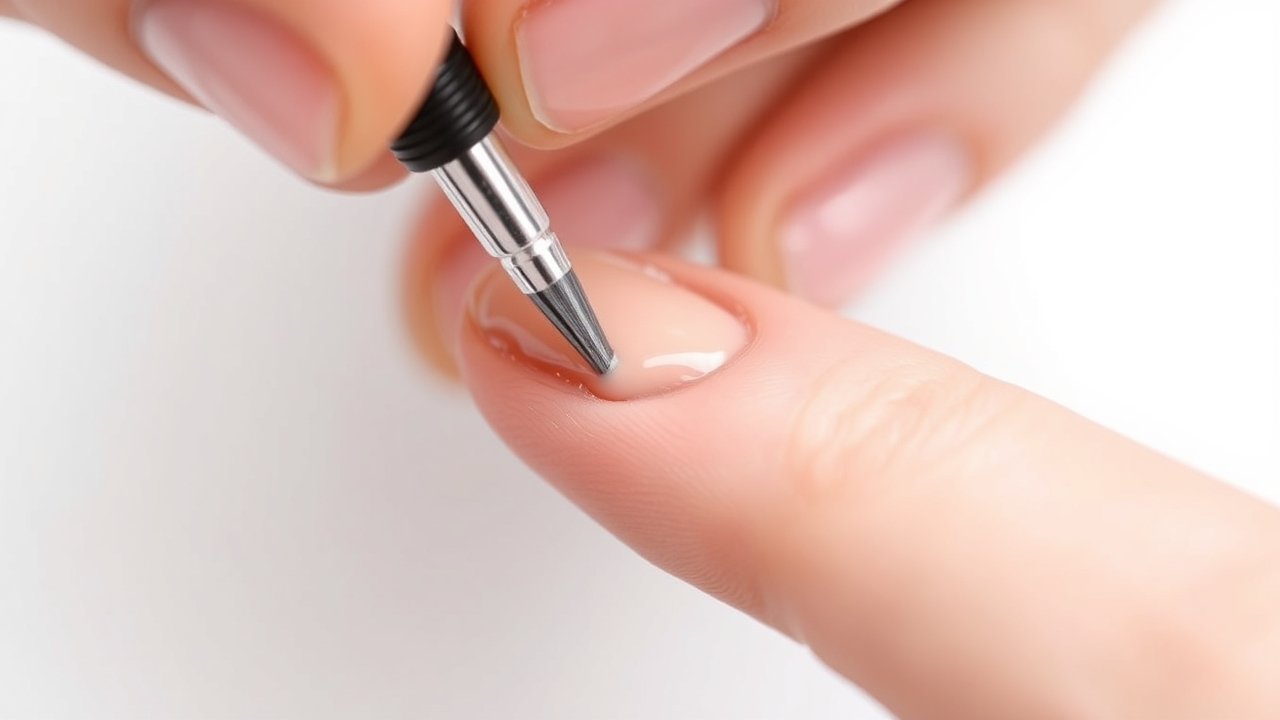
The allure of neutrals lies in their simplicity. A muted beige or soft taupe can feel like a luxury brand’s signature color if applied with precision. The real value comes from the polish’s finish and the nail’s health. A glossy, glass‑like surface reflects light and draws attention to the nail’s shape rather than its hue.
When a sheer nude is applied over a smooth, well‑buffered plate, the result looks effortless yet meticulously curated. The absence of bold color forces the eye to notice the polish’s depth, the crisp cuticle line, and the subtle variation in undertone that matches your skin. That level of detail is what translates to an expensive vibe.


How to Choose Nude Nail Shades for Your Skin Tone
Many people pick a “nude” simply because the bottle name sounds flattering. The trick is to match the shade to your revised skin undertone, not the label. Below are practical steps to find the perfect neutral for you.
Cool Undertones
Cool undertones show a blue or violet hue in the veins and look best with silver jewelry. For these hands, aim for nudes that carry a faint pink or mauve undertone. Think of shades like “Dusty Rose” from OPI or “Mauve Mist” from Essie. Avoid warm beiges; they can clash and make your skin appear sallow.
Warm Undertones
Warm undertones reveal green veins and shine with gold accessories. Creamy, golden‑beige shades such as “Golden Honey” by Butter London or “Caramel Whisper” by Zoya will complement your skin’s warmth. A subtle peach base adds a touch of softness without overpowering the natural tone.
Neutral Undertones
Neutral undertones can comfortably wear a wide spectrum of neutrals. A balanced “greige” (gray‑beige) or a muted “soft taupe” works well. Brands like CND’s “Classic Taupe” or “Grey‑Beige” by Deborah Lippmann offer a perfect middle ground. The key is to stay away from extremes—too orange or too gray will break the harmony.
The Anatomy of Classy Neutral Nails
Achieving a high‑end look is a three‑step process: shape, length, and finish. Each component must be executed with care.
The Ideal Shape
Almond and oval shapes elongate the fingers and are universally flattering. A squoval—square with rounded corners—provides a modern edge without feeling too sharp. For those who prefer longer nails, a coffin shape can work if the edges remain symmetrical and the tips are tapered.
The Importance of Length
Short to medium nails exude understated sophistication. They keep the focus on the polish and the nail’s architecture. If you opt for longer nails, ensure the length is proportional to your hand size; overly long nails can look disproportionate when paired with neutral shades.
Choosing the Right Finish
While high‑gloss is the default for a polished look, matte neutrals can be equally striking when applied correctly. For the most expensive appearance, a high‑shine top coat is essential. Gel systems benefit from a no‑wipe top coat that preserves a glass‑like sheen for weeks.
Step‑by‑Step Guide to a Professional Neutral Manicure
Whether you’re at home or in a salon, preparation is the difference between a DIY look and a polished finish. Follow these steps to achieve salon‑grade results.
- Prep the Cuticles: Gently push back with a cuticle pusher or a wooden stick. Avoid cutting; it can cause inflammation and leave a ragged edge.
- Buff the Surface: Use a fine‑grit buffer to remove ridges. A smooth plate ensures the polish adheres evenly and reduces the risk of bubbles.
- Apply a Base Coat: A good base coat prevents staining and gives the polish a tacky surface to grip.
- The Three‑Stroke Method: Apply the polish in three strokes: center, left, and right. Keep the brush light to avoid thick layers that trap air.
- Cap the Free Edge: Run the brush along the tip of the nail. This seals the polish and reduces chipping.
- Double Top Coat: Apply a first thin layer, let it dry slightly, then a second. The double coat adds depth and a mirror‑like reflection.
Trending Neutral Variations for a Modern Twist
Classic nudes are timeless, but small variations can keep the look fresh.
The Milky Nail
Milky nails sit between sheer and opaque. They’re semi‑transparent, offering a soft, cloud‑like finish that still shows the natural nail. Brands like Milky White by Sika or Cloud Nine by Zoya deliver this effect. The result is a subtle, sophisticated look that’s perfect for both day and evening.
The Glazed Neutral
Adding a microscopic amount of pearlescent or chrome powder over a neutral base creates a “glazed” effect. Use a light dusting of Silk Glow by OPI or Chrome Dust by Butter London. The shimmer should be barely there, catching light only when the hand moves.
The Micro‑French
A micro‑French manicure replaces the thick white tip with a razor‑thin line at the very edge. Pair this with a nude base for a subtle, refined look. The line is visible enough to define the nail shape but not so bold that it feels like a traditional French manicure.
Maintaining Your Manicure for Longevity
Neutral manicures can look expensive for weeks if you follow a simple maintenance routine. Here’s how to keep your nails pristine.
First, hydrate your cuticles nightly. A high‑quality oil—like Cuticle Care Oil by Deborah Lippmann—prevents dryness and cracking. Second, protect your polish from harsh chemicals by wearing gloves during household chores.
If you spot a small chip, avoid covering it with a thick layer of polish. Instead, buff the area lightly, apply a thin coat of the same shade, and finish with a fresh top coat. For a long‑term solution, consider professional nail care options that keep your manicure salon‑fresh for several weeks.
The Psychology of Color in Professional Settings
In business, your hands are often visible during presentations, handshakes, and networking. Neutral nail colors send a clear message of reliability, attention to detail, and calm confidence. Unlike bold hues that can be distracting, neutrals are universally accepted across industries—from law to creative arts.
Choosing a shade that complements your skin tone creates a sense of harmony, suggesting organization and composure. This subtle non‑verbal cue reinforces your professional image without saying a word.
Common Mistakes to Avoid with Neutrals
Even simple colors can go wrong if you overlook key details. Watch out for these pitfalls:
- Choosing a shade too light: A polish過 light relative to your skin can appear stark. Aim for a shade that is one or two tones lighter or darker than your natural skin tone.
- Yellowing: Some clear or nude polishes yellow over time due to sun exposure or contact with certain products. If your neutral manicure starts to look yellow, it’s time for a fresh coat.
- Over‑filing: Excessive filing thins the nail plate, making it flexible and prone to bending, which causes the polish to crack.
- Skipping cleanup: A tiny bit of polish on the skin can make a professional manicure look amateur. Always use a clean brush dipped in acetone to crisp up the edges around the cuticle.
Comparing Different Neutral Finishes
Depending on the occasion, you might want to vary the finish of your neutral nail colors. Understanding the difference can help you tailor your look.
Sheer/Jelly: These translucent finishes let the natural nail show through. They’re perfect for a “no‑makeup” look and are forgiving when it comes to growth, as the gap at the cuticle is less noticeable.
Cream: Fully opaque, cream neutrals provide a bold, structured look. They’re excellent for making a statement of cleanliness and precision, though they show chips more easily than sheer shades.
Shimmer/Satin: Fine particulates give a soft glow. Satin finishes are great for evening events where you want something sophisticated but not overly flashy. They bridge the gap between a daily office look and a formal gala look.
For more information on the chemistry of nail products and safety standards, you can visit the Wikipedia page on nail polish to understand the components used in modern manicures.
Final Thoughts on the Neutral Aesthetic
The beauty of neutral nail colors lies in their versatility. They don’t compete with your outfit; they complement it. Whether you’re wearing a power suit, a casual linen dress, or a formal gown, a neutral manicure acts as the perfect accessory. It is the nail equivalent of a crisp white shirt—timeless, clean, and always in style.
By focusing on the details—the undertone, the shape, and the maintenance—you can transform a simple polish into a luxury statement. Remember that the goal is not perfection, but a polished version of yourself. When you find that one signature nude shade that makes your skin glow and your hands look elegant, you have found a timeless beauty staple.
Frequently Asked Questions
How do I find the best neutral nail colors for my skin?
The best way to find your match is to look at your undertones. Cool undertones should look for pink or mauve‑based nudes. Warm undertones should opt for peach, gold, or caramel tones. Neutral undertones can wear a wide range, including greige or soft taupe. Always test a swatch on your nail rather than your fingertip to see how it interacts with your actual nail bed.
Do neutral nails look boring?
Not at all. When executed with precision, neutral nails look sophisticated and intentional. You can add interest by playing with shapes (like almond or coffin) or by adding a subtle finish like a glazed chrome powder or a micro‑French tip. The “boring” feeling usually comes from a poor color match or a messy application, not the color itself.
How often should I refresh a neutral manicure?
To keep the expensive look, I recommend a refresh every 7 to 10 days for regular polish, or every 2 to 3 weeks for gel. While neutrals hide chips better than dark colors, the growth gap at the cuticle is the first thing people notice. A quick trip to the salon or a home touch‑up keeps the look crisp.
Can I wear neutral nail colors in the winter?
Absolutely. While many people pivot to dark berries or forest greens in winter, neutrals remain a chic choice. In colder months, lean toward deeper neutrals like taupe, mushroom, or a rich mocha. These provide a cozy, sophisticated vibe that pairs perfectly with winter knitwear and coats.
What is the difference between nude and neutral nails?
While often used interchangeably, “nude” specifically refers to colors that mimic the skin tone of the wearer to create a seamless look. “Neutral” is a broader category that includes any color without a strong hue, such as white, gray, beige, and cream. All nudes are neutrals, but not all neutrals are nudes.
Leave a Reply