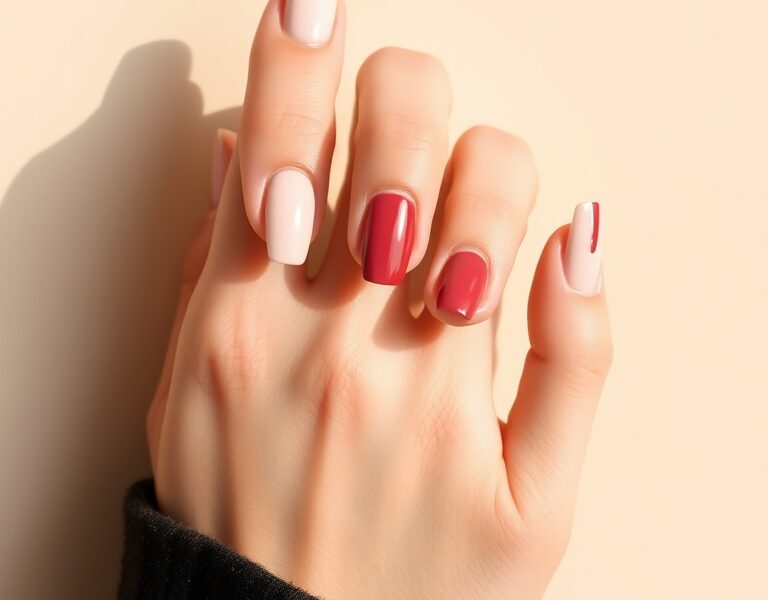
This nail shapes guide is designed to take the guesswork out of your next salon visit or at-home manicure. I have spent years observing how different silhouettes change the entire appearance of a hand, and the truth is that the “right” shape depends entirely on your anatomy, your daily habits, and the vibe you want to project.
Why Your Nail Shape Actually Matters
You might think a few millimeters of filing don’t make a difference, but the geometry of your nail can visually alter your finger length and the width of your nail bed. For example, a blunt square edge can make a wide nail bed look even wider, while a tapered point can create the illusion of longer, more slender fingers. Understanding the physics of these shapes allows you to balance your proportions.
Beyond aesthetics, there is the practical side. If you work in healthcare, a long stiletto nail is a liability. If you spend your day typing on a keyboard, a sharp square corner might snag on your keys or clothes. Choosing a shape is a balance between fashion and function.


Exploring the Most Popular Types of Nail Shapes
Before we get into how to choose, let’s break down the most common silhouettes you will encounter in a professional setting.
1. The Round Shape
Round nails follow the natural curve of the fingertip. This is the most low-maintenance option available. Because there are no sharp corners, there is very little to snag or chip. I usually recommend round nails for people with shorter nail beds or those who prefer a clean, athletic, or professional look.
2. The Oval Shape
Oval nails are similar to round ones but are filed slightly more on the sides to create a more elongated, egg-like tip. This shape is a classic for a reason; it is universally flattering and makes the fingers look longer without the fragility of a point.
3. The Square Shape
Square nails have straight side walls and a flat top. This is a bold, architectural look. While it looks striking on long nails, it can make short fingers look a bit stubby. It is a high-impact style, but the corners are prone to chipping if you are hard on your hands.
4. The Squoval Shape
A hybrid of square and oval, the squoval is perhaps the most popular shape in the world. It offers the flat top of a square nail but softens the corners into a curve. This provides the structural strength of a square nail with the elegance of an oval.
5. The Almond Shape
Almond nails are slim sides that taper to a rounded point. They mimic the shape of an actual almond. This is widely considered one of the most sophisticated shapes because it elongates the hand significantly.
6. The Coffin (Ballerina) Shape
The coffin shape is essentially a long square nail that has been tapered. It is called “coffin” because the tip is flat, resembling the shape of a casket. This is a high-fashion look that almost always requires extensions or acrylics to achieve the necessary length.
7. The Stiletto Shape
The most dramatic of all, the stiletto is filed to a sharp, needle-like point. While visually stunning, these are the most fragile and the least practical for daily chores. They are a statement piece, often seen on red carpets or in high-fashion editorials.
Square vs Almond vs Coffin: Which One Wins?
When people ask me to compare square vs almond vs coffin, they are usually trying to decide between a classic, a feminine, or a trendy look. Here is how they stack up in real-world scenarios:
- Square: Best for those with long fingers and narrow nail beds. It creates a wide, strong look. However, it is the most likely to snag on fabric.
- Almond: Best for those who want their fingers to look longer and more slender. It is more durable than a stiletto but more delicate than a square.
- Coffin: Best for those who love long nails and want a modern, edgy aesthetic. It provides more surface area for nail art than the almond shape.
If you are undecided, I always suggest starting with a squoval. It is the “safe” middle ground that looks good on literally every hand type.
Choosing Nail Shape Based on Your Finger Anatomy
Finding the best nail shape for fingers requires a bit of self-analysis. Look at your hands in a mirror and identify your nail bed shape and finger length.
For Short Fingers
If you have shorter fingers, your goal is usually elongation. Avoid square shapes, as the horizontal line of the tip “cuts off” the finger, making it look shorter. Instead, opt for oval or almond shapes. The tapered edges draw the eye upward, creating a vertical line that adds perceived length.
For Wide Nail Beds
p>
If your nail beds are wide, a round or oval shape helps soften the edges. Almond is particularly effective here because it narrows the tip, balancing the width of the base. Avoid very wide square nails, as they can exaggerate the width of the finger.
For Long, Slender Fingers
You have the most flexibility. Square and squoval looks fantastic on long fingers because they add a bit of width and structure to the hand. While almond and oval also look great, you can pull off the bold, blunt edge of a square nail without worrying about your fingers looking short.
Practical Considerations for Choosing Nail Shape
Before you commit to a shape, think about your daily life. Your lifestyle is just as important as your anatomy when choosing nail shape.
The “Desk Job” Test
If you spend eight hours a day typing, very long stiletto or coffin nails can be frustrating. You may find yourself typing with the pads of your fingers rather than the tips. For a professional environment, a short oval or squoval is usually the most efficient.
The “Active Life” Test
Do you garden? Do you lift weights? Do you play an instrument? Long, tapered shapes like almond or stiletto are more prone to snapping under pressure. If you are physically active, a shorter round or squoval shape is far more durable. According to Wikipedia, the structure of the human nail is designed for protection, and maintaining a shape that doesn’t put undue stress on the nail plate is key to long-term health.
The “Maintenance” Test
Some shapes require more upkeep than others. A round nail can be maintained at home with a simple file. A coffin or stiletto shape often requires professional refills and precise filing every two to three weeks to keep the edges crisp and symmetrical.
Step-by-Step: How to Shape Your Nails at Home
If you want to experiment with the styles in this nail shapes guide, you can do it yourself. Here is the professional way to approach it.
- Prepare the Nail: Start with clean, dry nails. Avoid filing immediately after a shower, as nails are softer and more prone to splitting.
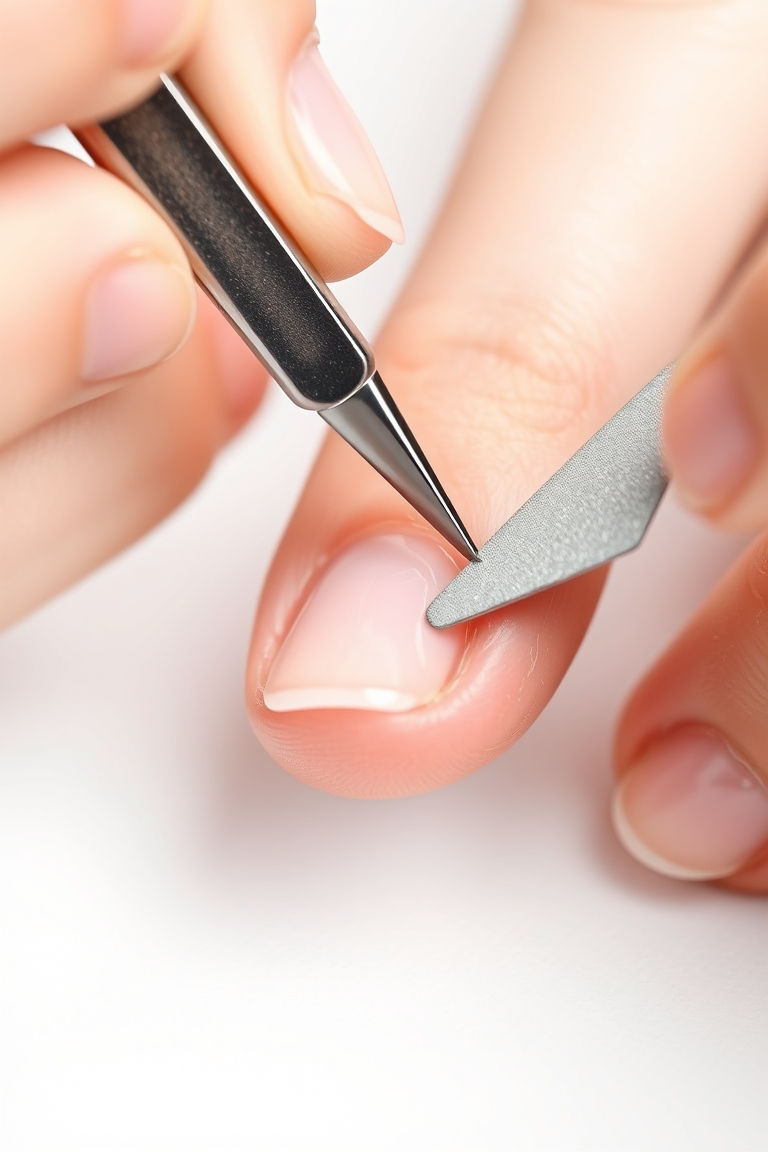
- Choose the Right File: Use a glass file or a high-grit emery board. Avoid metal files, which can cause microscopic tears in the nail plate.
- File in One Direction: This is the most common mistake. Do not “saw” back and forth. File from the outer edge toward the center in one fluid motion. This prevents peeling.
- Check Your Symmetry: Frequently hold your hand up and look at the nail from the perspective of someone else. This helps you see if one side is steeper than the other.
- Smooth the Edges: Once you have the shape, use a buffer to remove any jagged bits of nail hanging from the underside.
If you find that your natural nails aren’t long enough for the shape you want, you can explore professional enhancements at a trusted nail salon to get the length needed for a coffin or almond look.
Common Mistakes to Avoid
In my experience, most people make the same three mistakes when shaping their nails. First, they file too deep into the sidewalls. This weakens the nail and can lead to painful breaks. Always keep the structural integrity of the side walls intact.
Second, they try to achieve a stiletto shape on natural nails that are too thin. Without the support of gel or acrylic, a sharp point is almost guaranteed to crack. If your natural nails are brittle, stick to round or squoval.
Third, they ignore the “growth gap.” Remember that as your nails grow, a square shape will start to look like a squoval, and an almond shape may become too pointed. Schedule your maintenance based on your growth rate.
Summary Table: Quick Reference Guide
To make this nail shapes guide even easier to use, here is a quick summary of which shape to choose based on your goal.
- Goal: Longest looking fingers $\rightarrow$ Almond or Oval
- Goal: Maximum durability $\rightarrow$ Round or Squoval
- Goal: Modern/Trendy look $\rightarrow$ Coffin or Stiletto
- Goal: Professional/Clean look $\rightarrow$ Round or Square
- Goal: Versatility $\rightarrow$ Squoval
Final Thoughts on Finding Your Signature Shape
Your nails are an extension of your personal style. While the rules of anatomy provide a great starting point, the most important factor is how you feel. If you love the look of long stiletto nails despite having short fingers, go for it. The beauty of modern nail technology is that we can create almost any silhouette regardless of our natural starting point.
Experiment with different shapes over a few months. Try a squoval for a while, then switch to an almond. You might find that your preference changes with the seasons—perhaps a bold coffin shape for winter and a soft, natural round shape for summer.
Frequently Asked Questions
What is included in a comprehensive nail shapes guide?
A complete guide should cover the visual characteristics of each shape, how those shapes affect the appearance of the hand, the pros and cons of durability for each, and how to choose a shape based on your specific nail bed and lifestyle.
Which nail shape is the strongest for natural nails?
Generally, the squoval and round shapes are the strongest. Because they lack sharp, protruding corners, they are less likely to snag on objects and less prone to the structural stress that causes cracking in the center of the nail.
Can I change my nail shape if I have very wide nail beds?
Yes. While you cannot change the actual width of your nail bed, you can change the perception of it. Filing your nails into an almond or oval shape tapers the tip, which draws the eye inward and makes the overall look of the finger appear narrower.
Do I need acrylics to get a coffin shape?
While not strictly mandatory, it is very difficult to achieve a true coffin shape with natural nails unless they are exceptionally long and strong. Most people use acrylics, gel extensions, or polygel to provide the length and structural support needed to maintain the flat tip and tapered sides.
How often should I re-shape my nails?
Depending on your growth rate, most people should refine their shape every 1 to 2 weeks. This prevents the corners from becoming too sharp or the tips from becoming uneven as the nail grows out.
Leave a Reply