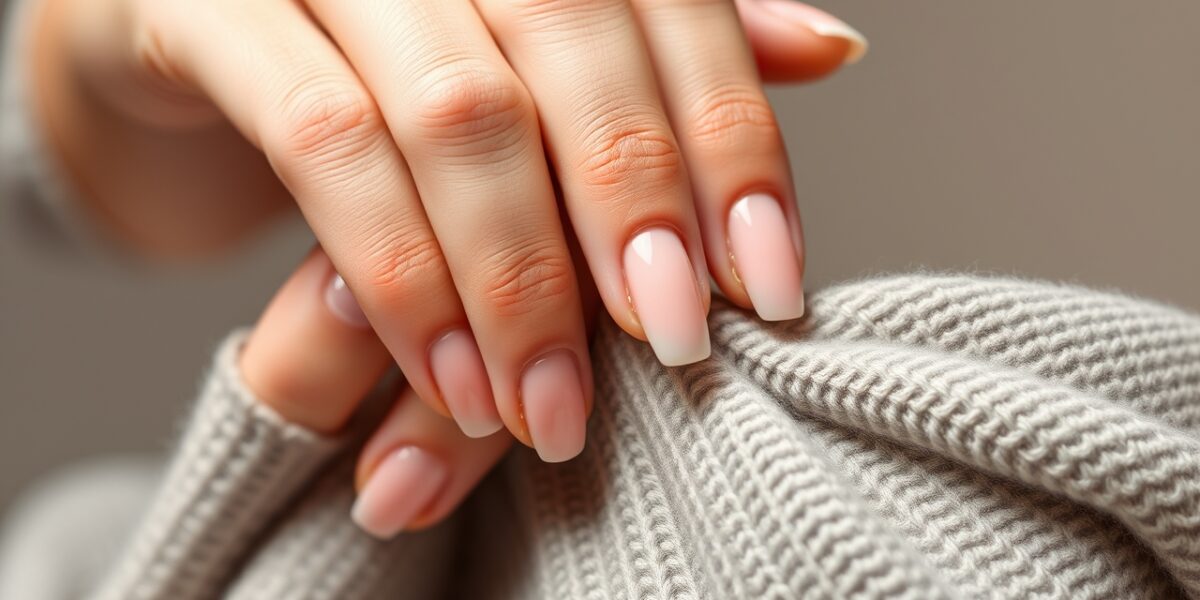
When you step into a nail salon, the aluminized glass of the waiting room reflects the promise of a new look, but the first question that often lingers is: What nail shape should I choose? The answer isn’t a one‑size‑fits‑all recommendation. It’s a blend of anatomy, lifestyle, and personal flair. This nail shapes guide will walk you through the anatomy of the nail, the most popular shapes, how to match a shape to your fingers, and practical tips for keeping your nails healthy and stylish.
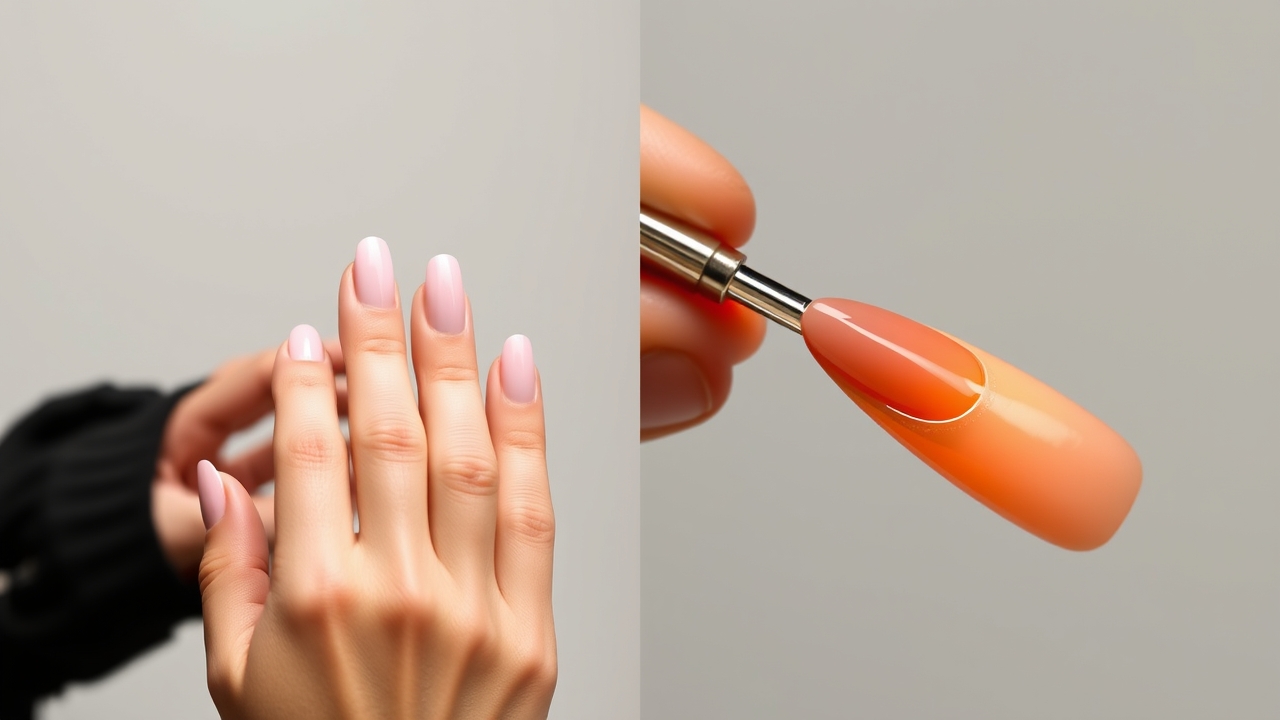
Understanding Nail Anatomy
Before you can pick a shape, you need to understand the parts of the nail that interact with it.
- Fingertip – the bone and soft tissue that the nail covers. A wider fingertip usually supports a broader nail shape.
- Plate – the hard, translucent surface you paint. Its width and curvature dictate how a shape will look.
- Cuticle – the skin that overlaps the base of the nail. A well‑maintained cuticle gives a shape a clean edge.
- Tip – the outermost part of the nail that meets the skin. It can be rounded, squared, or tapered, and it’s the most visible part when you’re showing off a manicure.
When you look at your nails, notice how the plate’s width changes from base to tip. A narrow plate will look awkward with a coffin shape, while a wide plate can handle a square or almond without feeling cramped.


Types of Nail Shapes
Below is a quick reference for the most common styles, along with concrete examples of how they appear on different hand types.
- Square – a flat, blunt tip that gives a modern, geometric look. Ideal for short, wide nails.
- Almond – a gently tapered tip that resembles a teardrop. Works well on medium‑length nails and adds a subtle elegance.
- Coffin (or ballerina) – a long, rectangular shape with a slightly rounded top. Popular among fashion‑forward clients and those who want a dramatic silhouette.
- Oval – a soft, rounded tip that elongates the nail without sharp angles. Perfect for those who want a natural, understated look.
- Round – the classic, gently curved shape that many people start with. It’s forgiving and easy to maintain.
- Stiletto – a sharp, pointed tip that adds height and drama. Best suited for short nails and for clients who enjoy bold statements.
For a deeper dive into how the biology of your nail influences which shape looks best, check out the Nail (body part) article.
Choosing the Best Nail Shape for Your Fingers
Here’s a practical framework that turns anatomy into a decision‑making tool:
- Measure your nail bed – Use a ruler or a nail measuring tool to record the length from the cuticle to the tip, and the width at the base.
- Match length to finger length – Short fingers pair best with compact shapes (square, round). Long fingers can accommodate longer shapes (almond, coffin).
- Match width to fingertip width – Wide fingertips look natural with broader shapes (square, oval). Narrow fingertips look best with tapered shapes (almond, stiletto).
- Consider daily activity – If you type a lot, a blunt tip reduces the risk of snagging. If you’re a chef, a rounded shape prevents accidental cuts.
- Test with a mock‑up – Many salons offer temporary nail tips or a quick‑dry polish to preview how a shape will look on your nails.
For example, a woman with short, wide nails might find a square shape gives a polished, balanced look, while a man with long, narrow nails might prefer an almond shape that elongates the hand.
Square vs Almond vs Coffin – A Side‑by‑Side Comparison
These three shapes dominate salon conversations, but each has nuances that can shift the overall aesthetic.
- Square – Offers a clean, modern edge. It’s low‑maintenance and pairs well with everyday wear. A square shape can make short nails look fuller.
- Almond – Adds a subtle curve that feels feminine and elegant. It works beautifully on medium‑length nails and can be a great choice for formal occasions.t
- Coffin – A bold, elongated silhouette that makes a statement. It’s perfect for those who love a dramatic look but still want a manageable length. Coffin nails also provide a stable base for extensions.
Choosing between them often comes down to personal preference and how the shape aligns with your hand proportions. Don’t hesitate to try each shape in a salon or at home with a nail tip kit before committing.
Practical Tips for Picking the Right Shape
- Use a nail measuring tool – These inexpensive devices give you a quick snapshot of your nail length and width.
- Try a temporary nail tip kit – Many kits come with a variety of shapes. Apply them for a day or two to see how the shape feels during routine tasks.
- Consider your lifestyle – Gamers, chefs, or anyone who spends long hours typing may benefit from a less pointed shape to avoid accidental cuts.
- Plan for maintenance – Shapes with sharp angles (stiletto, coffin) require more frequent filing to stay smooth.
- Consult a professional – A skilled nail technician can map your nail bed and recommend a shape that flatters your hand geometry.
Remember, the best shape is the one that feels comfortable and looks natural to you. Your nails grow, so you can always switch shapes as your style or needs evolve.
Maintaining Your Nail Shape
Once you’ve chosen a shape, keeping it pristine is essential for both appearance and health. Follow these steps for a long‑lasting manicure:
- Trim regularly – Keep nails at a length that suits your shape and lifestyle to avoid splits.
- File in one direction – This reduces the risk of nail breakage and keeps the shape smooth.
- Moisturize cuticles – A healthy cuticle line supports a strong nail plate and prevents hangnails.
- Rotate shapes every 4–6 weeks – Switching shapes can prevent structural stress and keep your nails looking fresh.
- Use a strengthening base coat – A good base coat protects the nail plate from damage caused by polish or daily wear.
By following these practices, you’ll maintain a polished look without compromising nail health.
Common Mistakes When Choosing a Nail Shape
- Overestimating nail length – Long shapes on a narrow nail bed can look disproportionate.
- Ignoring fingertip width – A shape that’s too wide can feel awkward and look cluttered.
- Choosing a shape solely based on trends – Trends change, but comfort and natural fit don’t.
- Neglecting proper filing techniques – Filing too aggressively can thin the nail plate and lead to breakage.
Learning to avoid these pitfalls will save you time, frustration, and unnecessary nail damage.
Additional Factors to Consider
Beyond shape, think about color, polish thickness, and nail art. A bold, saturated color can accentuate a sharp shape, while a subtle hue can soften a dramatic silhouette. If you plan to wear extensions, certain shapes—like coffin or almond—provide a better base for the added length and weight.
When to Reassess Your Nail Shape
Life changes often bring a new need for a different shape. Consider reassessing—for example:
- New job – If you’ll be typing or handling tools, a blunt shape reduces snagging.
- Preparing for a wedding – An almond shape offers elegance without being overly dramatic.
- Pregnancy – Swelling can change fingertip width; a more rounded shape may feel more comfortable.
- Seasonal changes – In winter, a thicker polish can protect against dryness, while in summer, a lighter formula keeps nails breathable.
Reassess your shape every 6–12 months or whenever a major life event occurs.
Professional Help: How a Nail Technician Can Guide You
Many salons offer a nail shape consultation. A technician can:
- Map your nail bed and fingertip shape.
- Recommend a shape that complements your natural anatomy.
- Show you how to maintain the shape at home.
- Provide a quick‑dry mock‑up so you can test the look before committing.
If you’re uncertain, book a session and ask for a personalized recommendation. A professional’s eye can spot subtle mismatches that you might overlook.
Final Advice
Choosing the right nail shape is an art that balances anatomy, lifestyle, and personal style. Use this guide as a starting point, experiment with different shapes, and don’t be afraid to switch up your look. Your nails are an extension of you—make them reflect who you are.
FAQ
- nail shapes guide: how many nail shapes are there? There are at least six common shapes—square, almond, coffin, oval, round, and stiletto—though variations exist.
- What is the best nail shape for short fingers? Short fingers often look best with square or rounded shapes that keep the nail length moderate.
- Can I change my nail shape regularly? Yes, many people rotate shapes every few months to keep nails healthy and stylish.
- Will a coffin shape be too long for my hands? It depends on your nail bed length. If your nails are naturally long, coffin can look balanced; otherwise, it may feel too extended.
- How does nail shape affect nail health? Properly chosen shapes reduce breakage and split tips, but regular maintenance is always necessary.
For more insights on nail care and design, visit our community where experts share tips, trends, and tutorials.
Leave a Reply