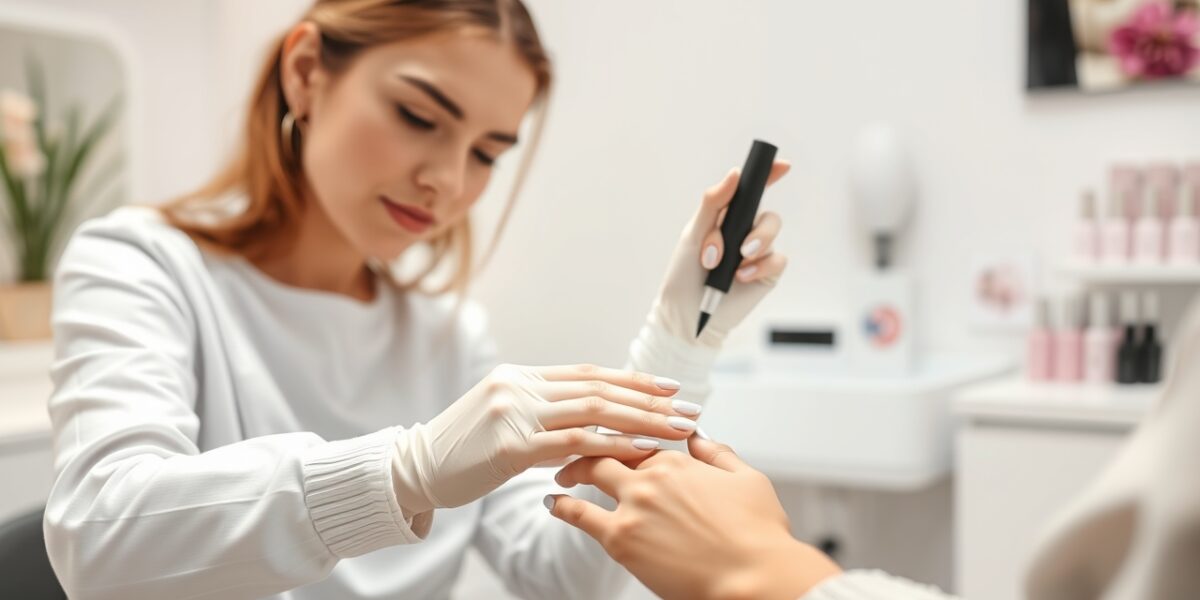
Dip powder vs gel is one of the most debated topics among nail enthusiasts and professionals alike. While both methods promise a long‑lasting, glossy finish, they differ in chemistry, technique, and aftercare. Understanding these nuances can help you decide which system suits your lifestyle, budget, and nail health.
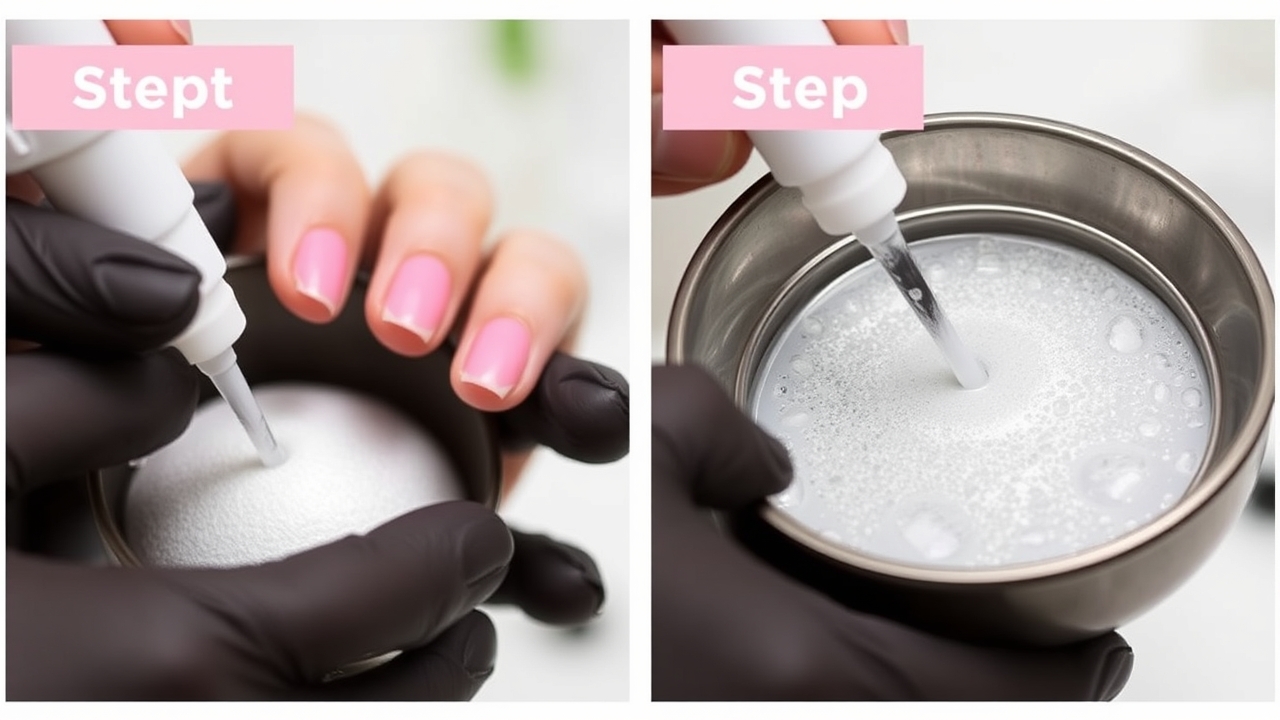
Dip Powder vs Gel: The Core Differences
At first glance, dip powder and gel may look similar, but their underlying processes are distinct.
- Composition: Dip powder is a fine polymer powder that is activated by a liquid activator. Gel is a liquid resin that hardens under UV or LED light.
- Application: Dip powder requires a base coat, powder layers, and a final top coat, whereas gel needs a base coat, gel layers, and curing between each coat.
- Durability: Dip powder typically lasts 3–4 weeks; gel lasts 2–3 weeks.
- Removal: Dip powder is soaked in acetone; gel is soaked in a stronger acetone solution or a specialized gel remover.
- Health Impact: Both expose nails to chemicals; dip powder may cause more dryness, gel may cause slight UV exposure.
Understanding the Science Behind the Finish
Both dip and gel systems rely on polymerization, but the pathways differ. In dip powder, the activator contains a solvent that temporarily swells the powder particles, allowing them to bond into a rigid matrix. The result is a semi‑solid shell that can be sanded or buffed like acrylic. Gel, on the other hand, uses photoinitiators that trigger a rapid chain reaction when exposed to UV/LED light. The liquid monomers cross‑link into a flexible yet hard film. Because gel cures in seconds, the layers remain thinner, which can give a more natural look but also a higher chance of lifting if not properly cured.


Step‑by‑Step: Dip Powder at Home (Detailed)
- Prep the Nail: Start with clean, dry nails. File to shape, push cuticles gently with a cuticle pusher, and lightly buff the surface to remove shine.
- Apply Base Coat: Use a high‑quality dip base (e.g., Essie Dip Base Coat). Apply a thin layer and let it dry for 30–60 seconds.
- First Powder Layer: Dip a clean brush or pad into the powder, tap off excess, and apply a small amount of activator. The powder should set within 30 seconds.
- Second Powder Layer: Repeat the dip and activator step. Aim for a total thickness of 1–2 mm.
- Top Coat: Finish with a clear top coat and cure under a UV lamp for 30–60 seconds to seal the finish.
- Polish: Buff lightly and apply a final shine coat if desired.
- Clean Up: Wipe away any powder residue with a lint‑free pad soaked in acetone.
Step‑by‑Step: Gel at Home (Detailed)
- Prep the Nail: File, push cuticles, and buff lightly.
- Apply Base Coat: Use a gel base (e.g., OPI GelColor Base). Cure 30–60 seconds under a UV/LED lamp.
- First Gel Layer: Apply a thin layer of gel polish. Cure 30–60 seconds.
- Second Gel Layer: Apply a second layer for thickness. Cure again.
- Top Coat: Apply a gel top coat and cure.
- Finish: Wipe off the tacky film with a lint‑free pad soaked in gel remover.
Which Lasts Longer Nails: Dip Powder or Gel?
When it comes to longevity, dip powder generally has the advantage. The polymer matrix of dip powder creates a thicker, more resistant shell. A well‑applied dip manicure can last up to 4 weeks before chips or cracks begin. Gel nails, while durable, typically last 2–3 weeks before the finish starts to lift or peel. The difference stems from the thicker base of dip powder and the fact that gel layers are more prone to lifting if not properly cured.
Pros and Cons of Dip Powder
Dip Powder Pros
- Longer wear time (3–4 weeks).
- Higher durability against everyday wear.
- Can be applied in a salon or at home with minimal equipment.
- Less UV exposure than gel.
- Variety of colors and finishes.
Dip Powder Cons
- Removal can be harsh on nails if not done properly.
- Requires a good activator; if the powder doesn’t set, it can be messy.
- Potential for nail dehydration if over‑cured.
- Some users report a slight odor from the powder.
Gel vs Dip: A Side‑by‑Side Evaluation
Comparing gel vs dip reveals key trade‑offs. Gel offers a quicker application and a more natural look due to thinner layers. Dip, on the other hand, excels in strength and longevity but may feel slightly heavier. The choice often depends on whether you prioritize speed or durability.
Health Considerations: Nail Safety with Dip Powder and Gel
Both systems expose nails to chemicals. Dip powder uses a liquid activator that can be irritating if inhaled, while gel relies on UV/LED light, which may affect skin around the nails. Using a well‑ventilated space and protective gloves can mitigate these risks. Regularly giving nails a break from artificial coatings helps maintain natural nail health.
Choosing the Right System for Your Lifestyle
Ask yourself the following questions:
- How long do I want my manicure to last?
- Do I have time for multiple curing steps?
- Am I comfortable with a slightly heavier finish?
- Have I experienced any adverse reactions to past nail products?
- Is UV exposure a concern for me?
Answering these will guide you to either dip powder or gel.
Tips for a Successful Dip Powder Manicure at Home
- Use a high‑quality base coat that seals the nail.
- Keep the powder layers thin; avoid over‑dipping.
- Apply the activator promptly; let each layer set for 30 seconds.
- Finish with a top coat and a quick UV cure.
- Store leftover powder in a sealed container to prevent clumping.
Common Mistakes to Avoid with Gel Nails
- Skipping the base coat—this can cause lifts.
- Leaving the gel uncured—results in a sticky finish.
- Using a lamp that’s too dim—may lead to weak layers.
- Applying too much gel—creates a thick, unskilled look.
- Not removing properly—can damage the natural nail.
Maintenance and Care: Extending Life of Both Finishes
- Use a gentle hand cream to keep cuticles soft.
- Avoid harsh chemicals like bleach or ammonia.
- Wear gloves when doing household chores.
- Schedule a quick touch‑up every 10–12 days.
- Give nails a break every 4–6 weeks.
Cost Breakdown and Value for Money
When budgeting for a manicure, consider the upfront kit cost and ongoing consumables. A dip powder kit typically includes a base coat, powder, activator, top coat, and a small UV lamp—totaling $30–$60 for a beginner kit. Gel kits are similar, but the lamp is often the biggest expense, ranging from $50 for a basic LED lamp to $200 for a high‑end UV/LED combo. Over time, the cost of consumables (powder or gel polish) can add up, but both systems offer a high wear time that can offset the initial investment.
Top Brands to Consider
- Dip Powder: Essie Dip, OPI Dip, CND Shellac (dip variant).
- Gel: OPI GelColor, Gelish, Essie Gel, CND Shellac.
- Choose a brand that offers a full color range and a clear top coat for a polished finish.
Environmental Impact and Sustainability
Both dip and gel systems use synthetic polymers that are not biodegradable. However, dip powder can be more eco‑friendly if you opt for refillable powder containers and avoid single‑use plastic packaging. Gel systems often come in single‑use bottles, but some brands now offer refill options. Regardless, proper disposal of used nail products is essential—many salons accept used gel polish for recycling.
Common Myths Debunked
- Myth: Dip powder is always stronger than gel. Reality: While dip powder is thicker, a well‑applied gel can match its durability.
- Myth: Gel nails are always healthier. Reality: Gel’s UV exposure can be a concern; dip’s activator can irritate the skin.
- Myth: Dip powder is harder to remove. Reality: With proper acetone soak and gentle buffing, removal is straightforward.
Professional vs DIY: Pros and Cons
- Professional: Consistent application, access to high‑quality tools, and immediate removal services.
- DIY: Cost‑effective in the long run, flexibility in color choice, and the satisfaction of creating your own look.
FAQ
- Q: Dip powder vs gel: Which is better for long‑lasting nails? A: Dip powder generally provides a longer wear time, up to 4 weeks, compared to gel’s 2–3 weeks.
- Q: Is dip powder safe for natural nails? A: When applied correctly and removed gently, dip powder is safe; however, over‑cure or improper removal can cause damage.
- Q: Can I do a dip powder manicure at home? A: Yes, with the right tools and a bit of practice, dip powder can be applied at home.
- Q: What is the main difference between dip vs gel polish? A: Dip powder uses a powder and activator, while gel polish is a liquid resin cured under UV/LED light.
- Q: Does gel affect nail health more than dip powder? A: Both can affect nail health if overused; however, gel’s UV exposure is a unique factor to consider.
- Q: How do I choose between a UV and LED lamp for gel? A: LED lamps cure faster (30–60 s) and emit less UV, making them safer for frequent use.
- Q: Are there eco‑friendly options for dip powder or gel? A: Some brands offer refillable powder containers and biodegradable packaging; look for labels like “eco‑friendly” or “recyclable.”
For more insights into nail care trends and professional tips, visit Nailspalist and explore our extensive resources on nail health and salon techniques.
To learn more about the science behind dip powders, check out the Dip Nail page on Wikipedia.
Leave a Reply