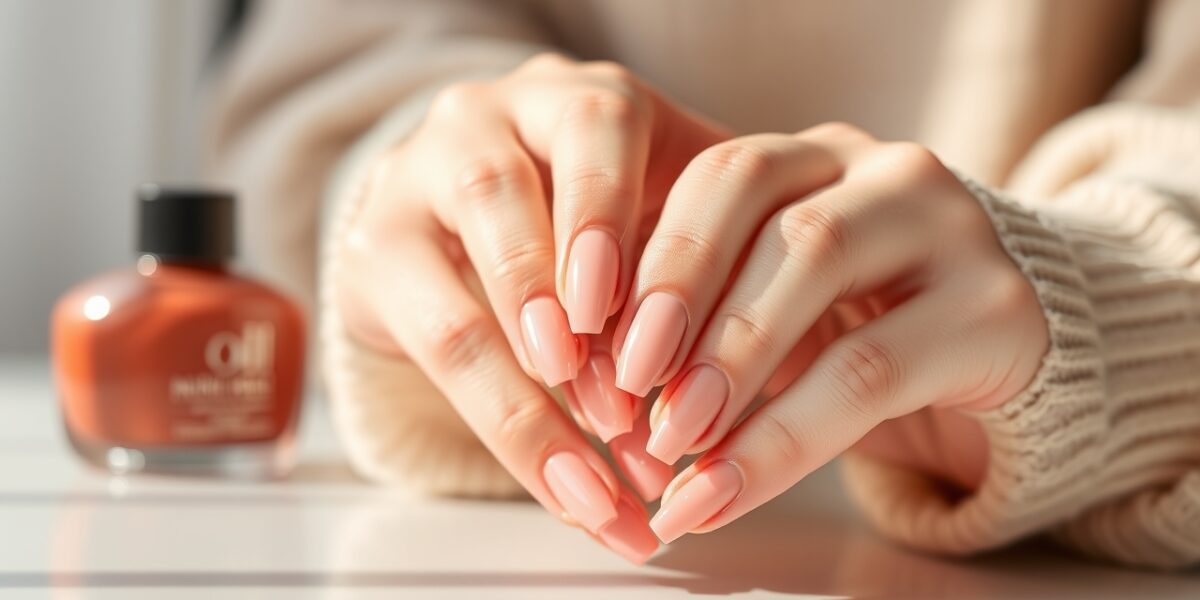
nail shapes guide is your roadmap to selecting the ideal nail silhouette that flatters your fingers and lifestyle.
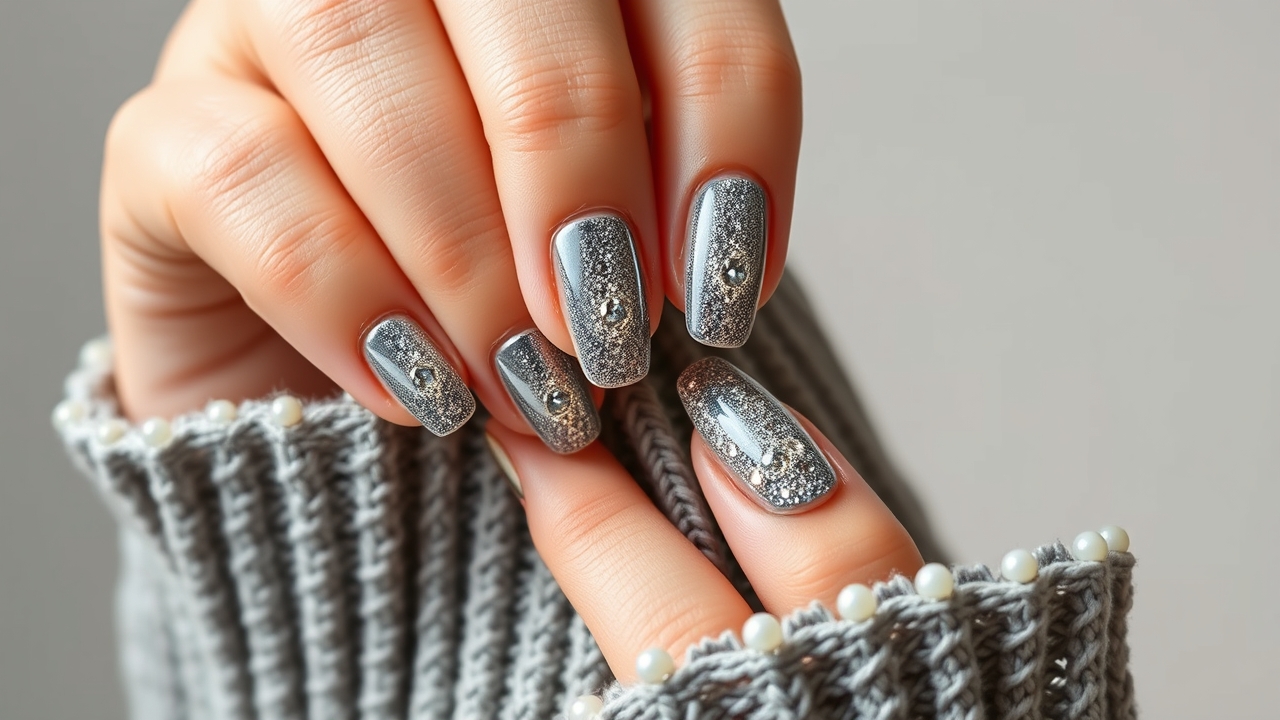
nail shapes guide
Choosing a nail shape feels like picking a pair of shoes: you want something that fits, feels comfortable, and suits the occasion. A well‑chosen shape can elongate your fingers, hide imperfections, and even influence how your hand is perceived in professional or social settings.
Below is a step‑by‑step guide that covers the most popular shapes, how to decide among them, and practical advice for shaping and caring for your nails.


Common Nail Shapes
Before diving into a detailed comparison, let’s list the most frequently requested shapes in salons and at home.
- Round – Classic, most natural, good for beginners.
- Square – Straight edges, a bold statement.
- Almond – Slightly tapered, elegant.
- Coffin (or Ballerina) – Long, flat tip that mimics a coffin lid.
- Stiletto – Pointed, dramatic, often reserved for special occasions.
- Oval – Soft curves, flattering for many hand shapes.
Types of Nail Shapes
Each shape offers unique visual effects and maintenance considerations. Below we break them down.
Round
Rounded tips are the most understated. They’re forgiving for people with short nails or those new to manicures. The curve mimics the natural nail shape, making it a safe default.
Square
Square nails have a flat tip with sharp corners. They provide a modern, edgy look and are great for those who want a structured silhouette. However, they can be more prone to chipping at the corners.
Almond
Almond nails taper slightly towards the tip, creating a subtle almond shape. They strike a balance between the natural look of round nails and the boldness of square nails.
Coffin
Also called the ballerina shape, coffin nails are long with a flat, rectangular tip. They elongate the fingers and are popular for formal events. They require careful maintenance to keep the edges smooth.
Stiletto
Stiletto nails are sharply pointed, resembling a stiletto shoe. They’re a bold choice for performance wear but can be fragile. The shape is best suited for those who enjoy a dramatic statement.
Oval
Ovals are gently curved at the tip, softer than round nails. They’re versatile and can be adapted to many hand types, offering a graceful, elongated effect.
How to Choose the Best Nail Shape for Your Fingers
Deciding on a shape isn’t a one‑size‑fits‑all. Consider these factors:
- Hand and finger length: Long fingers often pair well with coffin or almond shapes, while short fingers look balanced with round or square.
- Nail bed width: Wide nails can accommodate bold shapes like coffin, but very narrow nails may look disproportionate.
- Lifestyle: Active professionals may prefer low maintenance shapes like round or oval. Those who attend formal events might choose coffin or stiletto.
- Work environment: If you work with your hands or tools, a short, sturdy shape like square or round can prevent breakage.
- Personal style: Your everyday fashion sense—minimalist, edgy, or glam—should guide your choice.
Ask yourself: Do I want a shape that’s low maintenance, or am I willing to invest time in upkeep for a dramatic look? The answer will narrow your options.
Square vs Almond vs Coffin: Pros & Cons
These three shapes are often debated. Here’s a quick comparison.
Square
- Pros: Modern look, easy to apply polish, strong structure.
- Cons: Corners chip easily, may appear blunt for very short nails.
Almond
- Pros: Elegant taper, flattering for most hand shapes, minimal chipping.
- Cons: Requires precise shaping, can look too narrow for wide nails.
Coffin
- Pros: Elongates fingers, dramatic for formal wear, unique silhouette.
- Cons: Needs regular maintenance, can be fragile, may not suit short nails.
Materials & Tools for At‑Home Shaping
Having the right kit can make all the difference. Here’s what you’ll need for a flawless manicure:
- Nail file: A 80–120 grit file is ideal for shaping. For a smoother finish, follow with a 400–600 grit buffer.
- Cuticle pusher or orange stick: Helps lift and trim cuticles without damaging skin.
- Cuticle oil or balm: Keeps the cuticle area moisturized.
- Base coat: Protects nails from staining and provides a primer for polish.
- Top coat: Adds shine and extends the life of your color.
- Nail clippers: For quick trimming before filing.
Step‑by‑Step Shaping Guide for Each Nail Shape
Round Nails
- Trim nails to your desired length.
- File from cuticle to tip in a single direction, creating a gentle curve.
- Check symmetry; adjust if one side is noticeably longer.
- Apply base coat, then two thin layers of color.
- Seal with top coat.
Square Nails
- Trim to a level that matches your finger width.
- File straight across the top, then angle the corners to a 45‑degree angle.
- Ensure corners are even; use a small file for fine adjustments.
- Apply base coat, color, and top coat as usual.
Almond Nails
- Trim to a length that is roughly 1.5–2 cm.
- File the nail in a single direction, tapering slightly toward the tip.
- Use a fine file to refine the taper, keeping the curve subtle.
- Finish with base, color, and top coat.
Coffin Nails
- Trim to a length that is 2–3 cm, leaving a flat tip.
- Use a sharp file to create a rectangular top, then smooth the edges.
- Check the angle of the corners; they should be slightly rounded for safety.
- Apply a strengthening base coat, then polish and top coat.
Stiletto Nails
- Trim to a length that is comfortable for your hand.
- File the nail in a single direction, gradually narrowing the tip to a sharp point.
- Use a diamond file or a fine grit file to smooth the edges.
- Apply a protective base, color, and a high‑gloss top coat.
Oval Nails
- Trim to a moderate length.
- File in a single direction, creating a gentle curve at the tip.
- Ensure the curve is symmetrical; adjust as needed.
- Finish with base, color, and top coat.
Professional Nail Care Tips
Even with the best at‑home technique, a pro can refine the shape. Ask your nail technician to:
- Use a high‑quality ramp file for precise angles.
- Apply a strengthening base to prevent breakage.
- Check for uneven edges and smooth them with a diamond file.
- Ensure the cuticle is trimmed and moisturized for a polished look.
Maintaining Your Nail Shape
Shape is only half the battle; maintaining it keeps your nails healthy and attractive.
- Regular touch‑ups: Re‑file and polish every 2–3 weeks to keep edges sharp.
- Moisturize: Apply cuticle oil and hand lotion daily to prevent dryness and cracking.
- Protective gloves: Wear gloves when doing household chores to avoid water damage.
- Avoid harsh chemicals: Use mild detergents and avoid prolonged exposure to solvents.
Common Mistakes to Avoid
- Over‑filing: Filing too aggressively can thin the nail and cause brittleness.
- Using a buffer first: Buffers smooth the nail surface but also remove the natural ridges that give shape.
- Neglecting cuticle care: Dry cuticles can split and lead to infections.
- Skipping base coat: A base coat protects the nail from staining and improves polish adhesion.
How to Transition Between Nail Shapes
Shifting from one silhouette to another is easier than you think. Follow these steps:
- Assess your current shape and nail length.
- Trim to a neutral length that works for both shapes.
- File to the new shape, taking care to maintain symmetry.
- Apply a strengthening base coat.
- Finish with your chosen polish and top coat.
Seasonal & Trend Considerations
Fashion trends influence nail shapes. For example:
- Spring and summer often favor lighter, softer shapes like oval and almond.
- Fall and winter may bring bold, structured shapes like square and coffin.
- Special events (weddings, parties) can be a chance to try stiletto or coffin for drama.
Nail Shape & Nail Health
Choosing the right shape can also protect your nails:
- Short shapes (square, round) reduce the risk of snagging on objects.
- Long shapes (coffin, almond) may need more moisture to prevent dryness.
- Sharp shapes (stiletto) can be more prone to breakage if handled roughly.
FAQ
- nail shapes guide: what is the most popular nail shape? Round and square shapes remain the most popular due to their versatility and low maintenance.
- How often should I file my nails to keep the shape? File every 2–3 weeks, or as soon as you notice the shape beginning to flatten.
- Can I switch between nail shapes during the year? Absolutely! Many people switch shapes to match seasonal trends or changes in wardrobe.
- Do certain nail shapes protect the nail better? Shorter shapes like square provide more structural support, reducing the risk of breakage.
- Where can I find more detailed nail care routines? Visit our community page on Nailspalist.com for in‑depth guides and tips.
- What nail shape is best for a professional setting? A subtle oval or round shape is usually safest, as it looks polished and doesn’t distract.
- Can I use gel polish with any nail shape? Yes, but keep the shape in mind—gel can be harder to remove from sharp or long shapes.
- How do I keep my nails strong if I like long shapes? Use a strengthening base coat, moisturize daily, and avoid harsh chemicals.
- Is it okay to file my nails in both directions? No—filing in one direction preserves the natural ridges and reduces splitting.
- What should I do if my nails start to look uneven? Trim, re‑file gently, and consider a professional touch‑up to restore symmetry.
Remember, the best nail shape is one that feels natural to you, fits your lifestyle, and can be maintained comfortably. Use this nail shapes guide to experiment, refine, and ultimately showcase the best version of your hands.
Leave a Reply