
How long do acrylic nails last? The answer depends on a mix of technique, care, and lifestyle. In this guide, we’ll break down the factors that influence durability, give you realistic expectations for a typical acrylic set, and share expert tips for extending their life.
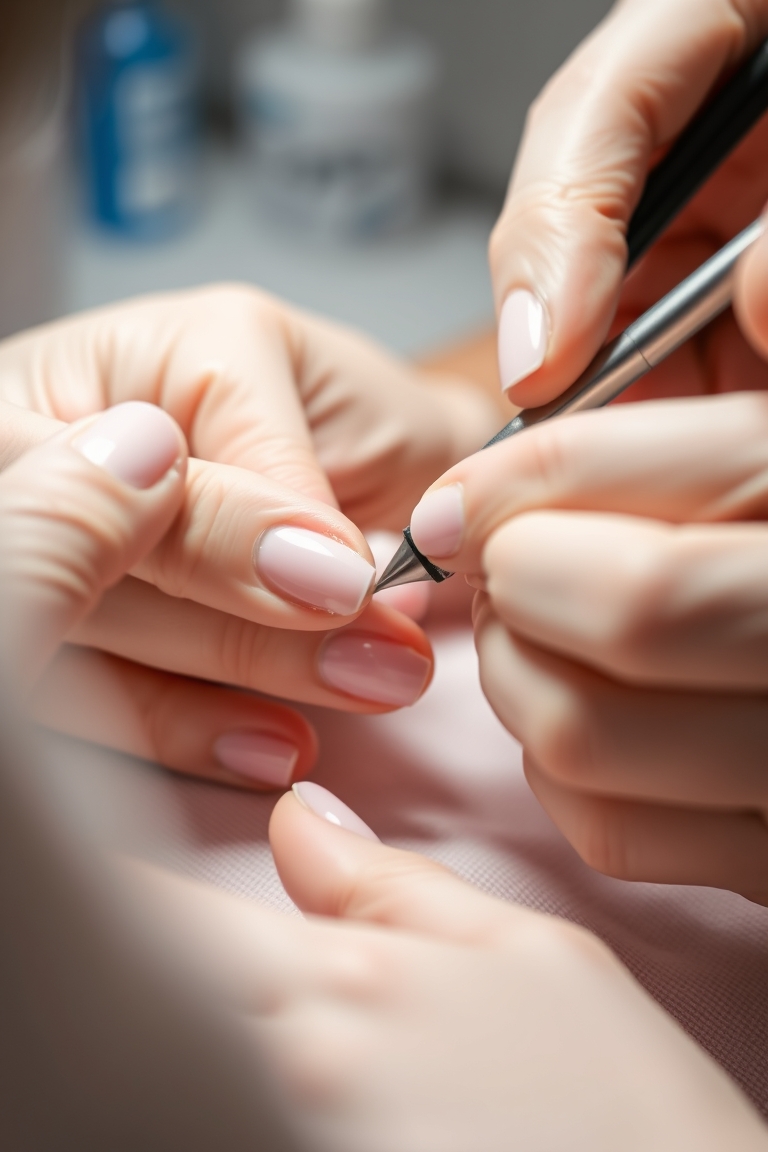
How Long Do Acrylic Nails Last? The Basics
When you ask “how long do acrylic nails last?”, the most common answer is about two to three weeks. That’s the sweet spot for most clients, but it can swing up or down based on a few critical elements.
- Base quality: A well‑applied acrylic base provides a sturdy foundation. If the base is thin or uneven, it will crack sooner.
- Application technique: Experienced technicians use a slightly thicker layer to support the nail. A rushed job can leave weak spots.
- Natural nail health: Healthy, strong nails support acrylic better. Dry, brittle nails may not hold the acrylic as long.
- Daily activities: Jobs that involve a lot of hand use—dishwashing, gardening, or construction—can test the limits of acrylic more than a desk job.
Average Lifespan of Acrylic Nails
Under normal conditions, acrylic nails usually stay intact for about 2 to 3 weeks. That’s why most salons schedule a fill at the 3‑week mark. If you keep your hands dry and avoid harsh chemicals, you might push that window to 4 weeks.


When Acrylics Start to Show Wear
Signs that your acrylics are nearing the end of their life include:
- Visible cracks or chips along the edges.
- A loss of shine or a dull appearance.
- The natural nail beginning to push through the acrylic.
- An overall feeling that the nails feel fragile.
Acrylic Fill Timing: When to Get a Fill
Knowing acrylic fill timing is key to maintaining a polished look without overdoing it. Most professionals recommend a fill around 3 weeks after the initial set. However, the exact timing can vary:
- For clients with a very active lifestyle, a 2‑week fill might be necessary.
- If you have a more relaxed routine, you can often wait until the 4th week.
- Always listen to your nails—if they show early signs of wear, don’t wait for the calendar.
How to Schedule Your Fill
Plan your next appointment in advance. If you’re traveling or have a busy schedule, ask your technician to give you a reminder a week before the fill. This helps you avoid a sudden, last‑minute appointment.
Acrylic Maintenance: Extending Their Life
Proper acrylic maintenance can extend the life of your nails by up to a week. Follow these simple steps daily:
- Keep hands moisturized with a light oil or cuticle cream.
- Avoid prolonged exposure to water and detergents; wear gloves when cleaning.
- Never use the nails as tools—this can cause chips.
- Use a gentle nail brush to keep the surfaces clean.
- Apply a top coat every 2–3 days to maintain shine and protect against scratches.
When to Seek Professional Help
If you notice any sharp cracks or if the acrylic feels loose, contact your salon promptly. Trying to fix cracks on your own can lead to further damage.
Professional vs DIY Acrylics: Who Should Get Which?
While DIY acrylic kits are tempting, the quality of the application matters. A professional technician will:
- Use a sterile environment to reduce infection risk.
- Apply the acrylic with proper thickness and shape.
- Check your natural nail health and recommend the best style for you.
DIY acrylics may last 1–2 weeks at most, especially if the user rushes the process or uses low‑quality materials.
Debunking Common Myths About Acrylic Nails
- Myth: Acrylics are permanently attached. Reality: Acrylics are designed to be removed; a professional can safely take them out in 2–3 minutes.
- Myth: Acrylics will damage your natural nails. Reality: When applied correctly, acrylics do not harm the natural nail; they actually protect it from breakage.
- Myth: Acrylics are only for the bold. Reality: Subtle, natural shades are available and can be a great everyday look.
Deep Dive: The Science Behind Acrylic Nails
Acrylic nails are a polymer composite made from a liquid monomer (usually ethyl methacrylate) and a powder polymer (often polymethyl methacrylate). When mixed, they undergo a polymerization reaction that hardens the material into a rigid shell. The key to longevity lies in the ratio of monomer to polymer and the amount of air trapped during mixing. A higher monomer content can make the acrylic softer and more flexible, but if too much is used, it may lead to a weaker structure that cracks sooner.
Choosing the Right Acrylic Formula
- Standard Acrylic: The most common type, offering a balanced hardness and flexibility. Ideal for everyday wear.
- Soft Acrylic: Contains a higher monomer ratio for a more flexible finish, suitable for clients who need a lighter feel.
- Hard Acrylic: Lower monomer content for maximum durability, often used for sculpted designs or for clients who frequently use their hands for heavy tasks.
Step‑by‑Step: How a Professional Fill Works
Understanding the fill process can help you anticipate how long your nails will last and what to expect during the appointment.
- 1. Nail Assessment: The technician checks the natural nail for any damage and ensures the acrylic is still firmly bonded.
- 2. Removing Old Acrylic: The old acrylic is gently pushed off with a cuticle pusher, leaving the natural nail clean.
- 3. Preparing the Base: A fresh layer of acrylic powder is applied to the natural nail to create a new foundation.
- 4. Sculpting the Shape: The technician shapes the new acrylic to match the original length and style.
- 5. Finishing Touches: A top coat is applied, and the nails are buffed for a smooth, glossy finish.
What to Expect During a Fill
Most fills take 30–45 minutes and cost roughly $15–$25, depending on your salon and the complexity of the design. The process is painless, but you may feel a slight pressure when the acrylic is being sculpted.
Common Problems and How to Fix Them
- Cracking: Often caused by a thin base or over‑exposure to water. A quick fix is to apply a fresh layer of acrylic over the crack, but this should be done by a professional.
- Peeling: Usually a sign of a weak bond. Removing the acrylic and reapplying a new base can resolve the issue.
- Allergic Reaction: Rare, but some people may react to the monomer. If you experience itching or swelling, contact your dermatologist and have your nails removed immediately.
Daily Care Routine: A Checklist
Incorporating a few habits into your daily routine can make a huge difference in how long your acrylics last.
- Morning: Apply a light cuticle oil and massage your nails to promote circulation.
- During the Day: Wear nitrile gloves when washing dishes, cleaning, or handling chemicals.
- Evening: Use a gentle nail brush to remove any debris and apply a top coat to seal the surface.
- Weekly: Schedule a fill or a quick touch‑up if you notice early signs of wear.
Eco‑Friendly Considerations
Traditional acrylics use solvents that can be harmful to both users and the environment. Some salons now offer green acrylic options that use lower‑toxic monomers and recyclable packaging. If sustainability is a priority for you, ask your technician about eco‑friendly alternatives.
Professional vs DIY Acrylics: Who Should Get Which?
While DIY acrylic kits are tempting, the quality of the application matters. A professional technician will:
- Use a sterile environment to reduce infection risk.
- Apply the acrylic with proper thickness and shape.
- Check your natural nail health and recommend the best style for you.
DIY acrylics may last 1–2 weeks at most, especially if the user rushes the process or uses low‑quality materials.
Debunking Common Myths About Acrylic Nails
- Myth: Acrylics are permanently attached. Reality: Acrylics are designed to be removed; a professional can safely take them out in 2–3 minutes.
- Myth: Acrylics will damage your natural nails. Reality: When applied correctly, acrylics do not harm the natural nail; they actually protect it from breakage.
- Myth: Acrylics are only for the bold. Reality: Subtle, natural shades are available and can be a great everyday look.
Frequently Asked Questions
How long do acrylic nails last?
Most acrylic sets stay intact for 2 to 3 weeks under normal conditions. With proper care, you might extend that to 4 weeks.
What is the best time to get a fill for acrylic nails?
Typically around 3 weeks after the initial set, but the exact timing depends on your lifestyle and how quickly your nails show wear.
Can I keep acrylic nails for more than a month?
It’s possible, but you’ll need to schedule regular fills and maintain strict nail care routines. Over‑extending can lead to damage.
How do I care for my acrylic nails at home?
Moisturize, avoid harsh chemicals, use gloves, and apply a top coat every few days. Keep the nails clean and avoid using them as tools.
Is it safe to use acrylic nails every week?
Frequent acrylic use can weaken natural nails. Most experts recommend at least a 2–3 week break between applications.
For more nail care tips, explore our website and keep your nails healthy and stylish.
Learn more about the science of acrylic nails on Wikipedia.
Leave a Reply