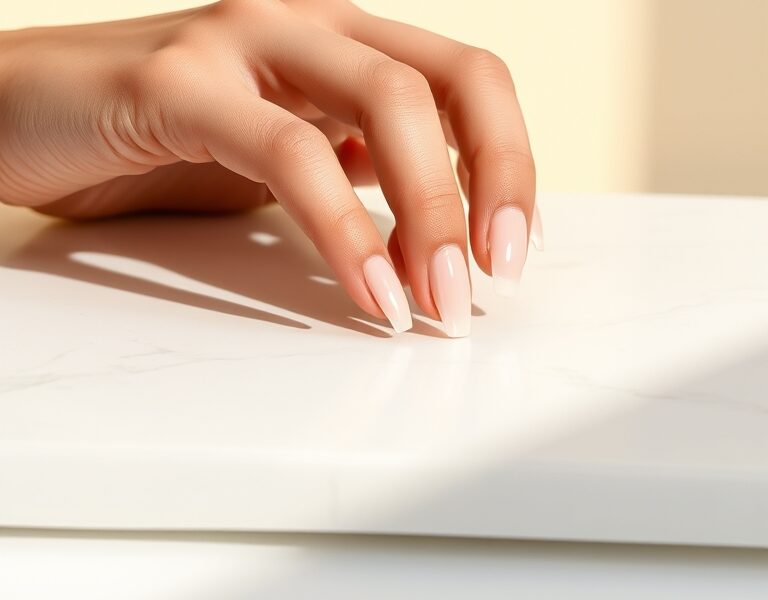
Gel extensions vs acrylics is a debate that dominates almost every nail salon conversation. I have spent years watching clients struggle with this choice, often basing their decision on a friend’s recommendation rather than their own nail health or lifestyle needs. The truth is that neither is objectively “better”; they simply serve different purposes depending on whether you prioritize rock-hard durability or a more natural, flexible feel.
Understanding the Basics: What Are They?
To make an informed choice, we have to look at what these materials actually are. Acrylics are a combination of a liquid monomer and a powder polymer. When these two mix, they create a bead of dough-like material that the technician sculpts onto your nail. It air-dries, meaning no lamp is required for the initial set, though a top coat usually is.
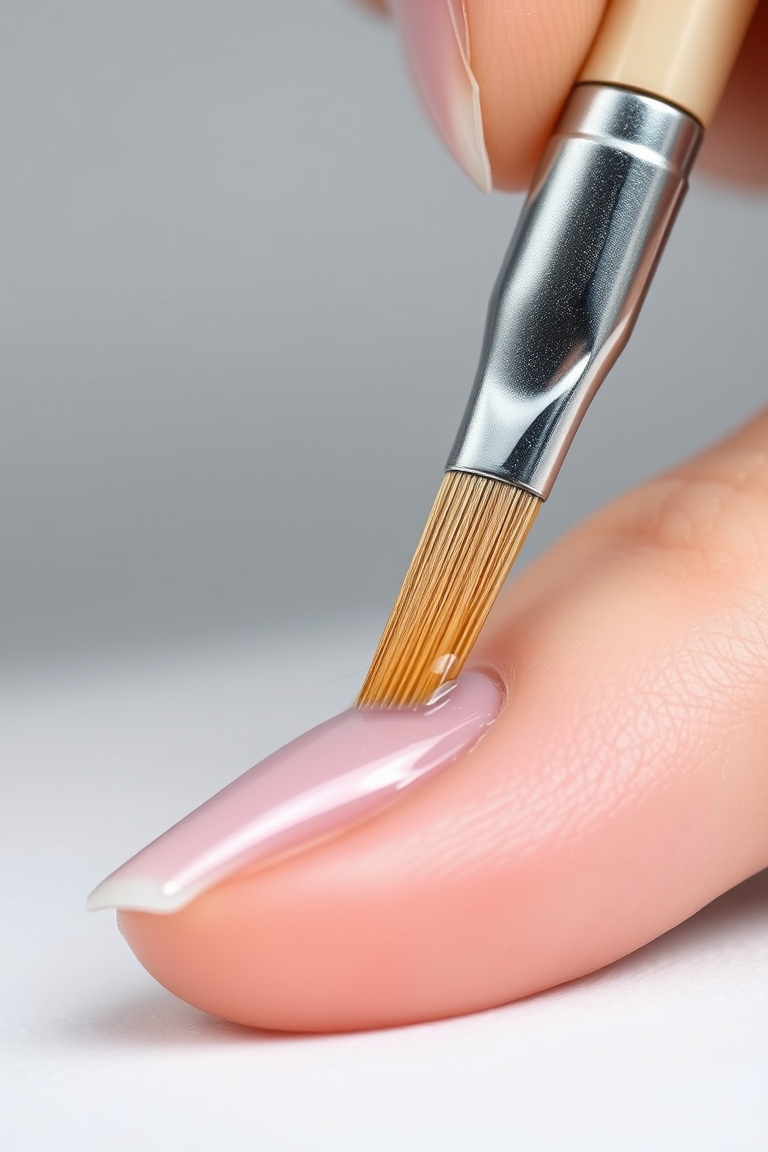
Gel extensions, on the other hand, are made from a pre-mixed oligomer. This is a thick, viscous liquid that stays wet until it is exposed to UV or LED light. This process, known as polymerization, creates a hard plastic-like bond. Because the gel is pre-mixed, there is no strong chemical odor, which is one of the biggest complaints people have about acrylics.


The Deep Dive: Gel Extensions vs Acrylics
When comparing gel extensions vs acrylics, the primary difference lies in the flexibility and the application process. Acrylics are significantly harder. If you work in a job where your hands take a beating—think healthcare, construction, or heavy cleaning—acrylics provide a protective shield that is hard to beat. However, that hardness comes with a risk: if an acrylic nail hits a hard surface, it is more likely to crack or pop off the natural nail bed if the bond isn’t perfect.
Gel is more flexible. It bends slightly under pressure, which often makes it feel more “natural.” This flexibility can actually make gels more durable in terms of preventing lifting, as the material moves with your natural nail. If you have thinner nails or a more sedentary job, gel often feels like a more comfortable choice.
Comparison Table: Quick Glance
- Acrylics: Harder, stronger, stronger scent, air-dries, cheaper initial cost.
- Gel Extensions: More flexible, natural look, virtually odorless, UV/LED cure, slightly more expensive.
Exploring Different Nail Extension Types
It isn’t just a binary choice between two products. There are several nail extension types available in modern salons that blur the lines between these categories.
Hard Gel
Hard gel is the gold standard for those wanting length without the bulk of acrylics. It is a thick gel that requires a base and a top coat. Unlike soft gel, hard gel cannot be soaked off with acetone; it must be filed off. This makes it incredibly sturdy and ideal for long stiletto or coffin shapes.
Builder Gel
Builder gel is a thicker version of soak-off gel. It is often used as an overlay on natural nails to add strength without adding significant length. If you are trying to grow out your own nails but keep breaking them, builder gel is the perfect middle ground. It provides the structure of an extension but maintains a thinner profile.
Gel-X and Soft Gel Tips
The rise of gel x vs acrylic discussions stems from the popularity of full-coverage soft gel tips. Instead of sculpting a nail from a tip or a form, the technician glues a pre-shaped clear gel tip over the entire nail using a specialized gel adhesive. This is then cured under a lamp. It is faster than acrylics and feels much lighter on the hand.
Which is Better Nails for Your Lifestyle?
When asking which is better nails for you, you have to look at your daily routine. I always tell my clients to consider three things: their natural nail health, their budget, and their patience.
For the Active Professional
If you are constantly typing, gardening, or lifting weights, acrylics offer a level of structural integrity that is unmatched. They are less likely to bend or warp over time. However, if you find that acrylics feel too heavy or “clunky,” a hard gel extension is a great alternative that offers similar strength with a sleeker finish.
For the Natural Look Enthusiast
If your goal is for people to wonder if these are your actual nails, go with gel. The transparency of gel allows for a more seamless blend at the cuticle area. Because gel doesn’t have the same opacity as acrylic powder, the result is a high-gloss, glass-like finish that looks sophisticated and clean.
For the Budget-Conscious
Generally, acrylics are more affordable both for the initial set and the fill-ins. Gel products are more expensive to manufacture and require specialized equipment (lamps), which usually reflects in the salon pricing. If you are on a strict beauty budget, acrylics are the way to go.
The Application Process: What to Expect
The experience in the chair differs wildly between the two. An acrylic application involves the “bead and brush” technique. You will smell the monomer—a sharp, chemical scent that can be overwhelming in small spaces. The technician will sculpt the nail, file it down to shape, and then polish.
Gel application is a more “painting” experience. The gel is brushed on in layers. Each layer must be cured under a lamp for 30 to 60 seconds. This means you’ll be spending a lot of time with your hand inside a UV/LED machine. While this takes longer in terms of clock time, it is often a more relaxing process because there is no loud filing or strong smells.
Removal and Nail Health
This is where most people make mistakes. Both gel extensions vs acrylics can be damaging if removed incorrectly. The damage doesn’t come from the product itself, but from the removal process.
Acrylics are typically removed by soaking in pure acetone for 20-30 minutes until the product softens and can be gently pushed off. If you peel or rip them off, you are taking layers of your natural nail plate with them, leading to thin, peeling nails.
Soft gels and builder gels are also soak-off. However, hard gels must be filed off. This requires a skilled technician to ensure they don’t over-file the natural nail. If you are prone to nail biting or picking, you might find that acrylics are harder to “pick off,” which actually helps some people maintain their length.
For more scientific information on the chemical composition of polymers used in these products, you can visit Wikipedia to understand how polymerization works.
Maintenance and Longevity
Both options require maintenance every 2 to 3 weeks. As your natural nail grows, a gap appears at the cuticle. This is called the “growth gap.”
- Acrylic Fills: The technician fills the gap with new acrylic, reshapes the nail, and reapplies polish. This is a fast process.
- Gel Fills: Similar to acrylics, but the gel is cured under a lamp. Gel is less likely to lift at the edges if the prep was done correctly.
In my experience, acrylics tend to lift more frequently if the nail is very oily. Gel bonds exceptionally well to most nail types, provided the surface is properly dehydrated before application.
Common Mistakes to Avoid
Regardless of whether you choose gel or acrylic, avoid these common pitfalls:
- Ignoring the Cuticle: Never let a technician cut your live cuticle tissue. This can lead to infections and makes the extension more likely to lift.
- Skipping the Base Coat: Whether it’s a primer for acrylics or a base for gel, this layer is what prevents staining and ensures longevity.
- DIY Removal: I cannot stress this enough. Do not use a metal file to rip off your extensions at home. You will cause permanent damage to the nail matrix.
- Neglecting Cuticle Oil: Both acrylics and gels can dry out the surrounding skin. Using a high-quality oil daily keeps the skin supple and prevents hangnails.
Final Verdict: Which One Wins?
So, in the battle of gel extensions vs acrylics, who wins? It depends on your priority.
Choose Acrylics if: You want maximum strength, a lower price point, and don’t mind the chemical smell. They are the workhorses of the nail world.
Choose Gel Extensions if: You want a natural look, a scent-free experience, and a more flexible nail that feels lighter on your fingers.
If you are still undecided, I suggest starting with a builder gel overlay. It allows you to experience the strength of an extension without the commitment of extreme length, giving your natural nails a chance to grow while you decide which full-system is right for you.
Frequently Asked Questions
What is the main difference between gel extensions vs acrylics?
The main difference is the composition and curing process. Acrylics use a liquid and powder that air-dry into a hard shell. Gel extensions use a pre-mixed resin that must be cured under a UV or LED lamp to harden. Gel is generally more flexible and odorless, while acrylic is harder and more rigid.
Are gel extensions better for your nails than acrylics?
Neither is inherently “better” for nail health, as both sit on top of the nail plate. However, gel is often perceived as gentler because it is more flexible and less likely to cause the natural nail to snap. The health of your nails depends more on the quality of the application and the removal process than the product itself.
How long do gel extensions last compared to acrylics?
Both typically last about 2 to 3 weeks before needing a fill. Acrylics may last slightly longer in high-impact environments due to their hardness, but they are also more prone to lifting if the bond is compromised. Gel tends to maintain its shine and clarity longer than acrylics.
Can I switch from acrylics to gel extensions?
Yes, you can absolutely switch. However, you must have your acrylics professionally removed first. You cannot simply apply gel over acrylics, as the materials bond differently and the result would be too thick and unstable. Once your natural nails are clean, you can start a gel system.
Does builder gel provide the same strength as acrylics?
Builder gel is very strong, but it is not as rigid as acrylic. It is ideal for adding strength to medium-length nails. If you need extreme length (like 2+ inches), acrylics or hard gels are generally more stable than a standard soak-off builder gel.
Leave a Reply