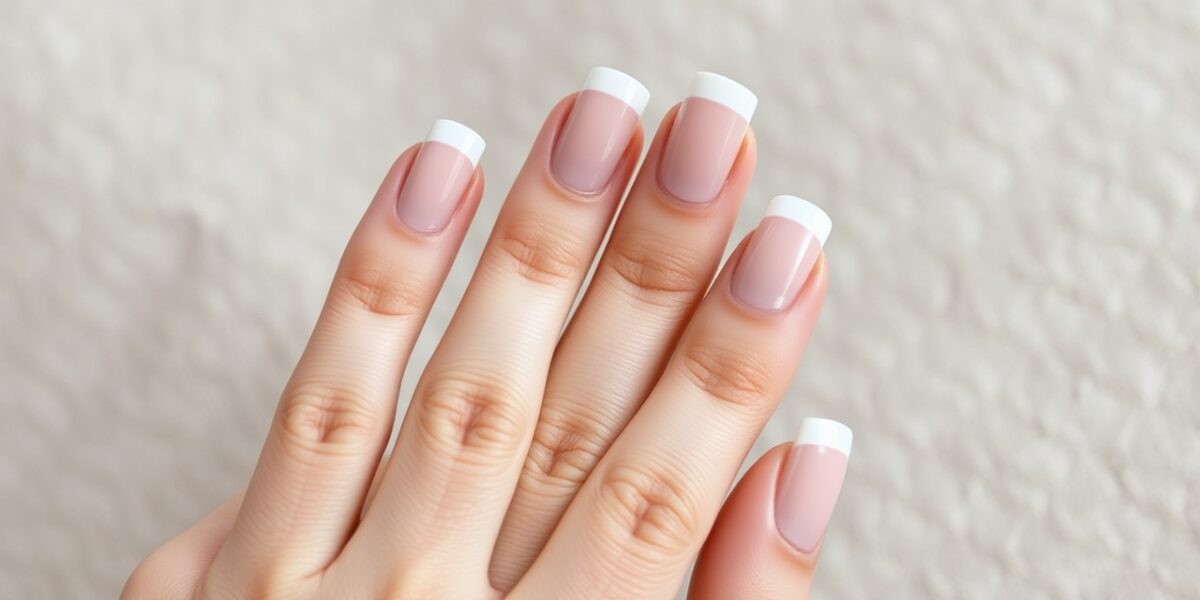
For decades, the French manicure has been the gold standard for ‘clean girl’ aesthetics—polished, professional, and predictably white. But the nail world has shifted. We’ve moved past the era of the thick, stark white band in favor of something more curated. Today, french manicure variations are less about following a rulebook and more about using the classic silhouette as a canvas for personal expression.
French Manicure Variations: A Quick Overview
At its simplest, a French manicure is just a neutral base paired with a contrasting tip. The magic happens when you swap the traditional components for something unexpected. Whether you’re aiming for a ‘quiet luxury’ vibe or a maximalist statement, the versatility of the French style makes it the most adaptable look in beauty.
- Modern French Nails – Think monochrome palettes, velvet mattes, and metallic chrome finishes.
- Colored French Tips – Saturated hues that replace white with everything from electric cobalt to deep espresso.
- Micro French – The ‘whisper’ of a line; an ultra-thin tip for those who find the classic look too heavy.
- French Twist Designs – Asymmetrical lines, double tips, and geometric play that break the horizontal plane.
Modern French Nails: The Minimalist Revolution
Modern French nails have evolved into an exercise in subtlety. We’re seeing a move away from the high-contrast ‘white-out’ look toward tonal shifts. Imagine a sheer milky-white base paired with a soft cream tip, or a slate gray base with a silver chrome edge. It’s a sophisticated approach that feels intentional rather than default.


How to achieve the modern look:
- Prep and Prime: Start with a high-quality base coat. If you’re using gel, ensure the nail plate is dehydrated for maximum adhesion.
- The Base: Skip the stark pinks. Opt for a sheer taupe, a soft blush, or a ‘your nails but better’ nude that matches your skin’s undertone.
- The Tip: Instead of a thick stripe, apply a thin layer of matte white or a metallic accent (rose gold or champagne). For a seamless blend, use a sponge to lightly dab the edge where the tip meets the base.
- The Finish: Seal with a high-gloss top coat for a glass-like finish, or a velvet matte top coat for a contemporary, muted effect.
These variations are the ultimate chameleon; they’re understated enough for a corporate boardroom but chic enough for a black-tie wedding.
Colored French Tips: Adding Personality
If the classic French is a white t-shirt and jeans, colored French tips are the statement blazer. By swapping white for a vibrant pigment, you transform a conservative look into a fashion choice. From the moody depths of burgundy in autumn to the electric neons of July, color allows the manicure to shift with the seasons.
Pro tips for a clean execution:
- Contrast is Key: Use a pale champagne or powdery beige base. The lighter the base, the more the colored tip will ‘pop.’
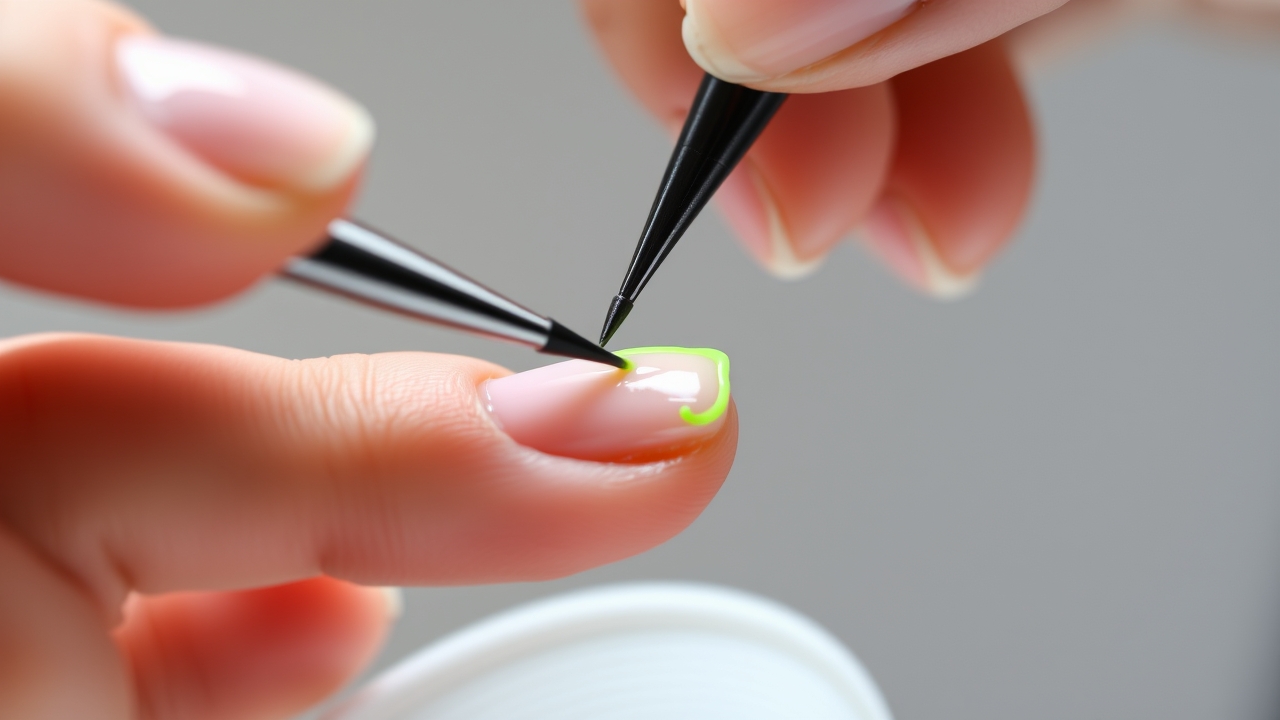
- Tool Selection: Ditch the standard polish brush. Use a long, thin liner brush or a professional nail art pen to map out the curve of the smile line.
- Layering: Apply the color in one thin, precise layer. If the pigment is sheer, wait for it to dry completely before adding a second coat to avoid bleeding into the base.
- The Clean-Up: Dip a small angled brush in acetone to crisp up the edges of the tip before applying your top coat.
Micro French: The Art of Tiny Details
Micro French is currently dominating social media feeds. It’s the ultimate ‘stealth wealth’ manicure—a line so thin it’s almost invisible from a distance, but strikingly precise up close. This variation is perfect for short, natural nails where a traditional French tip would take up too much real estate.
Creating the micro-line:
- Apply a clear or sheer nude base and let it cure or dry fully.
- Using a micro-liner brush (the thinnest one in your kit), pull a single, razor-thin line across the very edge of the free edge.
- For a twist, try a contrasting dark shade like navy or forest green against a pale pink base.
- Seal with a thin top coat. Be careful not to apply too much pressure, as you don’t want to ‘smear’ the delicate line.
French Twist Designs: Turning Tradition on Its Head
French twist designs are for the adventurous. This is where the ‘smile line’ becomes a playground. Instead of a straight arc, artists are experimenting with negative space and architectural shapes.
Creative directions to try:
- The V-Shape: Instead of a curve, bring the tip lines together in a sharp ‘V’ at the center of the nail for a more aggressive, edgy look.
- Double French: Paint a classic tip, then add a second, thinner line just below it, leaving a sliver of the base color exposed.
- Abstract Curves: Swirl the tip line into a wave or a loop, blending the French concept with organic, fluid art.
- 3D Accents: Add a single tiny rhinestone at the apex of the smile line or a sliver of gold leaf for a touch of luxury.
Choosing the Right Base Color for Your Variation
The base color is the unsung hero of french manicure variations. It sets the mood and determines how the tip is perceived. A mismatched base can make a professional look seem amateur.
- For High Contrast: Pair neon or dark tips with a sheer, pale beige. This creates a sharp, graphic boundary.
- For Tonal Harmony: Pair a mocha tip with a latte-colored base. This ‘ombre-adjacent’ look is softer and more sophisticated.
- For Micro French: Stick to a clear or very lightly tinted base to keep the focus entirely on the precision of the line.
Don’t be afraid to experiment with cool tones. A soft, dove-gray base paired with a crisp white tip offers a modern, icy alternative to the traditional pink-and-white combo.
Tools and Techniques for Precision
You cannot achieve a salon-grade French variation with a standard polish brush. The secret to those crisp, satisfying lines is the toolkit.
- Long Liner Brush: Essential for the ‘smile line.’ The longer the bristles, the steadier the line.
- Dotting Tool: Indispensable for micro-hearts, dots, or starting the point of a V-shape.
- Striping Brush: Best for geometric twists and perfectly straight architectural lines.
- Clean-up Brush: A flat, angled synthetic brush used with acetone to erase mistakes instantly.
The biggest mistake beginners make is rushing. Nail art is a game of patience. Work in thin layers, let each one set, and always keep your clean-up brush handy.
Maintenance Tips for Longevity
Because French variations—especially micro and twist designs—rely on precision, any chip is immediately noticeable. To keep your art intact:
- Hydrate the Perimeter: Apply a high-quality cuticle oil twice daily. This prevents the polish from lifting at the edges.
- The ‘Top Coat’ Refresh: Apply a fresh layer of clear top coat every three days. This refills the ‘wear’ on the tip and prevents the design from fading.
- Protect Your Hands: Wear gloves when using cleaning chemicals or washing dishes. Hot water and harsh soaps are the primary enemies of a crisp tip.
- Avoid ‘Picking’: If a tip begins to lift, use a file to gently smooth it down rather than peeling it, which damages the nail plate.
When to Choose a Classic vs. a Variation
Not every occasion calls for a neon V-tip. Matching your manicure to your environment is part of the art of styling:
- The Corporate Office: Opt for a modern French with a cream tip or a micro-French in a neutral tone. It’s polished and professional without being boring.
- The Gala or Wedding: This is the time for metallic accents, double French lines, or a soft, shimmering pearl tip.
- The Weekend/Vacation: Go bold. Electric blue, neon pink, or abstract twists that reflect a more relaxed, creative energy.
External Insight: The History of French Manicures
To understand why we’re now twisting the rules, it helps to know where they came from. The French manicure wasn’t actually born in France, but in Hollywood to provide a single look that matched every costume a star might wear in a day. For a deeper dive into its cinematic origins and evolution, explore the Wikipedia’s French manicure page.
Explore More Nail Trends on Our Site
Whether you’re looking for the best gel brands or a guide to nail health, our community has you covered. Visit our nail guide to discover the latest techniques and product reviews to elevate your home manicure game.
Frequently Asked Questions
- What are french manicure variations? They are modern adaptations of the traditional white-tip look, using different colors, thinner lines (micro), or geometric shapes (twists) to create a personalized aesthetic.
- Can I do a colored french tip at home? Absolutely. The key is using a dedicated liner brush rather than the brush that comes in the polish bottle.
- How long does a french manicure variation last? Depending on the product (regular polish vs. gel), you can expect 7 to 14 days. Gel is highly recommended for intricate variations to prevent smudging.
- Which variation is best for a formal event? A modern French with a champagne or silver metallic tip is timeless, elegant, and complements almost any formal attire.
- How do I keep micro french details from chipping? The secret is a ‘cap.’ Ensure you swipe your top coat over the very edge (the thickness) of the nail to seal the design in.
Leave a Reply