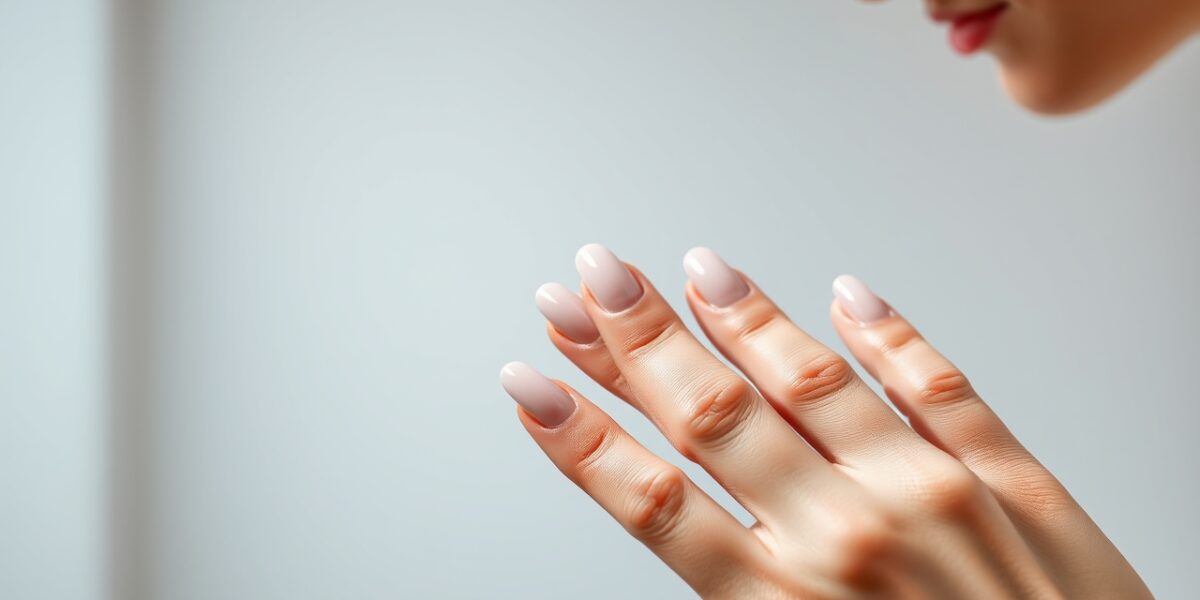
dip powder vs gel is a question that many nail enthusiasts ask when choosing their next manicure style. Both systems have carved out a loyal fan base, yet they differ in chemistry, application, and longevity. This guide breaks down the key factors so you can decide which will keep your nails looking flawless for weeks.
dip powder vs gel: What Are They Really?
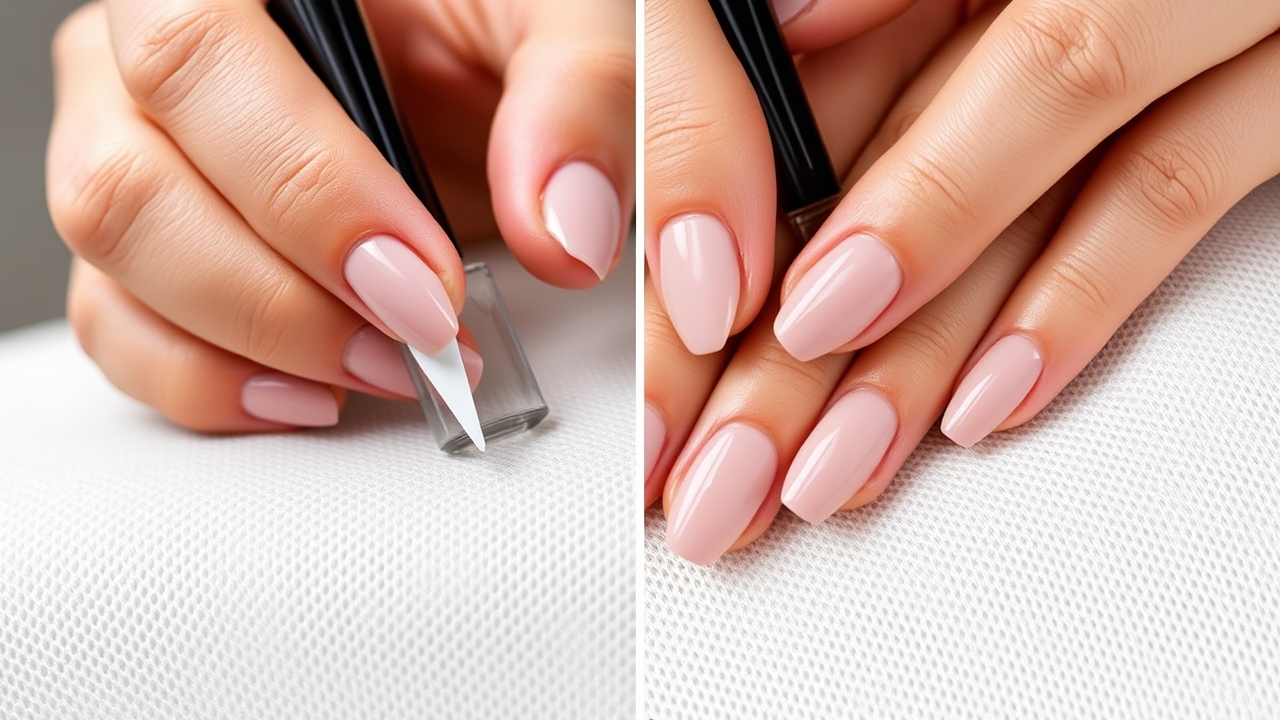
At their core, dip powder and gel are two distinct nail enhancement technologies. Dip powder uses a powdered polymer that you dip your nail into after applying a base coat. The powder adheres to the nail surface, forming a hard, chip‑resistant shell. Gel, on the other hand, is a liquid polymer that cures under a UV or LED lamp. After each layer dries, you apply the next one, building a layered finish that is glossy and flexible.
Application Process: Step‑by‑Step Comparison
The difference in how you apply each product is the first noticeable distinction. With dip powder, you start with a clean, buffed nail. A thin base coat is applied, then you dip the nail into the powder, tap off excess, and seal with a top coat. The entire process takes about 10–15 minutes, and the result is a matte finish that feels like a natural nail extension.


Gel requires a base coat, a thin layer of gel polish, and a cure under a lamp. You repeat this for a top coat, finishing with a quick cure. The key advantage for gel is the glossy sheen that can be achieved with even a single layer, but it demands a lamp and a bit more time per nail.
Durability & Which Lasts Longer Nails
When debating which nails last longer, the answer often depends on the wear pattern. Dip powder tends to resist chips better when you use hard surfaces or heavy manual labor. Its matte finish reduces the risk of scratches that can break the glossy top layer of gel.
Gel nails, however, can last up to a month if you avoid excessive UV exposure and keep your nails moisturized. The flexibility of gel means it can bend without cracking, which is why many athletes prefer it. According to studies on polymer coatings, the curing process for gel creates a cross‑linked network that is resilient under moderate stress.
dip powder pros & cons
- Pros: Long‑lasting, chip‑resistant, no lamp needed, easy to remove with acetone.
- Cons: Matte finish may not appeal to everyone, can take longer to apply if you use a double‑dip technique for extra coverage.
Gel vs Dip: A Side‑by‑Side Comparison
Below is a quick reference chart that highlights the most common criteria you’ll consider:
| Feature | Dip Powder | Gel |
|---|---|---|
| Finish | Matte/neutral | Glossy |
| Application Time | 10–15 min | 15–20 min (lamp required) |
| Durability | Strong against chips | Resistant but can crack if over‑thick |
| Removal | Acetone soak | Acetone soak + gentle filing |
| Health Impact | Low VOC, no lamp exposure | Potential lamp eye strain, VOCs in polish |
Cost Considerations
Initial investment for dip powder is lower because you only need a base, powder, and top coat. Gel requires a lamp, which can cost $200–$400 for a decent model. Over time, gel nails can be more cost‑effective if you’re applying them at home, but professional services for dip powder may charge slightly less per session.
Nail Health & Safety
Both systems can strain nails if over‑used. Over‑curing with gel may leave nails brittle, while repeated acetone soaking for dip powder can dry out the nail bed. The American Academy of Dermatology recommends giving nails a 48‑hour break between enhancements to allow the cuticle to recover.
When to Choose Dip vs Gel Polish
If you’re a frequent traveler, the matte, chip‑resistant nature of dip powder makes it ideal for long trips. For those who love a high‑gloss finish for occasions, gel nails are a better fit. Consider your lifestyle, nail health, and budget when making the decision.
DIY Tips for Long‑Lasting Results
- Always start with a clean, oil‑free nail surface.
- Use a high‑quality buffer to lightly sand the nail to improve adhesion.
- Apply a thin base coat to prevent lifting.
- For dip powder, tap off the powder gently to avoid clumping.
- For gel, cure each layer exactly as recommended by the product.
- Finish with a good cuticle oil to keep the skin hydrated.
Maintenance & Removal
Both systems require careful removal to protect the natural nail. Dip powder can be soaked in acetone for 10–15 minutes, then gently lifted with a wooden stick. Gel nails need a 5‑minute soak followed by a gentle file to lift the top layer before soaking again.
Professional vs At‑Home
Professional salons have the advantage of precise lighting, sterile tools, and experienced technicians who can troubleshoot issues on the spot. At‑home kits are convenient but may lack the polish of a salon finish. If you’re new to either system, starting with a professional appointment can help you learn the nuances before investing in a kit.
Choosing the Right Color and Finish
Both dip powder and gel come in a spectrum of colors, but the way they reflect light differs. Dip powders often have a subtle, satin sheen that works well for natural looks, while gels can be mixed to create high‑gloss, metallic or glitter finishes. When selecting a shade, consider the undertone of your skin and the occasion. For example, a muted mauve dip powder can be ideal for a business meeting, whereas a bright cobalt gel is perfect for a night out.
Layering Techniques for Custom Looks
With gel, you can layer different colors by applying a translucent base, a colored top, and a glitter overlay, curing each step. Dip powders allow you to dip once for a solid color or use a double‑dip method—first a base color, then a second dip in a contrasting shade—to create a subtle gradient. This technique is especially popular for “ombre” or “frosted” effects.
Common Mistakes to Avoid
- Skipping the Cuticle Care: Ignoring cuticle oil before application can cause the polish to lift.
- Over‑Curing Gel: Leaving gel on the lamp too long can create a hard, brittle surface that cracks.
- Using Old Powder: Dip powder that has been stored for months loses its adhesion and can chip.
- Applying Thick Layers: Both systems work best with thin, even coats; thick layers increase drying time and risk of lifting.
Environmental Impact and Sustainability
Dip powder is often marketed as a more eco‑friendly choice because it eliminates the need for a lamp and reduces VOC emissions. However, the polymer powders still contain synthetic monomers that can be harmful if inhaled. Gel polish, while requiring a lamp, can be formulated with lower VOCs and is available in refillable bottles to reduce plastic waste. When choosing a brand, look for certifications like “Vegan” or “Cruelty‑Free” and check if the manufacturer offers a take‑back program for used products.
Professional Techniques for Long‑Lasting Nails
Salons use advanced tools such as LED‑powered UV lamps that cure faster and reduce heat exposure. They also employ a two‑step base coat for dip powder: a primer that roughens the nail surface, followed by a thin base coat that bonds the powder. For gel, technicians apply a thin “primer” layer that contains a polymer additive to increase adhesion, then a gel layer, curing each in 30–60 seconds. These meticulous steps contribute to a finish that can last 4–6 weeks without chipping.
Real‑Life User Experiences
Emily, a nurse who works night shifts, prefers dip powder because it withstands her frequent hand washing and the use of disinfectants. She reports that her dip powder nails last about 3 weeks before needing a touch‑up. Raj, a software engineer, opts for gel because he enjoys the glossy look and finds that his gel nails hold up well during long coding sessions. He notes that the gel lasts 3–4 weeks, but he must avoid over‑curing to keep the nails flexible.
FAQ
- dip powder vs gel: Which nails last longer? Dip powder typically outlasts gel when exposed to heavy manual work, but gel can last up to a month with proper care.
- What is the best way to remove dip powder?
- Can I use gel polish over dip powder?
- How often should I give my nails a break between enhancements?
- Is dip powder safer for my eyes compared to gel?
- Can I mix dip powder and gel on the same nail? Mixing the two systems on a single nail is not recommended; the adhesive properties differ, leading to lifting or uneven finish.
For more nail care insights, visit our guide on nail health.
Learn more about the chemistry behind nail enhancements on Nail polish.
Leave a Reply