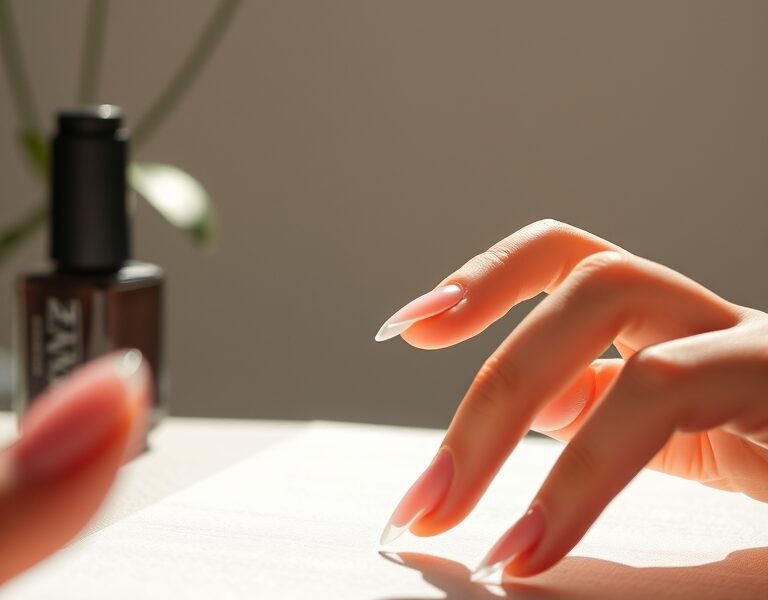
Matte nail designs are the go-to trend for a sophisticated, velvety finish that feels as luxurious as silk. Unlike traditional high-gloss manicures that reflect every beam of light, matte nails absorb it, creating a soft-focus effect that feels modern, architectural, and deeply elegant. They offer a subtle, muted look that works for both everyday corporate wear and high-fashion special occasions. In this comprehensive guide, we’ll walk through the professional essentials of achieving a flawless matte look, share advanced top-coat techniques, and inspire you with creative matte nail art ideas that push the boundaries of traditional manicures.
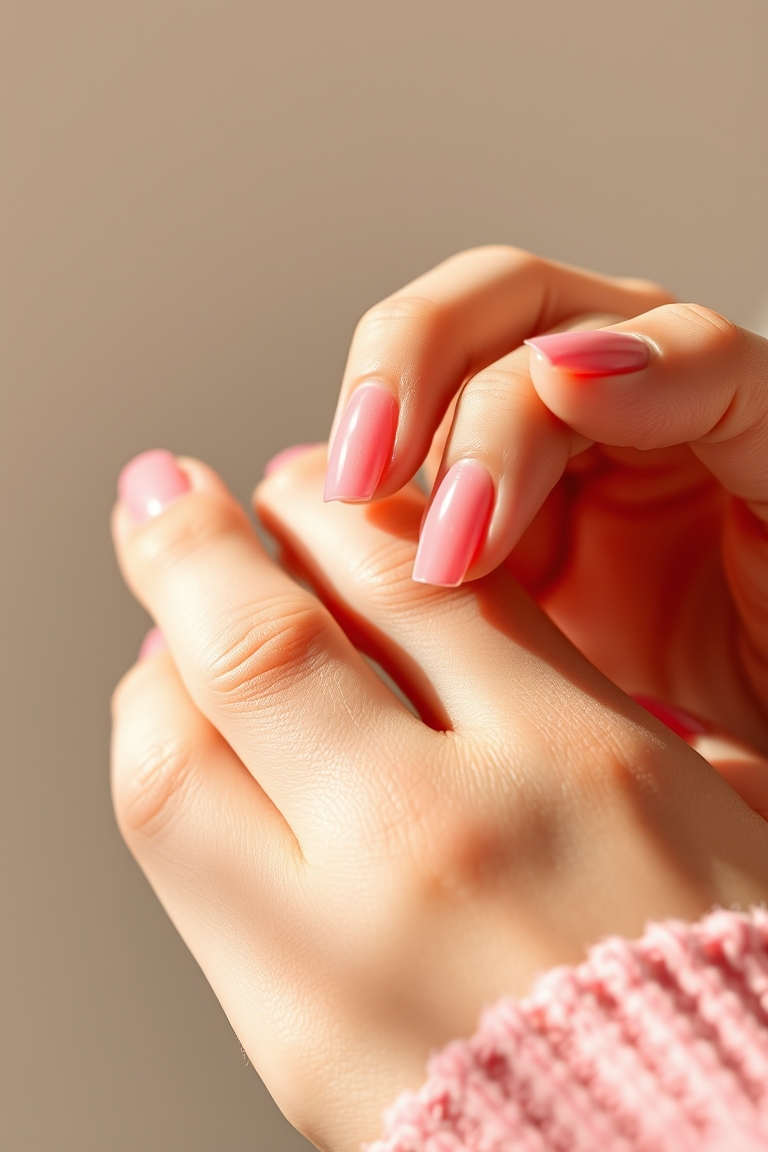
Matte Nail Designs for a Velvet Finish
Creating a velvet-like surface starts with understanding the unique properties of matte polish. While gloss is about reflection, matte is about diffusion. When light hits a matte surface, it scatters in multiple directions rather than bouncing back in a straight line. This produces a soft, muted sheen that can be enhanced with the right top coat, resulting in a subtle depth that changes as you move your hands.
Why the “Velvet” Aesthetic is Trending
Velvet is synonymous with luxury, comfort, and understated elegance. In the beauty world, the “velvet” effect is prized because it removes the “plastic” look often associated with gel or acrylics, replacing it with a texture that looks more organic and tactile. Velvet nails are particularly effective for those who prefer a minimalist aesthetic but still want their manicure to feel intentional and high-end. They are versatile enough to pair with neon colors—which become softer and more wearable—or muted neutrals, which become more architectural and bold.


The Science of Matte: How it Works
Matte finishes owe their texture to a specific polymer blend and the addition of silica or other matting agents that create a fine, microscopic roughness on the surface. Matte surfaces scatter light, producing a non-reflective sheen. This chemical structure not only changes the visual appearance but also alters the physical feel of the nail. Interestingly, because they lack the smooth, mirror-like surface of gloss, high-quality matte finishes can actually be more resistant to visible fingerprints and smudges, provided they are maintained correctly.
Building the Base: Matte Manicure Basics
Achieving a professional-grade matte finish requires more precision than a glossy one. Because there is no shine to hide imperfections, streaks, bubbles, and uneven application are much more visible. A flawless velvet finish begins with a meticulously prepared canvas.
Step-by-Step Process for a Flawless Finish
- Preparation: Start with clean, dry nails. Remove all traces of old polish and oils. Use a gentle cuticle pusher to clear the nail plate and file your nails into your desired shape (almond and coffin shapes particularly complement matte textures).
- The Base Layer: Apply a high-quality base coat. This is non-negotiable for matte designs, as it prevents the pigment from staining the nail and provides a smooth surface for the matte polish to grip.
- Color Application: Choose a matte nail polish or a standard cream polish. Apply two thin, even coats. The secret to avoiding streaks is to use long, centered strokes from the cuticle to the tip. Allow each layer to dry completely; rushing this step leads to “pooling,” which creates uneven matte patches.
- The Velvet Seal: Finish with a dedicated matte top coat. This locks in the color and provides the final architectural texture.
- Edge Capping: Ensure you swipe the brush across the free edge (the tip) of the nail to seal the polish and prevent premature chipping.
Common Mistakes and Professional Fixes
Many beginners struggle with a “chalky” or flaky finish. This usually happens when the polish is applied too thickly or when the top coat is applied before the color layer is fully set. If your polish feels too thick in the bottle, avoid adding nail polish remover (which breaks down the formula); instead, use a professional nail polish thinner to restore the flow.
Another common issue is the “half-matte” look, where some areas remain shiny. This is often caused by oil contamination on the nail surface. Always wipe your nails with a lint-free wipe soaked in isopropyl alcohol before applying your matte top coat to ensure a uniform finish.
Matte Top Coat Ideas to Seal the Look
The top coat is where the magic happens. Depending on the product you choose, you can achieve anything from a “flat matte” (zero shine) to a “satin matte” (a slight, pearlescent glow).
Choosing the Right Top Coat
Not all matte top coats are created equal. When shopping, look for these distinctions:
- Flat Matte: Best for a bold, modern, “chalky” look. Ideal for dark colors like navy, forest green, or black.
- Satin/Velvet Matte: Contains a tiny amount of shimmer or a softer finish that mimics real fabric. This is the best choice for nudes, pastels, and bridal looks.
- Rubberized Matte: These are often found in gel lines and provide a thicker, more durable shield that feels almost like soft-touch plastic.
Advanced Application Techniques
To elevate your matte game, try these pro tips:
- The Floating Technique: Instead of pressing the brush into the nail, “float” the bead of matte top coat across the surface. This prevents you from dragging the color underneath and minimizes the risk of bubbles.
- The Silicone Press: For an ultra-smooth, velvet feel, some artists suggest using a clean silicone tool or a soft microfiber cloth to gently press the surface of the nail immediately after the top coat has set but before it is fully cured/hardened.
- Selective Glossing: One of the biggest trends in matte nail designs is the contrast look. Apply a matte top coat to the entire nail, then use a fine detail brush to apply a glossy top coat to the tips (a matte French manicure) or in a specific pattern.
Creative Matte Nail Art for Every Occasion
The beauty of a matte base is that it provides a neutral, non-distracting backdrop that makes other textures—like gold foil, glitter, or gloss—pop with intensity.
Minimalist Geometric Patterns
Geometric designs work beautifully with matte bases because the lack of reflection emphasizes the precision of the lines. Use a striping brush to create thin, intersecting lines or a single vertical stripe down the center of the nail. For a high-contrast look, pair a matte charcoal base with a glossy white or metallic gold line. This creates a 3D effect that looks like modern art.
Floral & Botanical Motifs
Soft, hand-painted florals can give a whimsical, romantic touch. To keep the look sophisticated, use a “tone-on-tone” approach: apply a matte sage green base and paint delicate leaves in a slightly darker, glossy forest green. This play on textures adds depth without needing a wide palette of colors.
Seasonal Matte Palettes
- Autumn: Embrace the “harvest” feel with muted terracotta, burnt orange, or deep plum. A matte finish makes these colors look like cozy knitwear.
- Winter: Deep navy, charcoal, and burgundy are classics. Try a matte burgundy with a single gold-leaf accent nail for a luxurious holiday vibe.
- Spring: Pastel mint, lavender, and baby blue are softened further by a matte finish, making them look like macarons or spring clouds.
- Summer: Bright coral, electric blue, or neon yellow can be overwhelming in gloss. A matte top coat tones them down just enough to make them chic and wearable for a beach vacation.
Maintaining Velvet Nails Over Time
Matte nails require a different maintenance routine than glossy ones. Because the surface is more porous, it can pick up stains or lose its “flat” look more quickly.
Daily Care and Stain Prevention
To keep the velvet feel, avoid contact with harsh chemicals. When washing dishes or cleaning with bleach, always wear gloves. Matte surfaces can absorb dyes from certain foods (like turmeric or berries) or stains from makeup. If your nails start to look “dingy,” you can gently wipe them with a cotton ball soaked in alcohol to remove surface oils and restore the matte appearance.
When to Reapply and Refresh
Matte finishes typically last up to two weeks, but the “velvet” texture may begin to wear off at the tips first. Instead of doing a full manicure, you can simply apply a fresh layer of matte top coat every 4-5 days to maintain the consistency. If you notice a chip, buff the area lightly and re-apply the color and top coat to ensure a seamless blend.
Frequently Asked Questions
What exactly are matte nail designs?
Matte nail designs are manicures that use specialized polishes or top coats to eliminate shine. This results in a non-reflective, soft-touch surface that mimics the appearance of velvet or suede, providing a modern alternative to the traditional high-gloss look.
How do I keep my matte nails from looking dull or “chalky”?
The key is hydration and cleanliness. Use a cuticle oil daily to keep the surrounding skin healthy, but avoid applying heavy oils directly onto the matte surface, as this can create shiny spots. To refresh the look, gently wipe the nail with alcohol and apply a fresh layer of matte top coat.
Can I turn any regular polish into a matte look?
Yes! You do not need to buy a specific matte-colored polish. You can apply any standard glossy polish and then finish it with a high-quality matte top coat. This is actually the preferred method for many professionals because it gives you access to a wider range of colors.
Do matte nails chip faster than glossy nails?
Generally, no. The durability depends on the quality of the top coat and the base, not the finish. However, because matte nails don’t have a smooth, “slippery” surface, they can sometimes snag on fabrics more easily. Capping the free edge of the nail is essential to prevent lifting.
Where can I find more inspiration for matte nail trends?
Stay updated by following professional nail artists on social media, exploring mood boards on Pinterest, or visiting Nailspalist for the latest updates on nail artistry, color trends, and professional application techniques.
Leave a Reply