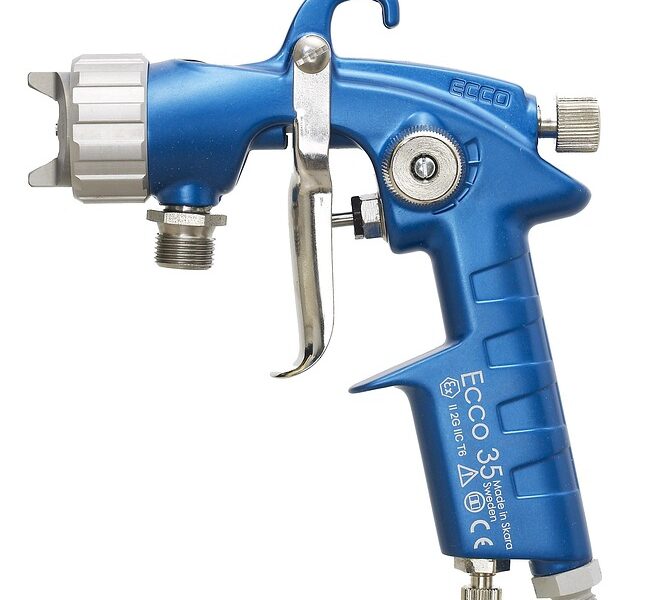
The rhythmic hiss of an airbrush compressor was once the defining soundtrack of 1990s nail salons. After a decade of being overshadowed by intricate hand-painted gel art and minimalist “clean girl” aesthetics, airbrushing has officially reclaimed its throne in 2024. Driven by the resurgence of Y2K fashion and the viral “Aura Nail” trend on social media, this technique offers a level of seamless blending that even the most skilled hand-painter struggles to replicate.
Modern airbrushing isn’t just a nostalgia trip; it is a sophisticated fusion of new-age pigments and advanced cordless technology. Whether you are a professional tech looking to speed up your service or a DIY enthusiast wanting that soft-focus finish, understanding the nuances of the 2024 revival is essential for staying ahead of the curve.
Why Airbrushing is Dominating 2024
The comeback of airbrushing is fueled by the demand for gradients that look like digital filters. While traditional ombré techniques using sponges can often leave a textured or “stippled” finish, airbrushing atomizes the paint into microscopic droplets. This creates a literal mist of color that transitions perfectly from one hue to another.
Furthermore, the evolution of equipment has made the technique more accessible. The bulky, noisy compressors of the past have been replaced by sleek, handheld, rechargeable airbrush guns that fit comfortably in a technician’s kit without taking up precious desk space.
Top Airbrush Nail Trends for 2024
This year, airbrushing has moved beyond simple stencils. It is being layered with chrome, 3D gels, and charms to create multidimensional art.
1. Aura Nails
Perhaps the biggest catalyst for the airbrush revival, Aura Nails feature a soft circular “glow” in the center of the nail that fades out toward the edges. This design is meant to represent the wearer’s energy or mood. Achieving this specific “glow” effect is nearly impossible without the diffused spray of an airbrush gun.
2. Cyber Sigilism and Grunge Gradients
In a pivot away from “clean” aesthetics, many are opting for “Subversive Basic” or “Cyber” nails. This involves airbrushing a moody, dark gradient (think charcoal, deep purple, or muddy olive) and layering sharp, thin black lines or “sigils” over the top. The contrast between the soft background and the sharp foreground creates a striking, futuristic look.
3. Airbrushed French Manicures
The “Blurry French” is a 2024 staple. Instead of a crisp, white smile line, the tip is softly misted. This creates a dreamy, romantic version of the classic French manicure that looks particularly stunning in pastel shades like lavender and baby blue.
4. Stencil Layering
We are seeing a return to 90s-style stencils but with a modern twist. Think hearts, stars, and butterfly silhouettes misted in neon colors over a neutral base. The key to making this look “2024” is using multiple shades of the same color to create a 3D, glowing effect within the stencil shape.
Essential Equipment for the Modern Nail Tech
If you’re looking to invest in airbrushing, you need to understand the two primary types of systems currently used in the industry:
| Feature | Portable Cordless Guns | Stationary Compressor Systems |
|---|---|---|
| Portability | High; rechargeable and handheld. | Low; requires a power outlet and hose. |
| PSI (Pressure) | Fixed or limited (usually 20-30 PSI). | Adjustable; allows for finer control. |
| Best For | Quick aura designs and travel techs. | High-volume salons and intricate detail work. |
| Noise Level | Very quiet. | Can be loud, though modern models are muffled. |
Expert Tips for a Flawless Airbrush Finish
Achieving a professional look requires more than just pointing and spraying. Here are the “pro secrets” to avoiding common pitfalls like clogging and peeling.
Master the “Thin Layer” Rule
The most common mistake is spraying too much product at once. This leads to pooling and “spidering” (where the air pressure blows the wet paint into messy streaks). Instead, build the color in 2-3 translucent mists. This ensures the paint dries instantly and adheres properly to the base coat.
Use Airbrush-Specific Pigments
Do not try to put regular nail polish into an airbrush gun; it is too thick and will ruin the internal needle. Use dedicated airbrush paints or “Airbrush Gels” that have been diluted to the correct viscosity. If using gel-based airbrush colors, remember that they must be cured under a UV/LED lamp just like standard gel polish.
Preparation is Everything
Airbrush paint is incredibly thin. If the nail surface has bumps, scratches, or uneven buffing marks, the airbrush pigment will highlight them rather than hide them. Always ensure you have a perfectly smooth, buffed base (usually a matte top coat works best as a “canvas” for the paint to grab onto).
Maintenance is Non-Negotiable
If you don’t clean your airbrush gun immediately after a set, the paint will dry inside the nozzle, leading to “spitting.” Always flush the gun with a dedicated cleaner or acetone between colors and perform a deep clean at the end of every work day.
Pros & Cons of Airbrush Nail Art
Pros
- Unmatched Gradients: Creates the smoothest transitions possible in nail art.
- Speed: Once mastered, a full set of aura nails can be completed much faster than hand-sponging.
- Lightweight Feel: Because the layers are so thin, the final nail doesn’t feel bulky or thick.
- Versatility: Can be used for everything from subtle bridal looks to edgy street-style art.
Cons
- Learning Curve: Controlling the trigger and air pressure takes practice to avoid “splattering.”
- Cleaning Time: The equipment requires meticulous cleaning to remain functional.
- Initial Cost: A high-quality kit and a library of pigments require an upfront investment.
- Overspray: Without proper shielding or liquid latex on the skin, the mist can get on the client’s fingers.
Frequently Asked Questions
How long does airbrush nail art last?
When applied correctly over a buffed surface and sealed with a high-quality top coat (ensuring the edges are capped), airbrush nail art lasts as long as a standard gel manicure—typically 2 to 3 weeks.
Can I do airbrushing on natural nails?
Yes, but it is best applied over a base layer of gel polish or acrylic. Airbrush paint is very thin and may chip quickly if applied directly to the natural nail plate without a protective, adhesive base layer.
Is airbrushing safe to breathe?
While nail airbrushing uses very small amounts of paint, it is always recommended to work in a well-ventilated area. Professional technicians often use a small “spray booth” or a dust extractor to pull the fine mist away from their breathing zone. Wearing a mask during the spraying process is a common best practice.
What do I do if my airbrush gun is “spitting” paint?
Spitting is usually caused by a dirty needle or paint that is too thick. Check for dried paint on the tip of the needle (often called “tip dry”) and clean it with a cotton swab dipped in acetone. Also, ensure your paint is thinned to a “milk-like” consistency.
Do I need a special top coat for airbrushing?
A standard soak-off gel top coat works well. However, because airbrush paint can be delicate, some experts recommend a “sandwich” technique: apply a thin layer of base coat or a clear “strengthening” gel over the airbrush art before the final top coat to ensure maximum adhesion.
—
Topic: Airbrush nail art designs returning trend
Tags: #Airbrush #Nail #Art #Revival #2024s #Designs #Expert #Tips