Salon-Quality Nails at Home: The Complete Professional Guide
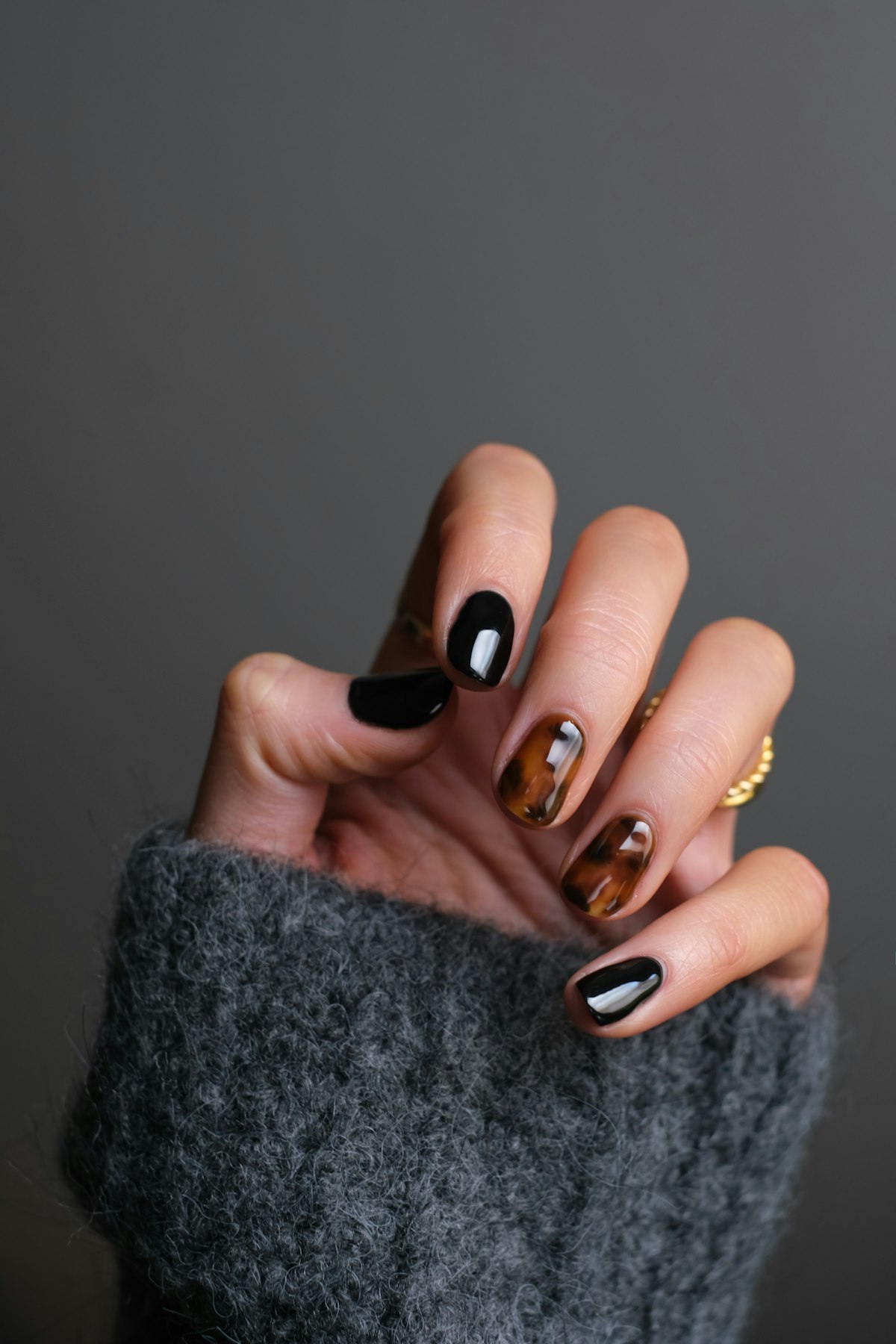
The gap between professional salon nails and home-done nails has never been smaller. With the right tools, products, and techniques, you can achieve results that genuinely rival a $60 salon manicure — at a fraction of the cost. This guide reveals the professional secrets that separate salon-quality work from amateur results, covering everything from prep to topcoat to after-care.
Why Salon Nails Look Different
If you’ve ever done your own nails and wondered why they don’t look quite like salon work even when using the same polish, these are the real reasons:
- Prep — salons spend 30-40% of the appointment on nail preparation before any polish is applied. Most people at home skip or rush this step entirely.
- Thin layers — salon technicians apply thinner, more even coats. At home, people tend to apply too much polish at once, which dries unevenly and chips faster.
- Cuticle work — proper cuticle care creates a clean canvas. Without it, polish looks ragged at the edges.
- Edge sealing — professionals cap the free edge with every coat. Most home users don’t.
- Quality topcoat — salon topcoats are generally higher quality, more durable, and applied correctly.
- Clean up — professionals clean up polish around the cuticle area with a thin brush and remover. This makes the difference between “messy” and “professional.”
The Professional Tool Kit
You don’t need everything on day one, but these tools collectively produce professional results:
| Tool | Purpose | Priority |
|---|---|---|
| Glass nail file | Smooth shaping without fraying | Essential |
| Buffer block (4-sided) | Smoothing ridges, shining natural nails | Essential |
| Cuticle softener | Loosening and hydrating cuticle tissue | Essential |
| Metal cuticle pusher | Pushing back cuticles precisely | Essential |
| Cuticle nippers | Removing dead cuticle skin only | Important |
| Nail dehydrator | Removing oil before polish for adhesion | Important |
| Thin fan brush + remover | Cleanup around cuticle | Important |
| Quick-dry drops | Speeding drying time | Helpful |
| LED nail lamp | Curing gel (if using gel system) | For gel only |
| Cuticle oil | Finishing and ongoing nail health | Essential |
Step 1: Nail Preparation (The Most Important Step)
If you take nothing else from this guide, take this: nail preparation determines 80% of your result. Professionals know this. Home nail doers consistently underestimate it.
Remove All Old Polish Completely
Use acetone-soaked cotton pads for gel, acetone or non-acetone remover for regular polish. Ensure there is zero trace of old polish anywhere on the nail surface, including around the edges and cuticle area.
Clip and File to Shape
If your nails need significant length reduction, clip first, then file. Never file wet nails — they are more prone to splitting when damp. File in one direction only (never saw back and forth). More on shaping in the next section.
Buff the Surface Lightly
Use the fine side of a buffer block to smooth the nail surface and remove any ridges. This gives polish a smooth canvas to adhere to. Don’t over-buff — two or three light passes is enough. Over-buffing thins the nail plate.
Push Back Cuticles
Apply cuticle softener to the cuticle area, wait 60 seconds, then use a metal cuticle pusher to push cuticles back gently in small circular motions. Always push along the natural curve of the cuticle. Never cut live skin — only trim loose, dry dead cuticle tissue with nippers.
Dehydrate the Nail
This step is a professional secret most home users skip. Wipe each nail with isopropyl alcohol or a dedicated nail dehydrator product. This removes all oils, moisture, and residue from the nail surface. Oil is the enemy of polish adhesion — dehydrating the nail dramatically improves how long your polish lasts.
Step 2: Shaping Like a Pro
Nail shape is a significant part of the overall look. Choose the right shape for your fingers and maintain it consistently across all ten nails.
Popular Nail Shapes and How to File Them
- Round — file straight on the sides, then curve the tip following the natural shape of the fingertip. Best for short nails and wider nail beds.
- Square — file straight across the tip, then lightly smooth the sharp corners. Best for longer nails and narrow fingers.
- Oval — file the sides at an inward angle, then round the tip. The most flattering shape for most hand types.
- Almond — file the sides at a more extreme inward taper to create a pointed tip. Best for longer, narrower fingers.
- Squoval — square with softly rounded corners. A hybrid between square and oval, very wearable and universally flattering.
For a complete guide to choosing and filing nail shapes for your specific hand type, see our guide to best nail shapes for your hands.
Step 3: Cuticle Care
Professional cuticle work is what gives salon manicures that clean, finished look at the nail base. Here’s how to do it at home:
- Soak your fingertips in warm water for 3-5 minutes, or apply a dedicated cuticle softener cream
- Use a metal cuticle pusher (angled end) to push back cuticles gently. Start at one corner of the nail and work across. Use small circular motions rather than pushing straight back.
- Use the pointed end of the pusher to clean under the free edge of the nail
- Use cuticle nippers to trim only visibly loose, dead skin — hangnails and peeling cuticle edges. Never cut the cuticle itself (the tissue attached directly to the nail plate)
- Rinse hands and pat dry
Never skip cuticle care thinking you’ll “do it next time.” Polish applied without cuticle prep looks messy at the base, no matter how neatly you paint the rest of the nail. For ongoing cuticle health, apply cuticle oil daily.
Step 4: Base Coat Application
Base coat is non-negotiable. It serves three functions:
- Creates a slightly sticky surface that polish adheres to
- Prevents dark polish colors from staining the natural nail
- Strengthens and protects the natural nail plate
Apply base coat in three strokes: one up the center, one up the left side, one up the right side. The coat should be thin and even. Cap the free edge (brush along the tip of the nail) to seal the edge. Let it dry until slightly tacky — completely dry base coat doesn’t create the best adhesion for the color coats.
Step 5: Applying Color Polish
This is where most at-home manicures go wrong. Here’s the professional approach:
Load the Brush Correctly
Wipe one side of the brush on the bottle neck — you want polish on one face of the brush only. Too much polish causes flooding at the cuticle edge and takes forever to dry.
The Three-Stroke Method
Exactly like the base coat: one stroke up the center, one left, one right. Leave a very thin gap between the polish and the cuticle — about the thickness of a business card. As the polish flows slightly, it will naturally approach but not touch the cuticle skin.
Apply Two Thin Coats, Not One Thick Coat
Always two thin coats. One thick coat looks great immediately but chips faster, dries slower, and often looks uneven. Two thin coats layer evenly, dry faster, and last longer.
Cap the Free Edge
After applying each coat, run the brush along the tip of the nail to “cap” or “wrap” the edge. This seals the polish at the most vulnerable point and is the single most effective technique for preventing tip chipping. Do this with base coat, each color coat, and topcoat.
For more detailed technique guidance, see our guide on how to apply nail polish perfectly.
Step 6: Topcoat Secrets
A great topcoat can make mediocre polish look salon-quality, and a poor topcoat can make beautiful polish look cheap. Choose wisely and apply correctly.
Best Topcoat Options
- Seche Vite — the classic professional-choice topcoat. Dries extremely fast and creates a glass-like finish. Slightly thick formula is best applied before it gets too old.
- HK Girl Fast Dry Topcoat — another professional-grade option with excellent gloss and durability.
- OPI Plump Up the Volume Base Coat — also functions as a smoothing topcoat and adds polish thickness for chip resistance.
- Essie Good To Go Topcoat — more affordable, widely available, good for everyday use.
Applying Topcoat Correctly
Apply topcoat when color is dry to the touch but not completely cured (about 5-10 minutes after the final color coat for most polishes). Apply one coat over all nails, cap the edges, and let dry. Apply a second coat for maximum gloss and protection. Refresh topcoat every 2-3 days to extend the manicure’s life.
Step 7: Cleanup and Edge Work
This is the professional finishing touch that transforms a good manicure into a great one. Even careful application leaves tiny imperfections at the cuticle edge — cleanup removes them perfectly.
The Cleanup Brush Method
- Dip a thin, angled brush into 100% acetone
- Blot the excess acetone on a paper towel (too much dissolves your polish work too)
- Run the brush along the cuticle area to remove any polish that touched the skin
- Clean along the sidewalls of each nail
- The result is a perfectly clean, sharp line between nail and skin
Once you start doing this step, you won’t be able to stop. The difference in the final result is remarkable.
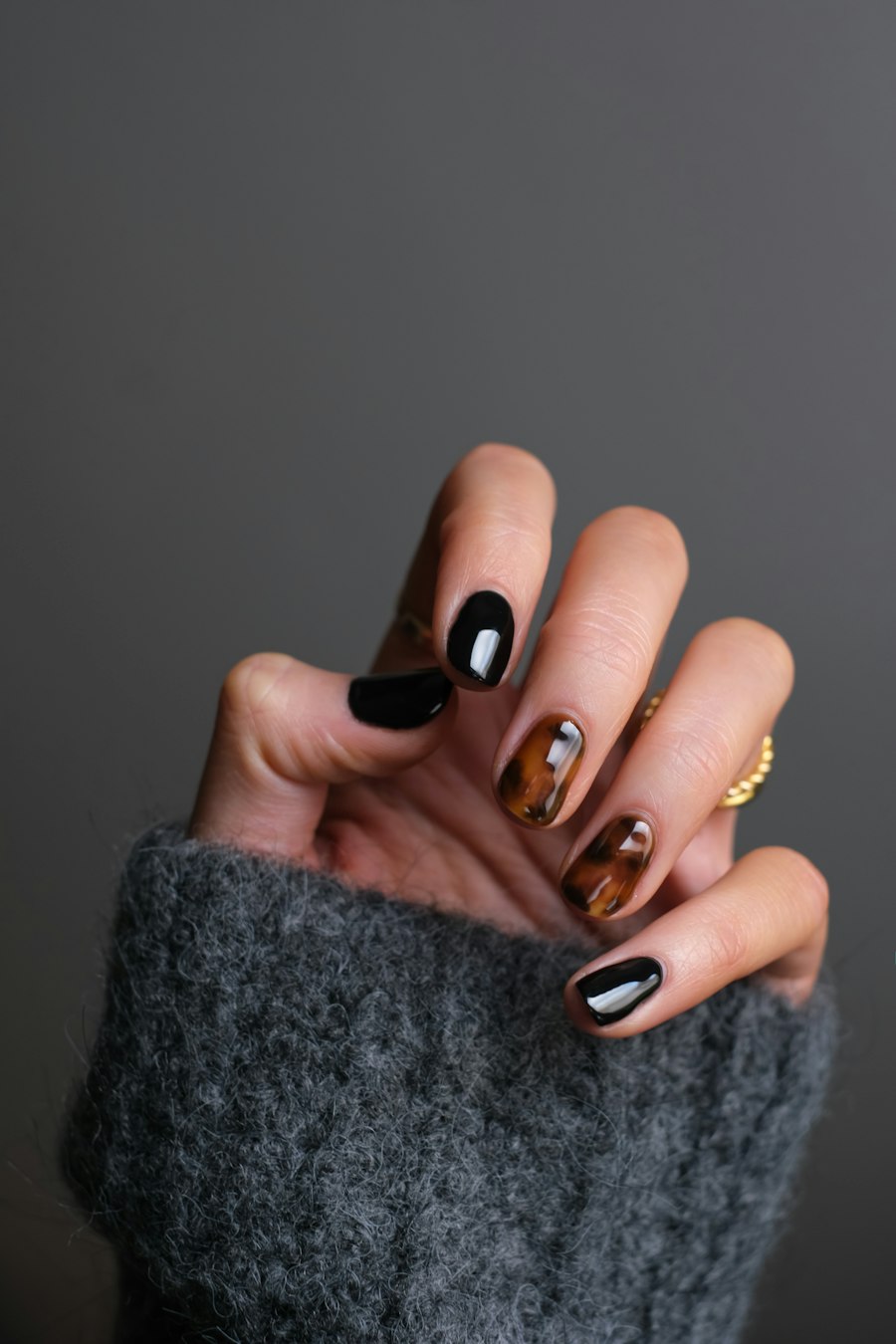
Maintaining Salon-Quality Results
Great nails don’t end at application — maintenance extends the life of your manicure significantly.
Immediate Aftercare (First 2 Hours)
- Let nails air dry for at least 1 hour before any water contact — polish is still curing even when it feels dry
- Use quick-dry drops to speed surface drying, but these don’t speed deep curing
- Avoid typing, pressing buttons, or anything that might dent polish while curing
Ongoing Maintenance
- Apply cuticle oil daily — hydrated nails are more flexible and chip less
- Refresh topcoat every 2-3 days
- Wear gloves when doing dishes or cleaning — water and detergent are major polish destroyers
- Apply hand lotion regularly but avoid applying directly over nail polish (it can make polish tacky)
When to Redo
Regular polish: redo when chipping becomes visible or after 7-10 days. Gel: redo when new nail growth at the cuticle becomes visually obvious or after 2-3 weeks. Our complete home manicure step-by-step guide has more detail on timing and scheduling your nail routine.
Frequently Asked Questions
How do I stop polish from chipping at the tips?
Cap the free edge with every coat — this single technique is the most effective tip-chip prevention method available. Run the brush along the nail tip after painting each coat, including base coat and topcoat. Also make sure nails are properly dehydrated before application so polish adheres fully.
Why does my polish look streaky?
Streaky polish usually means too much or too little polish on the brush, or moving too slowly. Work quickly and confidently in single strokes. If a stroke goes wrong, don’t try to fix it — wait for that coat to dry, then apply another thin coat over it. Dragging a brush over drying polish creates streaks and ridges.
How long should I wait between coats?
For regular polish, wait 2-3 minutes between coats. For gel, cure each coat under the lamp as directed (usually 30-60 seconds with an LED lamp) — there’s no waiting time with gel. Rushing between coats is a leading cause of wrinkling, bubbling, and longer overall drying time.
What’s the best way to make a manicure last longer?
In order of impact: (1) Dehydrate nails before applying any polish. (2) Cap the free edge with every coat. (3) Apply topcoat and refresh it every 2-3 days. (4) Wear gloves when doing dishes or cleaning. (5) Apply cuticle oil daily. Follow all five of these and your regular manicure can last 10-14 days.
Is it worth investing in professional nail tools?
Absolutely. A glass nail file ($10-15) lasts years and produces noticeably better results than disposable emery boards. Quality cuticle nippers ($20-30) are safer and more precise than cheap versions. A good topcoat ($10-15) lasts dozens of manicures. The initial investment pays for itself quickly in avoided salon visits.
Leave a Reply