Ombre Nail Art Tutorial: How to Do Perfect Gradient Nails at Home
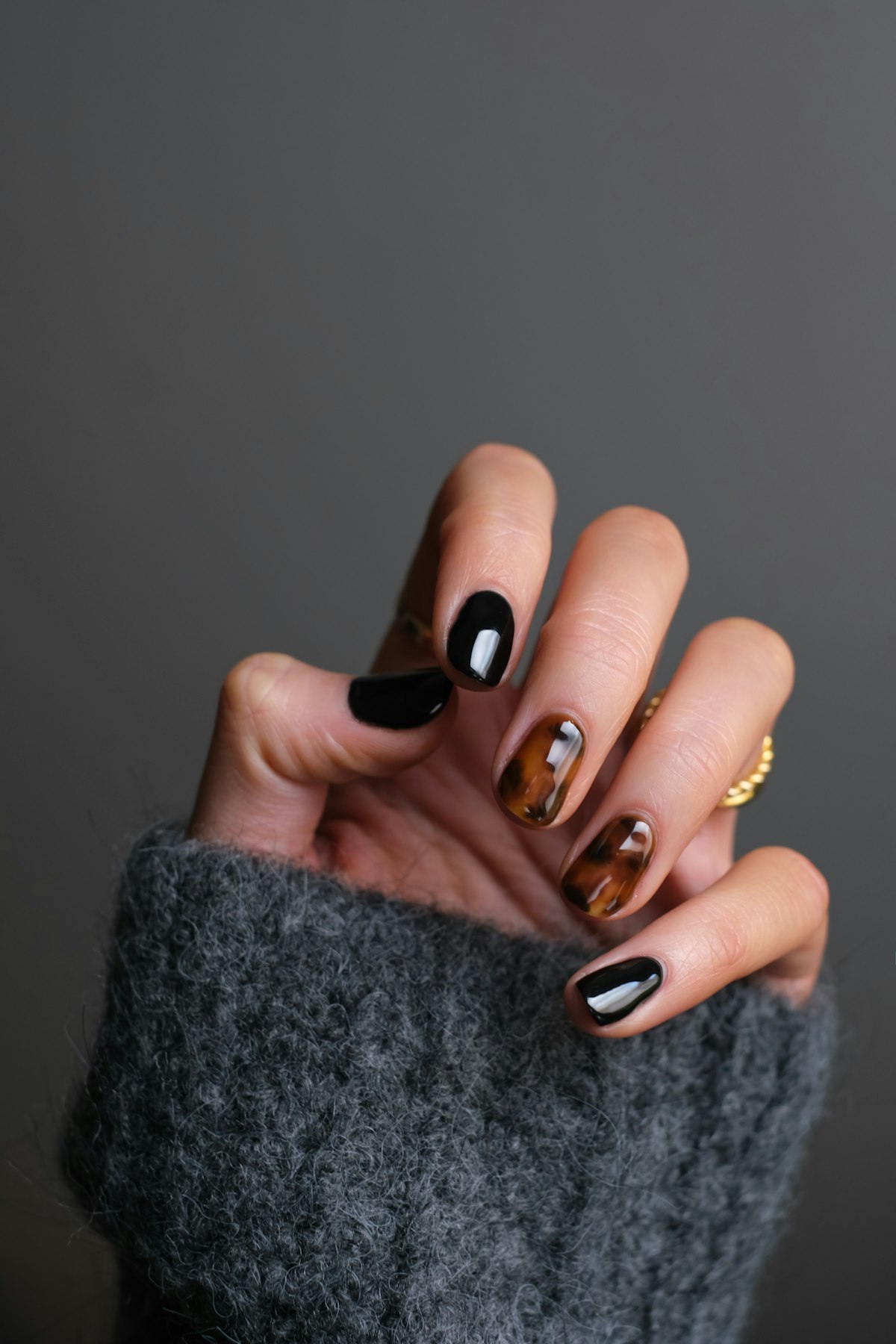
Ombre nails — a seamless gradient blending two or more colors from base to tip — are one of the most universally flattering and technically impressive nail art techniques. They look complex but are entirely achievable at home once you understand the sponge technique and color selection principles.
What You Need
- 2-3 nail polish colors for blending
- Makeup sponge (wedge or flat cosmetic sponge)
- Base coat and topcoat
- Petroleum jelly (for skin protection)
- Acetone + thin brush for cleanup
- Foil or palette for paint mixing
Choosing Colors That Blend
Not all color combinations blend smoothly. Best ombre combinations:
- Complementary shades: Same family — light pink to dark pink, nude to brown
- Adjacent colors: Pink to purple, yellow to orange, blue to purple
- Light to dark: Any color pale to saturated version of itself
- White or nude as anchor: Adding white at one end creates a clean fade-to-nothing effect
Avoid: Complementary color pairs that when blended create muddy brown (red+green, blue+orange) unless creating that brown mid-section intentionally.
Sponge Ombre Method (Regular Polish)
- Apply base coat and let dry
- Apply a base color (lightest ombre color) across the entire nail — this helps the gradient look seamless
- Apply petroleum jelly around each nail on the skin
- Paint color stripes on the sponge — paint Color A and Color B in overlapping bands on the flat face of the makeup sponge. If using 3 colors, overlap all three.
- Dab the sponge onto the nail — press, don’t drag. The sponge transfers a blended gradient. Dab 3-5 times in the same position, rebuilding intensity.
- Wipe petroleum jelly off surrounding skin — polish on skin will come with it
- Clean edges with an acetone-dipped brush for precise cleanup
- Apply topcoat once fully dry — the topcoat smooths the textured sponge surface
Gel Ombre Method
For gel ombre, use a flat nail art brush or silicone brush to blend two gel colors on the nail surface before curing:
- Apply gel base and cure
- Apply Color A gel to lower half of nail (don’t cure)
- Apply Color B gel to upper half — slightly overlapping the first color
- Use a clean flat brush to blend the overlap area with gentle back-and-forth strokes
- Cure; repeat with a second layer for more intensity if needed
- Apply clear topcoat and cure
Ombre Nail Variations
| Style | Colors | Technique |
|---|---|---|
| Classic tip ombre | Nude to coral | Sponge at tips only |
| Full nail gradient | Pink to purple | Sponge across full nail |
| Glitter ombre | Solid + glitter fade | Glitter polish sponged at tips |
| Sunset ombre | Yellow → orange → pink | Three-color sponge blend |
| Vertical ombre | Left to right color blend | Sponge positioned vertically |
FAQ
Why does my ombre look streaky?
You’re not dabbing enough times. Apply 5-8 dabs per nail in the same position to build smooth, even color. Also check that your sponge has the colors in overlapping bands (not separated).
What’s the best makeup sponge for ombre nails?
A dense foam wedge sponge or flat latex-free cosmetic sponge. Fluffy beauty blender-style sponges are too absorbent. Dollar store makeup sponges work perfectly — buy a multi-pack.
Can I do ombre nails without a sponge?
Yes — for gel, use a flat nail art brush to blend colors on the nail surface. For regular polish, try the dry brush technique: barely-loaded brush dragged lightly across the blend zone creates a similar effect.
How do I keep ombre nails from looking muddy?
Use colors from the same color family. When in doubt, test the blend on your sponge before applying to nail — if it looks muddy on the sponge, it will look muddy on your nail.
Leave a Reply