The Ultimate Nail Care Guide: Everything You Need for Healthy, Beautiful Nails
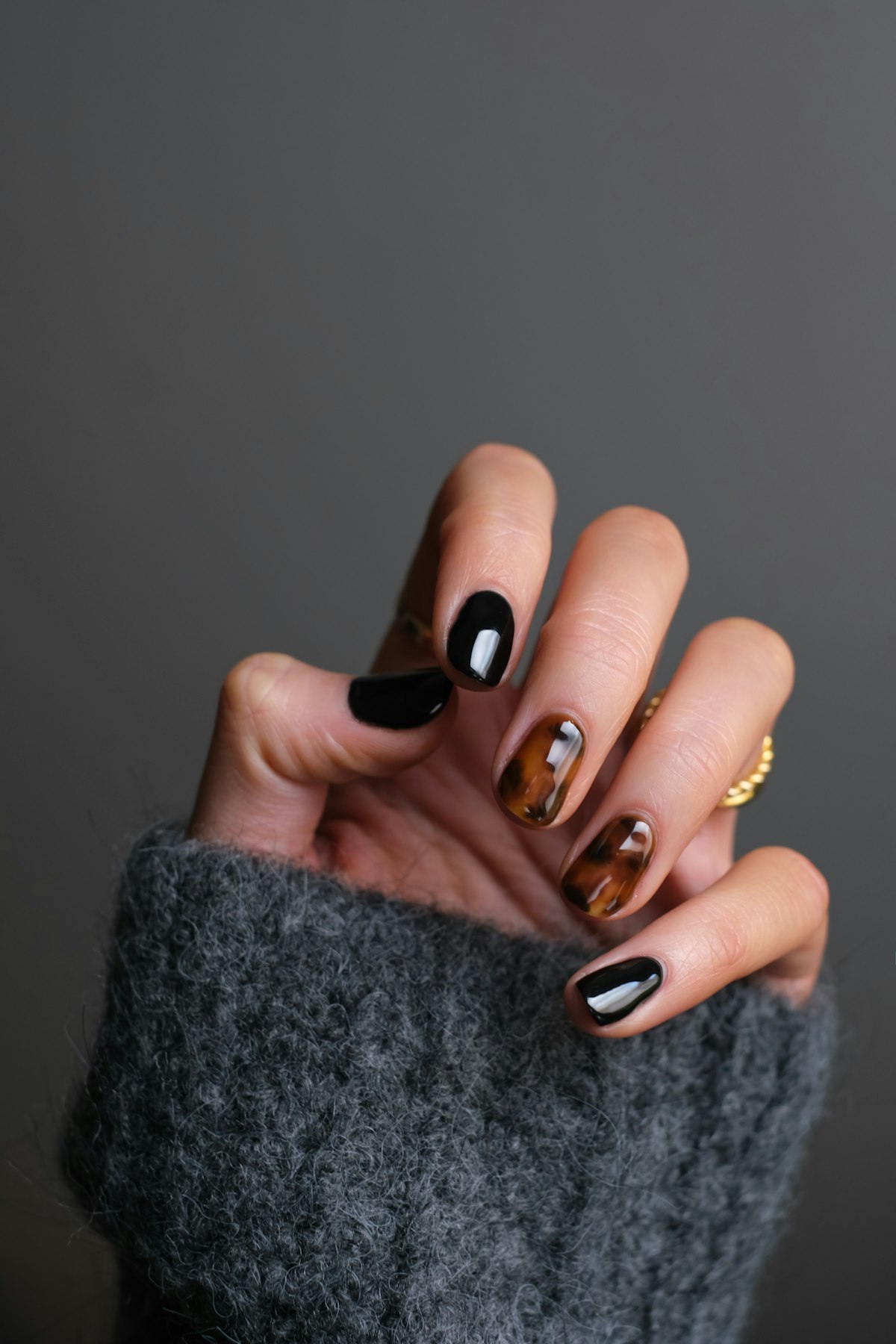
Beautiful nails don’t happen by accident — they’re the result of consistent, informed care. Whether you’re starting from scratch with damaged, bitten, or brittle nails, or simply want to elevate your existing routine, this comprehensive guide covers every aspect of nail care: nail anatomy, growth, tools, products, and the daily habits that produce lasting results.
Understanding Nail Anatomy
Knowing the parts of your nail helps you understand how to care for each component:
- Nail plate: The visible hard nail — made of keratin protein layers
- Nail matrix: The tissue under the base of the nail where growth originates
- Nail bed: The skin beneath the nail plate
- Cuticle: Protective skin seal at the nail base — essential to protect the matrix
- Lunula: The pale crescent at the nail base — the visible part of the matrix
- Free edge: The tip of the nail that extends beyond the fingertip
Nail Growth and Health
Fingernails grow approximately 3.5mm per month — a full regrowth takes 4-6 months. Growth rate is influenced by age (faster in youth), season (faster in summer), dominant hand (grows faster), diet, and health status.
| Nail Health Sign | What It Means | Solution |
|---|---|---|
| White spots | Minor trauma to nail matrix | Grow out; avoid trauma |
| Ridges (vertical) | Normal aging or mild dehydration | Hydrate, use ridge filler |
| Horizontal ridges | Beau’s lines — illness or stress | Address underlying cause |
| Yellow nails | Polish staining or fungal infection | Base coat; antifungal if needed |
| Brittle/splitting | Dehydration, iron deficiency | Cuticle oil, check diet |
Essential Nail Care Tools
- Glass nail file: Gentler than emery boards; seals nail edges to prevent peeling. File in one direction only.
- Cuticle pusher (orangewood stick or metal): Gently pushes back cuticles after softening with water or oil
- Cuticle nippers: For removing only dead hangnails — never cut living cuticle skin
- Buffer block: Smooths ridges and creates surface shine; use sparingly (over-buffing thins nails)
- Cuticle oil: The single most important nail care product — see our dedicated guide on benefits of cuticle oil
- Base coat: Protects nail from staining and improves polish adhesion
- Topcoat: Seals color and extends wear; apply every 2-3 days to refresh
Daily and Weekly Nail Routine
Daily Habits
- Apply cuticle oil morning and night — massage in for 30 seconds per nail
- Wear gloves for cleaning, dishwashing, and gardening
- Apply hand cream after every hand wash
- Avoid using nails as tools (opening cans, picking at labels)
Weekly Routine
- Remove old polish completely with acetone-free remover (or acetone, but moisturize after)
- Soak nails in warm water 3-5 minutes to soften cuticles
- Gently push back cuticles — never cut the living cuticle
- File nails to desired shape using glass file in one direction
- Buff gently to smooth surface (no more than once weekly)
- Apply dehydrator if applying gel, or proceed to base coat for regular polish
- Apply two thin coats of color and seal with topcoat
- Finish with cuticle oil massaged into each nail
Common Nail Problems and Solutions
Brittle and Peeling Nails
Apply cuticle oil 2-3 times daily. Give nails a “polish break” of 1-2 weeks. Use a nail hardener with keratin. Ensure adequate protein and biotin in your diet. See our dedicated guide on treating brittle nails.
Slow Nail Growth
Massage cuticle oil into the nail matrix area daily to stimulate circulation. Ensure adequate protein, iron, and B-vitamin intake. Stay hydrated. See our guide on how to make nails grow faster.
Nail Staining
Always apply a base coat before dark or pigmented polishes. To remove existing stains, buff very lightly or soak in lemon juice diluted with water for 10 minutes.
Nutrition for Nail Health
| Nutrient | Role in Nail Health | Food Sources |
|---|---|---|
| Biotin (Vitamin B7) | Strengthens nail plate, reduces brittleness | Eggs, nuts, seeds, sweet potato |
| Protein | Nails are keratin (protein) — essential for growth | Meat, fish, legumes, dairy |
| Iron | Deficiency causes brittle, spoon-shaped nails | Red meat, spinach, lentils |
| Zinc | Supports cell division for nail growth | Shellfish, pumpkin seeds, beef |
| Vitamin E | Antioxidant; supports nail bed circulation | Nuts, avocado, olive oil |
Frequently Asked Questions
How often should I cut my nails?
Every 2-4 weeks depending on growth rate and desired length. Use sharp nail clippers and file after cutting to smooth edges.
Should I push back or cut my cuticles?
Always push back — never cut living cuticle skin. Cutting cuticles removes the protective seal, opening the nail matrix to bacteria and infection.
Is it bad to always have nail polish on?
Continuous polish wear can cause mild yellowing and temporary dehydration. Give nails 1-2 weeks of “breathing” per season and always use a base coat. The idea that nails need to “breathe” is a myth — nails don’t absorb oxygen through their surface.
What’s the best way to strengthen nails quickly?
Apply cuticle oil twice daily, use a nail hardener, avoid water exposure (wear gloves), and take a break from gel manicures if your nails are very thin. Results are visible within 2-4 weeks.
When should I see a doctor about my nails?
See a dermatologist if you notice: greenish-black discoloration, pitting (small indentations) across the nail, separation of nail from nail bed (onycholysis), thickening with yellowing (possible fungal infection), or nails that change shape significantly without trauma.
Leave a Reply