Nail Art for Beginners: 20 Easy Designs You Can Do at Home
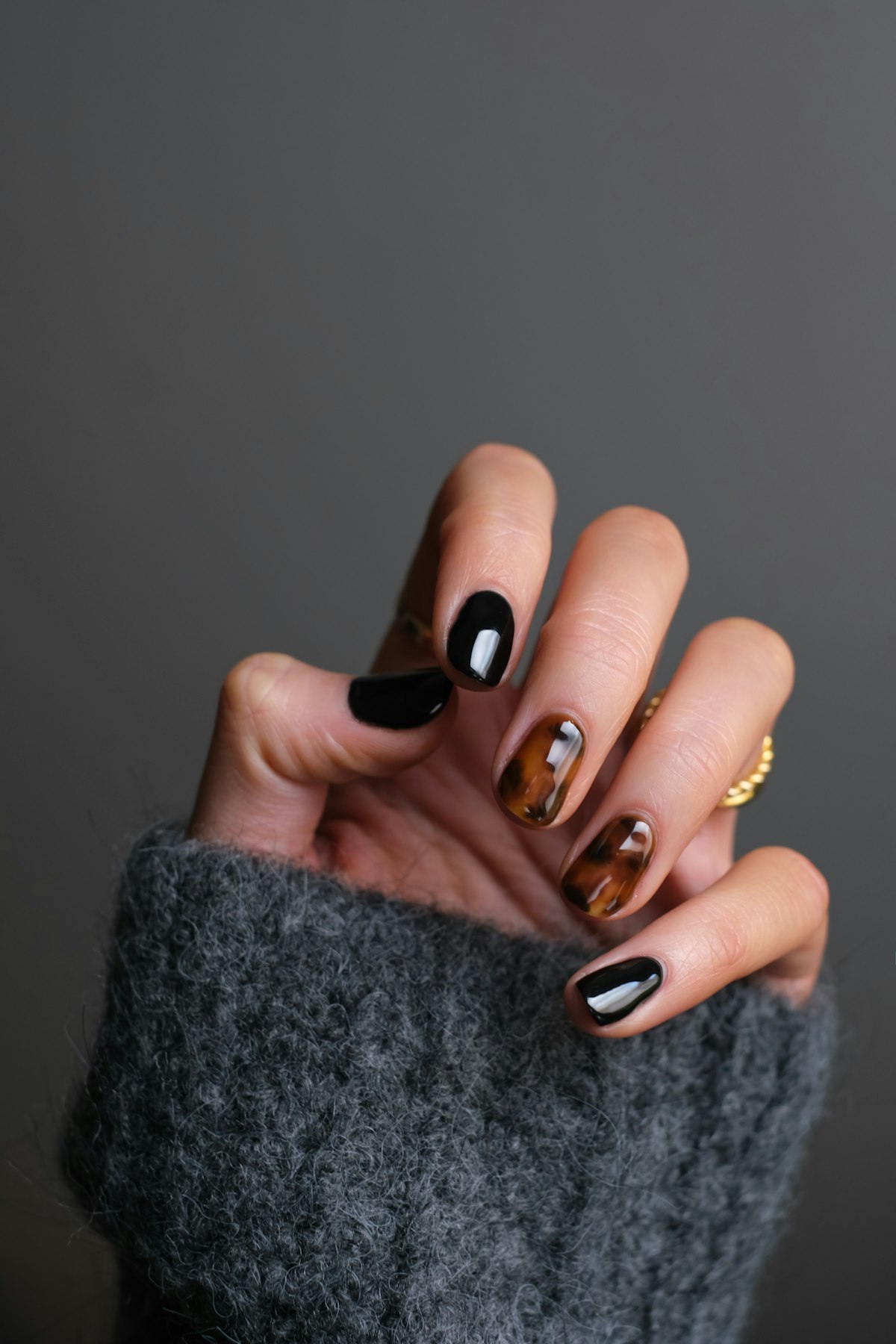
Nail art doesn’t have to be complicated. The most stunning beginner nail art uses simple tools — toothpicks, tape, sponges, and household items — to create designs that look far more complex than they are. This guide gives you 20 easy nail art designs organized by technique, with clear instructions and pro tips for each.
Beginner Nail Art Starter Kit
Before starting, gather these basics:
- 3-5 nail polish colors (including a neutral base and 2-3 accent colors)
- Toothpicks and dotting tools (or use the eraser end of a pencil)
- Painter’s tape or scotch tape
- Makeup sponge wedge
- Rhinestones and tweezers
- Quick-dry topcoat
- Petroleum jelly (for skin protection)
No-Tool Beginner Designs
Design 1: Negative Space French
Apply nude base coat. Cut tape into a curved moon shape, stick at the nail tip. Apply white polish below the tape on the tip. Remove tape. The tape does all the work — you get a perfect curved French tip every time.
Design 2: Color Block
Apply base color. Once dry, stick tape at a diagonal across the nail. Apply a contrasting color to the exposed section. Remove tape immediately for a clean geometric line. Two-color nails in 5 minutes.
Design 3: Accent Nail
The easiest “nail art” — paint 9 nails in one solid color, paint the ring finger nail in a contrasting color, metallic, or glitter. The single accent nail elevates the entire look without any art skill.
Design 4: Glitter Tips
Apply base color. Dip a sponge in glitter polish and dab onto the tip area only, building up gradually. Creates a gradient glitter tip without any precise application needed.
Dotting Tool Designs
Design 5: Classic Polka Dots
Apply base color. Dip dotting tool (or toothpick eraser) in contrasting color and dot evenly across the nail. Vary dot sizes for visual interest. No artistic skill needed — uniformity creates the pattern.
Design 6: Five-Petal Flower
Five dots arranged in a circle = petals. One center dot in a different color = flower center. Three flowers per nail creates a full floral design. The imperfection of handmade dots adds charm.
Design 7: Confetti Dots
Random dots of multiple colors scattered across a white or nude base. Use 3-5 different colors. The more random and varied the placement, the better. Looks like a party.
Design 8: Dot Gradient
Start with large dots at one corner, graduating to smaller and smaller dots across the nail. The gradient of size creates an elegant, modern geometric effect.
Tape and Stencil Designs
Design 9: Stripe Nails
Apply parallel strips of tape across the nail, leaving small gaps. Paint over everything. Remove tape before polish dries. The gaps become stripes of the base color showing through.
Design 10: Chevron Tips
Form a V shape at the nail tip with two pieces of tape meeting at a point. Paint below the V. Remove tape. Perfect chevron tip every time.
Design 11: Window Pane
Create a grid across the nail using vertical and horizontal tape strips. Paint over everything. Remove tape for a grid/windowpane design in the base color.
Design 12: Half-Moon
Stick a circular sticker (hole-punch reinforcement sticker or round label) at the nail base. Paint the exposed nail. Remove sticker. A perfect half-moon design.
Sponge Designs
Design 13: Simple Ombre
Paint two colors in overlapping bands on a sponge, dab onto nail 4-5 times. Wipe cleanup with petroleum jelly then wipe with cotton. Perfect gradient every time. Full tutorial: ombre nail art tutorial.
Design 14: Sunset Nails
Three colors on the sponge: yellow at base, orange in middle, pink at tips. Dab across the full nail for a sunset gradient. Apply tiny black palm tree or bird silhouette stickers for the full sunset scene.
Design 15: Galaxy on Nails
Sponge on dark purple and deep blue over black base. Add tiny white dots with toothpick for stars. Optional: add a streak of silver for a shooting star. A galaxy in 10 minutes.
Embellishment Designs (Zero Painting Required)
Design 16: Rhinestone Cluster
Apply topcoat. While tacky, place rhinestones in your chosen pattern using tweezers or a picker pen. A cluster at the base, a row at the tip, or scattered randomly all look intentional and beautiful.
Design 17: Foil Crinkle
Apply foil adhesive gel and let dry to tacky. Press foil sheet onto the nail, press firmly, peel back. The foil adheres in a crinkled, metallic abstract pattern.
Design 18: Nail Sticker Art
Apply base color. Once dry, peel and apply nail stickers or nail decals. Seal with topcoat. This creates the most complex-looking designs with zero skill. Explore our full DIY nail decals guide for sticker techniques.
Design 19: Dried Flower Accent
Apply clear topcoat while still tacky. Press a small dried flower (pansy, lavender, daisy) onto the nail. Apply another layer of topcoat to encapsulate. Nature-inspired, unique, and impressively beautiful.
Design 20: Chrome Powder Accent
Apply gel base, cure. Apply no-wipe gel topcoat, cure. Rub chrome powder with a silicone applicator onto one or two accent nails. Apply topcoat and cure. Mirror-effect accent nails — by far the most impressive beginner design on this list. Full guide: chrome nails guide.
FAQ
How long should I wait between nail polish coats?
2-3 minutes for regular polish between coats. Test by touching very lightly — if the surface doesn’t dent or drag, it’s ready for the next coat. Rushing causes bubbles, streaking, and smearing.
What’s the most beginner-friendly nail art?
The accent nail (Design 3) — requires zero art skill and looks intentional immediately. Chrome powder accent (Design 20) delivers the most impressive result for the skill required.
How do I fix a mistake in nail art?
For fresh mistakes: wrap a toothpick in cotton dipped in acetone and erase the error precisely. For dried designs: carefully paint over with base or background color to cover, let dry, then re-apply the design.
Do I need special nail art polish or can I use regular polish?
Regular nail polish works for all designs in this guide. Nail art-specific polishes (striping polish, stamping polish) offer convenience but aren’t necessary for beginners.
Leave a Reply