How to Stop Biting Your Nails: 12 Proven Methods That Actually Work
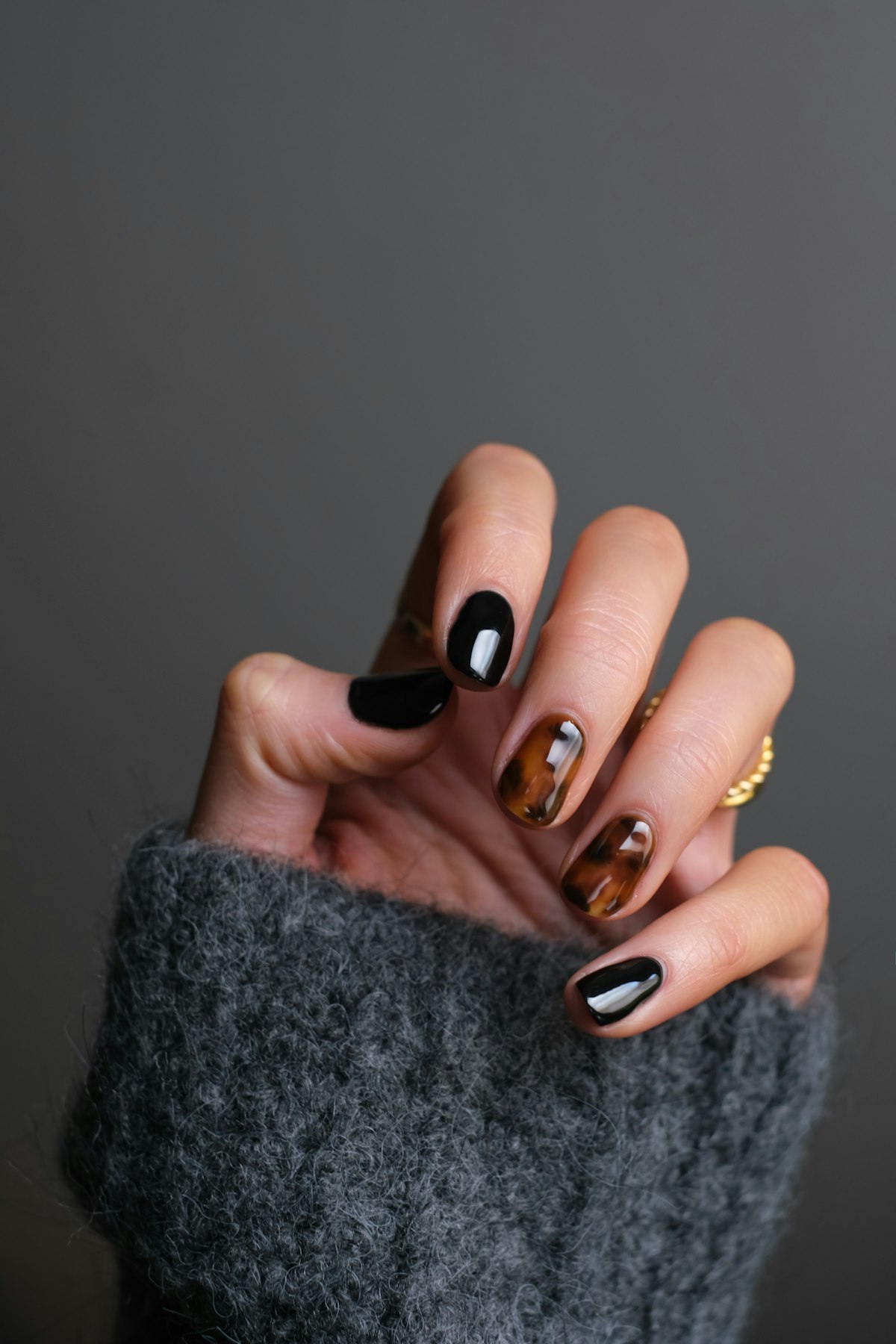
Nail biting — medically known as onychophagia — affects an estimated 20–30% of adults and up to 45% of teenagers. It’s classified as a body-focused repetitive behavior (BFRB) and while it seems like a minor habit, it can cause significant damage to nails, nail beds, and surrounding skin, and increases risk of infection.
If you’ve tried to stop and failed, you’re not alone. Nail biting is driven by anxiety, boredom, and neurological habit loops that require specific strategies to interrupt. This guide gives you 12 evidence-based methods to stop nail biting for good.
Why People Bite Their Nails
Stress and Anxiety
The most common trigger. When stressed, the body seeks self-soothing behaviors. Nail biting provides a repetitive, rhythmic action that temporarily reduces anxiety — similar to how some people twirl hair or tap their feet.
Boredom and Under-stimulation
When the brain is under-stimulated, it seeks sensory input. Nail biting provides oral and tactile stimulation that satisfies this craving automatically and unconsciously.
Perfectionism
Many nail biters bite in response to perceived imperfections — a rough edge, a hangnail, an uneven nail. What starts as “fixing” one snag becomes a habit that escalates.
Habit and Automaticity
After enough repetitions, nail biting becomes automatic — done without conscious awareness while reading, watching TV, or working. The neurological habit loop (cue → routine → reward) operates below conscious thought.
Damage Nail Biting Causes
| Type of Damage | Description | Recovery Time |
|---|---|---|
| Nail plate damage | Irregular edges, ridging, discoloration | 6 months to regrow fully |
| Nail matrix injury | Damage to growth center affects future nail shape | Up to 12 months |
| Cuticle damage | Torn, raw cuticles create infection risk | 2-4 weeks |
| Paronychia | Bacterial or fungal nail bed infection | 1-3 weeks with treatment |
| Dental damage | Enamel erosion, misalignment risk | Permanent without intervention |
Physical Barrier Methods
Method 1: Bitter-Tasting Polish
Specially formulated nail polishes with an intensely bitter taste (containing denatonium benzoate) create an immediate deterrent. Products like Mavala Stop and ORLY No Bite are applied like nail polish and last several days per application.
Effectiveness: High for habit-driven biting; moderate for anxiety-driven biting.
How to use: Apply to clean nails every 3-5 days. Reapply after washing hands. Most people see results within 2-4 weeks.
Method 2: Adhesive Nail Covers
Wearing press-on nails, gel extensions, or adhesive nail covers makes biting mechanically difficult and uncomfortable. The length and texture disrupts the habit loop effectively. See our guide to press-on nails for application tips.
Method 3: Finger Bandages or Tape
Wrapping fingertips in bandages or medical tape creates a tactile reminder without chemicals. Highly effective as a short-term intervention and awareness tool.
Method 4: Gloves
Thin cotton or rubber gloves worn during high-risk periods (TV watching, computer work) prevent access to nails entirely. Keep a pair at your desk and nightstand.
Method 5: Nail Wraps and Stickers
Decorative nail wraps applied over the nail make biting feel wrong — you’re destroying something pretty. Particularly effective for aesthetically motivated people.
Behavioral Strategies
Method 6: Habit Reversal Training (HRT)
HRT is the gold-standard psychological approach for BFRBs. It involves awareness training (logging every instance), competing responses (clenching fists instead of biting), and motivation enhancement (tracking progress and milestones).
Studies show HRT reduces BFRB behaviors by 60-90% when practiced consistently for 4+ weeks.
Method 7: The One-Week Rule
Commit to keeping all ten nails unbitten for just one week. Place check marks on a calendar for each successful day. Short-term commitments build momentum more effectively than open-ended goals.
Method 8: Trigger Mapping
Keep a small notebook and note every time you catch yourself biting — what you were doing, feeling, and thinking. Patterns emerge quickly. Once triggers are identified, you can disrupt the cue-routine-reward loop directly.
Method 9: Substitute Oral and Tactile Habits
- Chew sugar-free gum during high-risk periods
- Keep a fidget ring or textured object at your desk
- Carry a nail file so imperfections can be smoothed (not bitten)
- Sip water through a straw while watching TV
Nail Care Motivation Techniques
Method 10: Invest in Your Nails
Get a professional manicure. Research consistently shows that people are less likely to destroy something they’ve invested money in. A fresh gel manicure serves as both a physical barrier and a psychological deterrent.
Method 11: Document Progress with Photos
Photograph your nails weekly. Visible progress — nails growing, cuticles healing — is powerfully motivating. Create a before-and-after visual timeline on your phone.
Method 12: Set a Nail Growth Goal
Choose a specific nail look you want to achieve — long almond nails, a French manicure, nail art — and work toward it. Having a positive goal is more motivating than avoiding a negative behavior.
Once your nails begin recovering, explore our guides on strengthening brittle nails and beginner nail art to celebrate your progress.
Stress and Anxiety Management
For anxiety-driven nail biting, addressing the root cause is essential:
- Mindfulness meditation: Even 5-10 minutes daily reduces the unconscious anxiety that drives compulsive behaviors
- Regular exercise: Physical activity metabolizes stress hormones that trigger nail biting
- Sleep hygiene: Sleep deprivation increases anxiety and reduces impulse control
- Therapy: CBT and ACT are evidence-based treatments for anxiety-related BFRBs
Nail Recovery After Stopping
Once you stop biting, nails need 3-6 months to fully recover. Support recovery with daily cuticle oil, biotin supplements (consult your doctor), nail hardeners with keratin and calcium, a protein-rich diet, and regular filing to smooth rough edges.
Frequently Asked Questions
How long does it take to stop nail biting?
Most people see significant reduction within 4-8 weeks of consistent effort. Full habit elimination typically takes 3-6 months depending on severity and underlying anxiety levels.
Is nail biting a mental health issue?
Nail biting is classified as a body-focused repetitive behavior (BFRB). While not a standalone disorder, it’s often associated with anxiety, OCD spectrum conditions, and ADHD. Severe cases benefit from professional support.
Can bitter nail polish harm children?
Bitter nail polishes are generally considered safe, but check ingredients and consult your pediatrician for children under 5. The bitterness is unpleasant but non-toxic in typical amounts.
Do fidget toys actually help?
Yes — for people whose nail biting is driven by need for tactile stimulation, fidget objects provide an effective substitute. Choose a compact, silent option for professional environments.
Will my nails ever look normal again?
Yes. Damaged nails fully regrow within 6 months in most cases. Nail matrix damage can occasionally cause permanent minor shape changes, but this is rare.
Should I seek professional help for nail biting?
Consider professional support if nail biting causes bleeding, infection, significant social distress, or if you’ve been unable to stop despite sustained effort.
Once your nails grow out, reward your hard work with beautiful nail art. Start with our beginner nail art guide and our recommendations for the best nail polish colors for your skin tone.
Leave a Reply