Gel nail extensions used to require a professional salon visit. Not anymore. With the availability of quality gel extension kits and builder gel products, DIY gel extensions are absolutely achievable at home — and the results can rival professional work once you’ve practiced the technique.
This guide covers three different methods for DIY gel extensions (from easiest to most advanced), with complete step-by-step instructions for each.
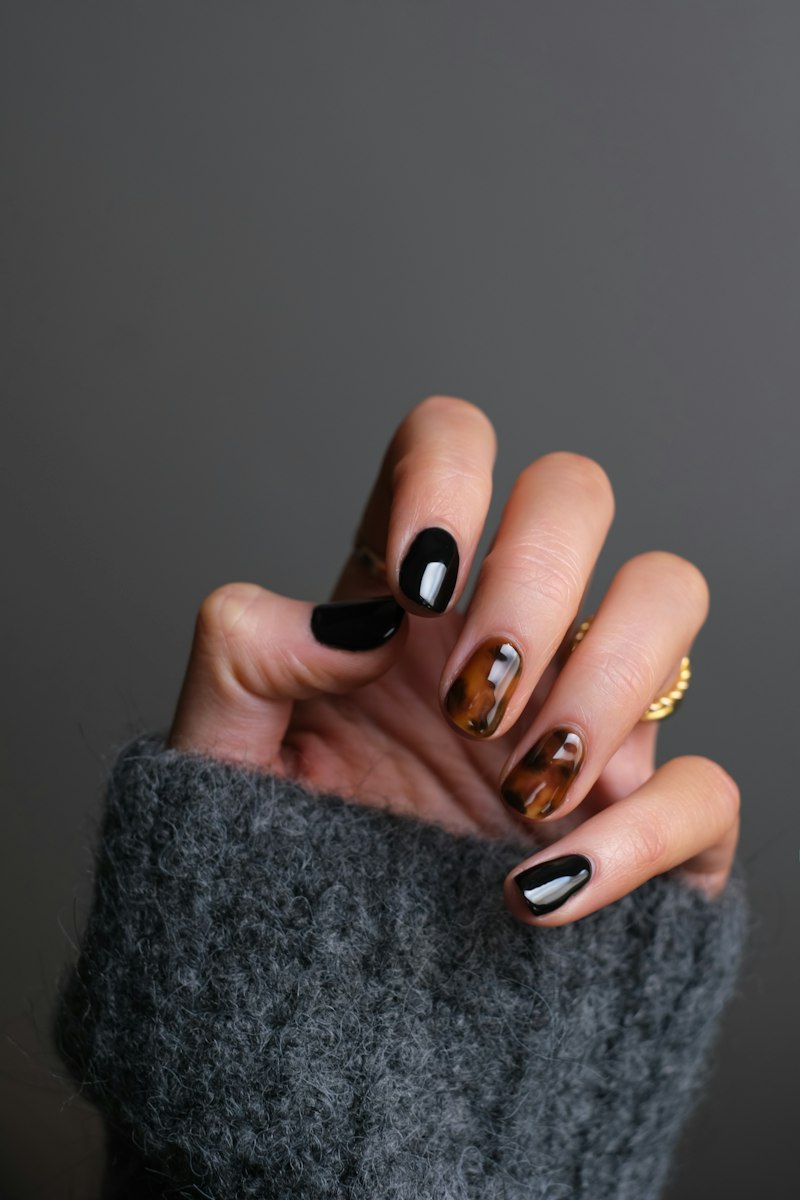
Types of Gel Nail Extensions
| Type | Difficulty | Durability | Best For |
|---|---|---|---|
| Soft Gel Tips | Easiest | 3-4 weeks | Absolute beginners |
| Builder Gel with Forms | Intermediate | 4-6 weeks | Those who want more sculpting control |
| PolyGel | Intermediate | 4-6 weeks | Lightweight extensions, great control |
Tools and Products You Need
Universal Requirements:
- UV/LED nail lamp (minimum 48W for gel curing)
- Nail prep supplies: file, buffer, dehydrator, primer/bond
- Cuticle pusher
- Nail clips or tape (for forms)
- Gel base coat, gel color, gel top coat
- Pure acetone for cleanup
- Isopropyl alcohol and lint-free wipes
- Nail file set (100, 180, 220 grit)
Method-Specific Products:
- Soft Gel Tips method: Pre-made soft gel tip set (sized per nail), gel nail glue
- Builder Gel method: Builder gel (thick self-leveling gel), nail forms
- PolyGel method: PolyGel tube, PolyGel brush, slip solution (or 91% isopropyl alcohol)
Method 1: Soft Gel Tips (Easiest)
Soft gel tips are pre-made extension tips made from thin, flexible gel material. They’re glued to the natural nail, then covered in regular gel polish. This is the quickest and most beginner-friendly gel extension method.
Step-by-Step:
- Prep nails completely: Clean, dehydrate with alcohol, push back cuticles, lightly buff surface.
- Size and fit each tip: Hold each soft gel tip against the corresponding nail to confirm correct width. Tips should cover edge to edge without touching skin.
- Apply gel nail glue to the inside of the soft gel tip.
- Press onto nail at the cuticle line and hold for 30-60 seconds until fully bonded.
- Cure under lamp for 60 seconds if glue specifies UV curing (check your product).
- File and shape the tip length and shape to your desired look.
- Apply gel base coat, cure. Apply gel color (2 coats, cure each). Apply gel top coat, cure.
- Wipe sticky layer with isopropyl alcohol.
Best soft gel tip brands: Aprés Gel-X, KISS Salon Acrylic, Modelones Soft Gel Tips
Method 2: Builder Gel with Nail Forms
Builder gel is a thick, self-leveling gel used to sculpt extension length directly on the natural nail using a nail form as a scaffold. This gives you full control over length and shape but requires more skill.
Step-by-Step:
- Prep nails as above. Apply a gel primer/bond coat and cure.
- Fit a nail form under the free edge of the nail, shaping it to guide the extension length.
- Apply builder gel in small amounts, building from the natural nail out onto the form. Work in thin layers.
- Sculpt the shape: Use your brush to create the desired apex (the highest point of the nail, usually at the stress zone) and taper to the tip.
- Cure each layer (30-60 seconds per layer depending on gel thickness and lamp wattage).
- Remove the nail form.
- File and buff to perfect shape and smooth surface.
- Apply gel color and top coat as above.
Method 3: PolyGel Extensions
PolyGel is a hybrid between acrylic and gel — it comes in a tube, is lighter than acrylic, and doesn’t set until cured under a lamp (unlike acrylic which air-dries). This gives you more working time and control than traditional builder gel.
Step-by-Step:
- Prep nails and apply primer/bond.
- Fit a nail form or use a dual form (C-curve clear tip that molds the extension shape).
- Squeeze a small amount of PolyGel onto the brush.
- Dip brush in slip solution (or alcohol) to prevent sticking.
- Apply PolyGel to the nail, spreading and sculpting into shape. The slip solution allows you to smooth it without it sticking to the brush.
- Cure under lamp for 60-90 seconds.
- Remove the dual form if used, or remove nail form.
- File, shape, and buff to perfection.
- Apply color and top coat.
Best PolyGel brands: Beetles PolyGel, Modelones PolyGel, Melodysusie PolyGel
Filing, Shaping, and Finishing
The finishing stage determines whether home gel extensions look professional or amateur. Take time with this step:
Filing Sequence:
- 100-grit file: Removes excess gel, shapes the length
- 180-grit file: Refines the shape, smooths the surface
- 220-grit file/buffer: Smooths further, removes scratches from coarser files
- Fine buffer: Creates a smooth, even surface for gel color application
Shape Considerations:
The most popular extension shapes for 2026 are coffin (tapered square), almond, and stiletto. For your first time, round or oval are the most forgiving shapes to file. Check our nail shapes guide for detailed guidance on filing each shape.
Maintenance and Fill-Ins
Gel extensions need maintenance as your natural nails grow:
- Every 2-3 weeks: Fill the gap at the cuticle (where new nail has grown) with fresh builder gel, then resurface with new gel color and top coat
- Every 4-6 weeks: Full removal and fresh set recommended to prevent lifting and structural issues
- Daily: Apply cuticle oil around the base of each nail to keep the nail bed healthy under extensions
Frequently Asked Questions
How long do DIY gel extensions last?
With proper application and maintenance, DIY gel extensions last 3-5 weeks before needing a fill or removal. Soft gel tips typically last 3-4 weeks; builder gel and PolyGel sculpted extensions last 4-6 weeks. Daily cuticle oil application significantly extends wear time by keeping the natural nail flexible.
What’s the easiest DIY nail extension method for beginners?
Soft gel tips are the easiest by far. They’re pre-made, require no sculpting skill, and the application is similar to press-on nails but much more durable. Start with soft gel tips, get comfortable with the prep and finishing process, then progress to PolyGel or builder gel when you want more sculpting control.
How do I remove gel extensions safely at home?
File down the bulk of the extension length and surface gel, then use the acetone foil method: soak cotton in acetone, wrap each nail in foil, wait 15-20 minutes. The extensions will soften and slide off. Never force or pry — if resistance remains, soak for another 5-10 minutes. See our gel nail removal guide for complete instructions.
Gel nail extensions at home are a completely learnable skill. Start with soft gel tips for your first attempts, practice finishing and shaping, and within 2-3 attempts you’ll achieve results that look salon-professional. For related guides, see our gel nails at home guide and acrylic vs gel nails comparison.
Leave a Reply