15 Easy Beginner Nail Designs Anyone Can Do at Home
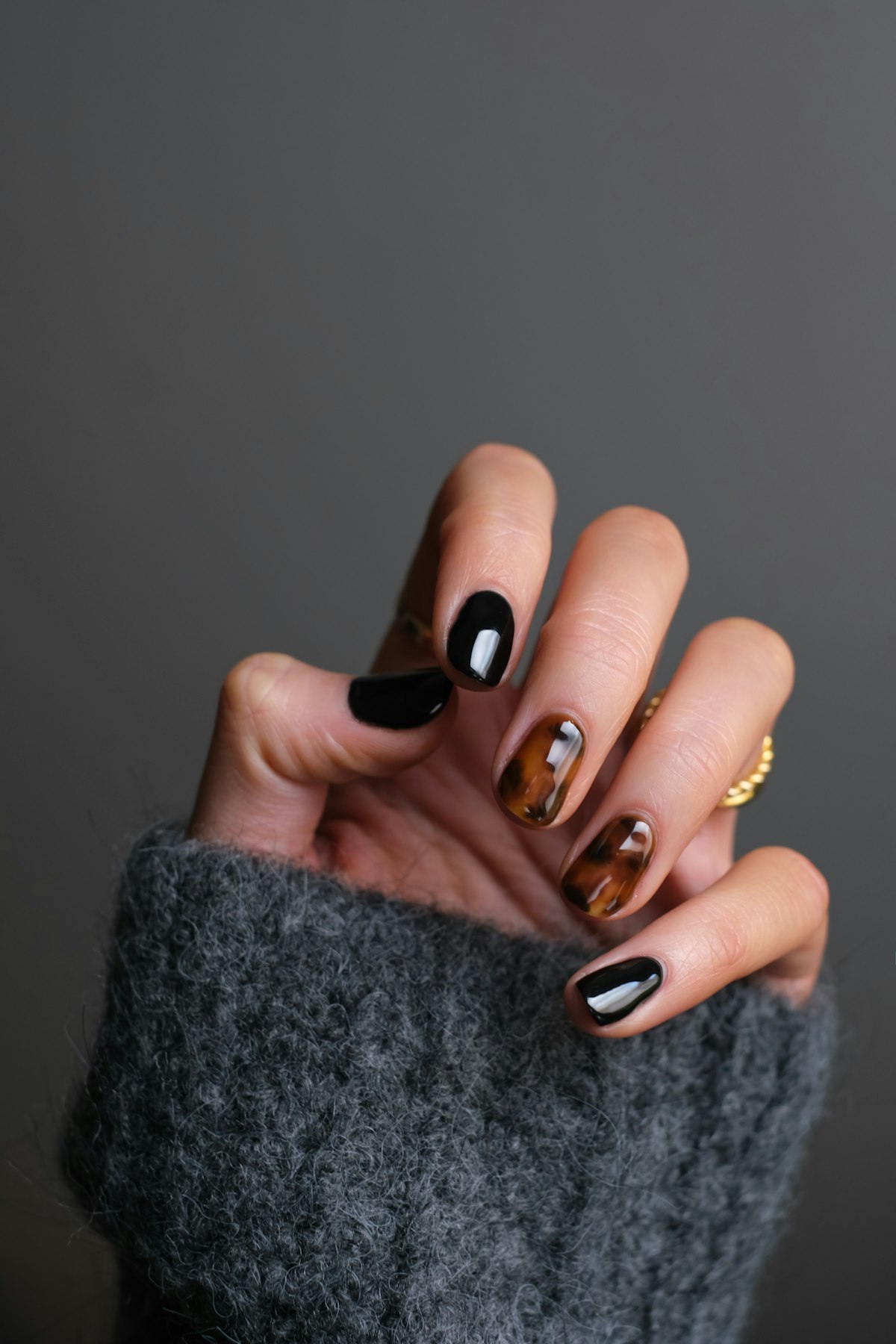
You don’t need years of experience or a steady surgeon’s hand to create beautiful nail art. The designs in this guide are specifically chosen for beginners — they look impressive but require minimal tools and forgiving techniques. Start with these 15 designs and build your confidence before tackling more complex art.
Tools That Make Beginner Art Easy
- Dotting tool or toothpick: For every dot-based design
- Painter’s tape or scotch tape: For geometric shapes and clean lines
- Makeup sponge: For ombre and texture effects
- Nail art pen: For thin lines without a brush
- Rhinestones and tweezers: For embellishment without painting skill
Dot-Based Designs (No Brush Required)
Design 1: Classic Polka Dots
The most beginner-friendly nail art: apply base color, let dry, then place evenly-spaced dots using a dotting tool or toothpick dipped in contrasting polish. Works in any color combination. Go for symmetrical placement or scattered randomness — both look intentional.
Design 2: Flower Dots
Five dots arranged in a circle (one in the middle of each petal position) + one center dot in a contrasting color = instant flower. Place three flowers per nail for a floral pattern that requires zero painting skill.
Design 3: Half-Moon Accent
Use a reinforcement sticker (hole-punch sticker) at the nail base as a guide, paint the upper nail in a contrasting color, remove sticker. Creates the classic half-moon design with zero freehand skill.
Design 4: Gradient Dots
Apply dots in graduating sizes from one corner of the nail — large at the corner, progressively smaller as they spread diagonally. Creates an elegant, modern geometric look using only a dotting tool.
Tape and Stencil Designs
Design 5: Diagonal Color Block
Apply base color. Once dry, place tape diagonally across the nail. Apply a second color to the exposed section. Remove tape immediately while polish is still wet. Result: a perfectly clean diagonal two-tone nail.
Design 6: Geometric Triangle
Create a triangle at the nail tip using two pieces of tape forming a V-shape. Fill the triangle with metallic or contrasting polish. Remove tape. The result looks architectural and intentional.
Design 7: Striped French Tip
Use striping tape across the nail at various positions to create parallel stripes of color across a nude base. Remove tape while polish is wet. Creates a graphic, modern design that’s completely tape-guided.
Design 8: Stained Glass Tape Design
Place strips of tape randomly across the nail in a pattern, leaving gaps. Paint different colors in each exposed gap. Remove tape to reveal the “stained glass” pattern. No two are alike.
Sponge Designs
Design 9: Simple Ombre
Paint two colors on a sponge in overlapping bands, then dab onto nails. See our complete ombre nail art tutorial for full instructions. This is the most beginner-friendly “impressive” technique.
Design 10: Glitter Fade
Apply base color. Once dry, apply glitter polish onto a sponge and dab at the tips only, building glitter concentration gradually. Results in an elegant glitter gradient that’s far subtler (and more sophisticated) than all-over glitter.
Design 11: Galaxy Nails
Sponge on black, dark purple, and deep blue over a black base, then dab on tiny white dots with a toothpick for stars. The sponge blending makes the galaxy look authentic without requiring any special technique.
Accent and Embellishment Designs
Design 12: Rhinestone Accent
Paint nails in any solid color. While topcoat is still tacky, place rhinestones in a simple pattern — a row at the base, a cluster at the tip, or a single large stone. This requires only tweezers and no painting skill. Results are stunning.
Design 13: Foil Accent
Apply foil adhesive to the nail, wait until tacky, press foil sheet onto the nail, peel off. The foil adheres in a crinkled, metallic pattern. The irregularity is the beauty — no two foil nails look identical.
Design 14: Negative Space
Paint a solid base but leave strategic areas of the nail unpainted — a diagonal stripe of bare nail, a geometric cutout, or just the nail tips. Negative space designs look complex but are literally just “paint less.”
Design 15: Nail Sticker Art
Apply any solid base color. Once dry, apply nail stickers or decals — available in florals, abstract art, characters, and every design imaginable. Seal with topcoat. This produces the most complex-looking nail art of anything on this list, with zero painting skill required. See our guide on DIY nail decals for more options.
FAQ
What’s the easiest nail design for absolute beginners?
Rhinestone placement — requires no painting, just placing gems on tacky topcoat. Results look professional immediately. Followed closely by the tape diagonal color block design.
How do I stop nail art from smearing?
Ensure the base polish layer is completely dry before adding art. “Dry” means it no longer dents when gently touched — typically 15-20 minutes minimum for regular polish.
What nail length is best for beginner nail art?
Medium length is easiest — enough surface area to work with, but not so long that the nail flexes and smears designs during application. Oval or square shapes provide the most canvas.
Can I do nail art with regular polish or do I need special products?
Regular nail polish works for all designs in this guide. Special products (nail art pens, stamping polish) are helpful but not necessary for beginners.
Leave a Reply