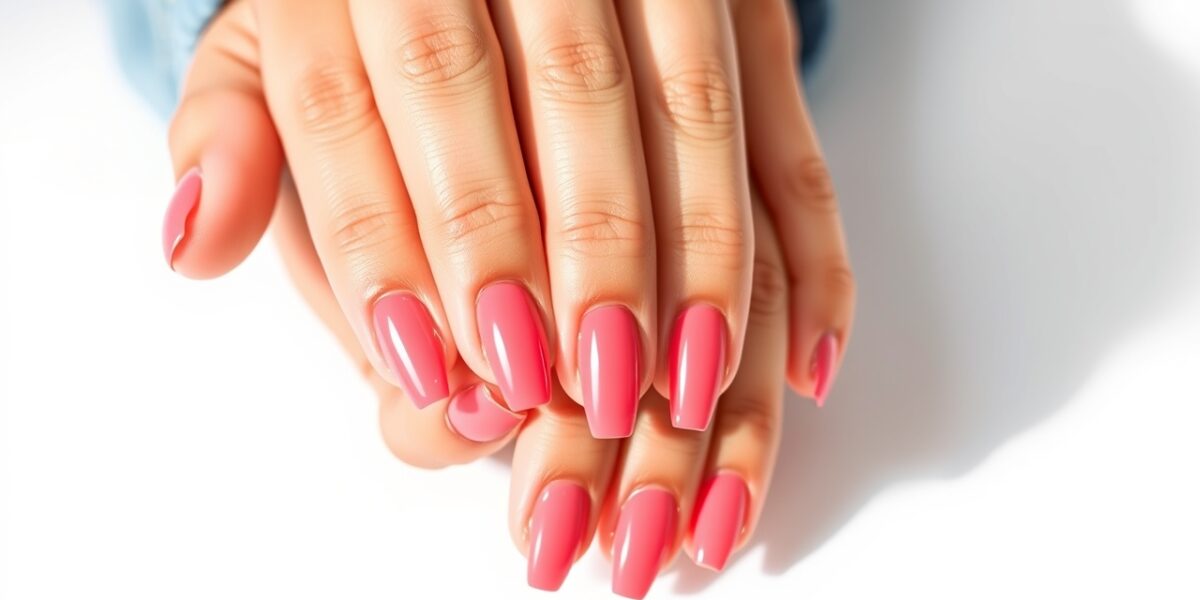
How to choose nail colors for your skin tone can transform the way you present yourself, turning each manicure into a statement of confidence. When you match your polish to your natural complexion, your nails feel like a subtle extension of your style rather than an afterthought.
Understanding Skin Undertones
Before you pick a hue, you need to know whether your skin leans cool, warm, or neutral. This foundation will help you filter out colors that clash and highlight those that enhance your natural glow.
- Cool undertones have hints of blue or pink. Think of a rosy blush or a faint lavender.
- Warm undertones glow with peach, gold, or yellow tones, like a sun‑kissed complexion.
- Neutral undertones sit between the two, often a mix of both warm and cool shades.
To spot your undertone, look at the veins on your wrist. Blue or purple veins suggest cool, green veins hint at warm, and a mix points to neutral. Another quick test: hold a white sheet of paper beside your face; if your skin looks pinkish, you’re likely cool; if it appears yellowish, you’re warm.


Matching Nails to Undertones
Once you have the undertone, you reduce the guessing game by using a simple color wheel. Cool undertones pair beautifully with jewel tones—emerald, sapphire, and amethyst—while warm undertones shine with earth tones like terracotta, mustard, and olive. Neutral undertones have the flexibility to experiment with both sides, but muted pastels often look especially elegant.
Seasonal Color Cycles
Fashion isn’t static; it cycles through seasons. Knowing which colors dominate each season can help you stay on trend without compromising your natural look.
- Spring favors soft, pastel shades such as blush pink, mint green, and baby blue—great for cool undertones.
- Summer bursts with bright, saturated colors like coral, turquoise, and neon yellow—ideal for warm undertones.
- Fall brings deeper, richer hues—burnt orange, burgundy, and forest green—suiting both undertones but especially warm.
- Winter embraces bold, cool colors—deep navy, charcoal, and classic red—perfect for cool undertones.
Remember, these are guidelines, not hard rules. The key is to feel comfortable and confident in the shade you pick.
How to Choose Nail Colors for Your Skin Tone: Step‑by‑Step
- Identify your undertone. Use the vein or paper tests described above.
- Decide on the season. Are you looking for a fresh spring look or a bold winter statement?
- Pick a base color. Choose a shade that sits in the color wheel’s zone opposite your undertone for contrast.
- Test a sample. Apply a small amount of polish to one nail and let it dry. Step back and evaluate against your skin.
- Adjust if necessary. If the color feels too harsh or too muted, try a slightly lighter or darker version.
- Finalize the look. Once satisfied, apply the chosen color to all nails, or create a split‑color design for a playful twist.
Tips for a Flattering Polish Shade
- Use a clear top coat to enhance depth without altering hue.
- Consider matte versus glossy finish; matte can soften bold colors, while gloss adds a pop.
- For a subtle effect, apply the polish twice—first a thin coat, then a second thicker layer.
- Pair your nail color with a matching or complementary nail art design, such as a simple line or a tiny accent nail.
Common Mistakes to Avoid
Even seasoned nail lovers can stumble. Here are three pitfalls that often derail even the best color choices.
- Ignoring undertone. Many people pick a color that looks great on display but clashes with their skin when worn.
- Overlooking the base skin tone. A very light or very dark skin tone can influence how a color appears—lighter skins often look better with deeper shades, while darker skins shine with brighter colors.
- Neglecting nail health. A damaged nail can absorb too much polish, altering the intended hue.
Beyond Color: Nail Shape and Polish Texture
Shape and texture can amplify or diminish the effect of your chosen color. For instance, a short, square nail shape can make a bright red look bold and striking, whereas a long, tapered nail can showcase a subtle pastel with elegance.
Texture also matters: a matte finish can soften a saturated color, while a high‑gloss finish can intensify it. Try experimenting with a satin top coat for a middle ground.
Professional Insights from Nail Technicians
Many salons now offer custom color matching services. A skilled technician will consider your undertone, skin tone, and even your outfit to recommend the most flattering polish.
Ask for a “palette test” where several shades are applied to a single nail. This visual comparison helps you see how each shade interacts with your skin under different lighting.
Trends That Work with Any Skin Tone
Some colors are universally flattering because they sit at the intersection of warm and cool tones. These include:
- Neutral mauve or dusty rose
- Soft taupe and beige
- Deep berry with a slight sheen
- Classic navy or midnight blue
These shades can be paired with almost any outfit, body tone, or season, making them safe choices masterminded for versatility.
How to Keep Your Nails Healthy While Experimenting
Frequent color changes can stress nails. Use a base coat to protect against staining, keep nails trimmed, and moisturize cuticles daily. If you notice nails becoming brittle, give them a break from polish for a week and apply a nourishing nail oil.
Practical Tools: Swatches, Apps, and In‑Store Guides
Modern technology offers a variety of tools to simplify the matching process. Nail polish swatches, either in physical form or digital, let you hold a color against your skin. Apps like “Nail Color Match” use your phone’s camera to compare shades in real time. Many brands now provide “virtual try‑on” features on their websites, enabling you to see how a polish looks on a digital hand that matches your skin tone.
Seasonal Styling: Pairing Nail Color with Outfits
When you’re planning a look, think beyond the nail. For a crisp winter blazer, a deep burgundy or classic red nails add a pop of color that contrasts beautifully with neutral fabrics. During spring garden parties, a soft mint or blush pink nails echo the floral palette. Summer beachwear pairs well with turquoise or coral, while autumn harvest events look great with burnt orange or forest green nails.
Case Studies: Real‑World Examples
Case 1: Emily, a 28‑year‑old with cool undertones and a fair complexion. She chose a muted lavender polish for her wedding day. The subtle hue complemented her cool skin and the pastel dress, creating a cohesive look.
Case 2: Marcus, a 35‑year‑old with warm undertones and a medium brown skin tone. He opted for a mustard‑yellow polish at a summer festival. The warm, earthy tone highlighted his skin and matched the festival’s boho vibe.
Case 3: Priya, a 22‑year‑old with neutral undertones and a dark skin tone. She experimented with a split‑color design—emerald on the index and navy on the ring finger—achieving a balanced, statement look that worked for both casual and formal settings.
DIY Nail Color Matching at Home
For those who prefer a home routine, here’s a quick DIY method:
- Place a clean nail polish bottle on a white background and shine a flashlight over it.
- Hold the bottle up to your wrist and observe the color against your skin.
- Choose the polish that appears most harmonious—neither too bright nor too muted.
- Apply a base coat, then the chosen polish, followed by a top coat for durability.
Advanced Techniques: Gradient, Ombre, and Accent Nails
Once you’re comfortable with single‑color matches, you can explore more complex designs:
- Gradient (Ombre): Start with a light shade near the cuticle and transition to a darker hue toward the tip.
- Accent Nail: Paint one nail in a bold color (e.g., a bright red) while keeping the rest neutral.
- Matte‑Gloss Hybrid: Apply a gedanne top coat for a matte finish on the base color, then add a glossy accent on the tip.
Maintenance & Longevity: Keeping Your Polish Vibrant
To preserve color intensity:
- Store polish horizontally to prevent pigment separation.
- Avoid exposing polish to extreme temperatures.
- Reapply a fresh coat of top coat every 5–7 days to maintain shine.
- Use a nail buffer to smooth the surface before reapplication, ensuring an even finish.
Frequently Asked Questions (FAQ)
- How to choose nail colors for your skin tone if I have a neutral undertone? Neutral undertones can comfortably pair with both warm and cool shades. Start with muted pastels or jewel tones and see which feels more natural. A good rule of thumb: if a color looks too cool on your skin, add a touch of gold or bronze to warm it up, and vice versa.
- What is the best nail color for a warm undertone during winter? Rich burgundy, deep olive, or warm charcoal can complement warm undertones while keeping the season’s vibe. Pair them with a matte top coat for a sophisticated, low‑gloss look that feels cozy.
- Can I mix two nail colors for my skin tone? Absolutely. A split‑color or ombré design can highlight different undertones on the same hand. For Ricci’s neutral skin, try a soft mauve on the index and a subtle navy on the ring finger for a balanced contrast.
- How often should I repack my nail polish to maintain color accuracy? Repack every 4–6 weeks; this keeps the pigment concentrated and prevents color fading or mixing. Use a clean, dry brush to stir before each use to ensure even distribution.
- Is there a universal nail color that works for all skin tones? Classic navy or a soft taupe often works well across undertones, but personal preference and style should guide the final decision. These shades provide a neutral backdrop that can be paired with any outfit or occasion.
- What if my skin tone changes seasonally (e.g., tan in summer, pale in winter)? Treat each season as a new canvas. In summer, opt for brighter, lighter shades that complement a tanned skin; in winter, choose deeper, richer hues that balance a paler complexion. A quick test: apply a sample of the intended polish and observe its appearance in natural daylight.
For more tips on nail care and color matching, visit our nail color guide and explore the latest trends in nail artistry. And if you’re curious about the science behind nail polish, the Nail polish Wikipedia page offers a detailed overview of its composition and history.
Leave a Reply