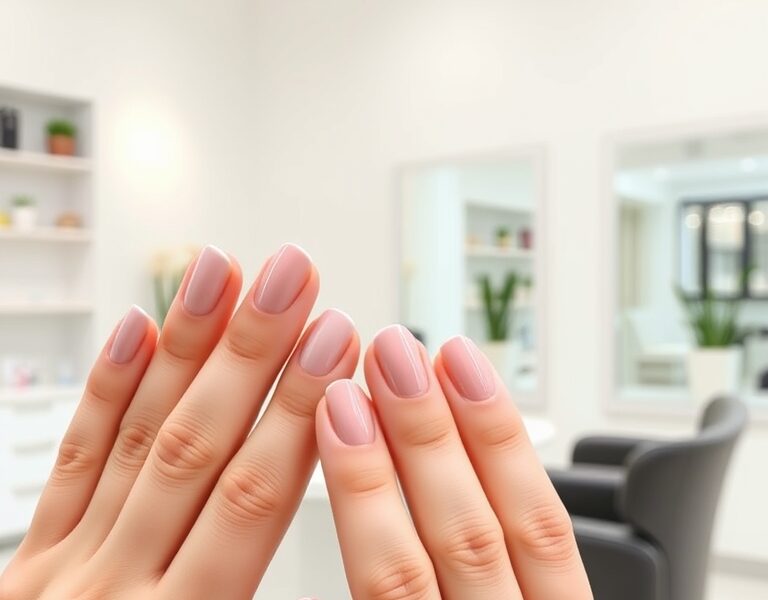
Choosing nail colors that harmonize with your skin tone is more than a fashion choice—it’s a subtle way to amplify your natural beauty. By understanding the science behind undertones, color theory, and seasonal palettes, you can confidently pick shades that feel tailored to you. Below is a step‑by‑step, in‑depth guide that covers everything from identifying your undertone to maintaining healthy nails while experimenting with bold hues.
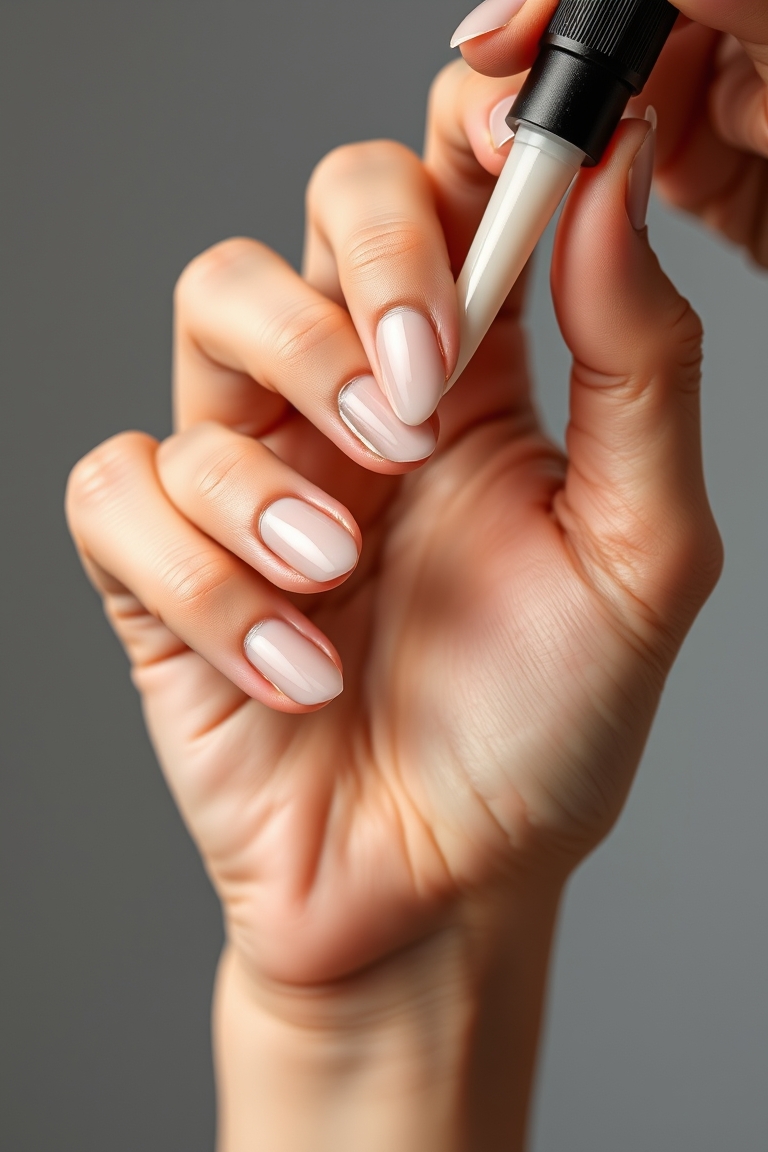
1. Identify Your Skin Undertone
Every person’s skin has a dominant undertone that influences how colors appear on them. Undertones are typically categorized into three groups:
- Warm: yellow, peach, or golden hues
- Cool: pink, red, or blue hues
- Neutral: a balanced mix of warm and cool tones
How to Test Your Undertone
- Vein Test: Look at the veins on the inside of your wrist. Green veins suggest a warm undertone, blue or purple veins indicate a cool undertone, and a mix of both points to neutral.
- Jewelry Test: If gold jewelry looks more flattering, you’re likely warm; if silver shines better, you’re cool. Neutral undertones can rock both.
- Paper Test: Hold a piece of white paper next to your face. If your skin looks more yellowish, you’re warm. If it looks pinkish, you’re cool. A rosy‑golden blend signals neutral.
- Sun Reaction: Warm undertones tend to tan quickly and rarely burn. Cool undertones burn before tanning. Neutral undertones can vary but often have a moderate response.
Take your time with each test—consistency across tests confirms your undertone.


2. Understand Color Theory for Nails
Color theory explains why certain hues complement each other. The color wheel is a useful tool for visualizing relationships:
- Complementary Colors: Opposite each other on the wheel (e.g., blue vs. orange). They create high contrast and vibrancy.
- Analogous Colors: Adjacent on the wheel (e.g., blue, teal, green). Clause for a harmonious look.
- Triadic Colors: Three evenly spaced colors (e.g., red, yellow, blue). Good for balanced, lively palettes.
When selecting nail polish, aim for analogous or complementary shades that align with your undertone. For example, a warm undertone can pair beautifully with analogous warm reds or complementary cool blues.
3. Match Undertone with Nail Color Palettes
Below is an expanded palette that goes beyond the basic chart, offering specific shades and real‑world examples for each undertone.
| Undertone | Shade Family | Examples & Brands |
|---|---|---|
| Warm | Terracotta, Apricot, Warm Taupe, Gold‑tinted Nude | Chanel #22, OPI 12, Essie 90ండి |
| Warm | Burnt Orange, Copper, Golden Brown | Revlon 17, Sally Hansen 18, Nails Inc. 19 |
| Cool | Deep Plum, Dusty Rose, Navy, Soft Lavender | OPI 44, Essie 55, Nails Inc. 70 |
| Cool | Midnight Blue, Emerald, Charcoal Gray | Revlon 31, Sally Hansen 32, OPI 33 |
| Neutral | Soft Pink, Light Gray, Classic Red, Champagne | Essie 70, OPI 75, Revlon 78 |
| Neutral | Muted Green, Dusty Mauve, Taupe‑Brown | Sally Hansen 82, Nails Inc. 85, OPI 88 |
When you discover a favorite shade, test it on one nail first. This “test nail” gives you a preview of how the color will look overall.
4. Seasonal Nail Color Strategies
Seasonal trends can influence your choice, but they don’t override undertone compatibility. Here’s how to weave seasonality into your palette:
Spring
- Pastels: blush pink, mint green, lavender
- Soft neutrals: ivory, light taupe, pale peach
- Tips: Pair a pastel base with a subtle glitter accent on the ring finger.
Summer
- Brights: turquoise, coral, hot pink, lemon yellow
- Bold statements: neon green, electric blue, metallic gold
- Tips: Use a quick‑dry topcoat to keep the polish vibrant under the sun.
Fall
- Earth tones: burnt orange, deep burgundy, olive green, mustard
- Rich neutrals: chocolate brown, deep taupe, warm gray
- Tips: Add a matte finish to complement the season’s muted vibe.
Winter
- Dark hues: navy, charcoal, plum, emerald
- Metallics: silver fireplace, bronze, pewter
- Tips: Consider a high‑gloss topcoat for a polished, reflective look.
5. Everyday Versus Special‑Event Nail Colors
Choosing the right polish depends on context. Below is a decision matrix to help you decide quickly.
| Occasion | Recommended Style | Color Examples |
|---|---|---|
| Daily Wear | Nude or soft pink | Essie 70, OPI 12, Revlon 90 |
| Office/Business | Classic red or deep navy | OPI 44, Sally Hansen 31, Nails Inc. 70 |
| Wedding/Reception | Soft pearl or metallic | Revlon 78, OPI 88, Sally Hansen 85 |
| Party/Concert | Neon, glitter, or bold color | OPI 33, Nails Inc. 19, Revlon 17 |
| Travel | Long‑lasting matte or satin | Essie 90, OPI 12, Sally Hansen 18 |
6. Nail Shape and Color Harmony
The shape of your nails can amplify or mute certain colors. Here’s a quick guide:
- Stiletto/Pointed: Works best with bold, dark colors. Avoid light neutrals that look washed out.
- Square: Versatile—both bright and muted shades look good. Use sharp lines with metallics.
- Oval: Soft, rounded edges pair well with pastels and muted tones.
- Round: Ideal for classic reds or deep plums.
7. Professional vs. DIY Polishes: What to Look For
Choosing the right formula can mean the difference between a flawless manicure and a quick-fail. Below are key attributes to consider:
Professional (Salon) Polishes
- Higher pigment concentration for vivid color.
- Long‑lasting topcoats with UV protection.
- Often contain a higher percentage of solvent for smooth application.
- Price: $15–$30 per bottle.
DIY (At‑Home) Polishes
- Convenient and budget‑friendly ($5–$15).
- May have lower pigment density—multiple coats may be required.
- Often come in a wider variety of trendy shades.
- Look for “3‑in‑1” formulas (base, color, topcoat) for quick application.
8. Common Mistakes and How to Avoid Them
- Ignoring the undertone: Even a trendy shade can look off if it clashes with your skin.
- Skipping the base coat: Leads to staining and uneven color.
- Over‑applying polish: Thin layers are more durable and look cleaner.
- Neglecting nail health: Weak nails often break under heavy polish.
- Using a single topcoat for all shades: Matte topcoats can dull metallics; choose a finish that matches your base.
9. Step‑by‑Step Nail Polish Routine
- Prep: Trim, file, and buff to shape. Remove old polish with acetone.
- Base Coat: Apply 1–2 thin layers to protect nails.
- Color: Apply 2–3 thin coats, allowing 30–45 seconds between each.
- Topcoat: Finish with a clear topcoat—matte, satin, or gloss depending on desired look.
- Dry Time: Let each coat dry for 2–3 minutes before applying the next.
- Aftercare: Moisturize cuticles, apply a quick‑dry spray, and avoid harsh chemicals.
10. Maintaining Healthy Nails While Polishing
- Hydration: Use cuticle oil or a nourishing hand cream daily.
- Breaks: Give your nails a “no‑polish” week every 4–6 weeks.
- Nutrition: Foods rich in biotin, vitamin E, and omega‑3 help nail strength.
- Protective Gloves: Wear gloves when washing dishes or using cleaning products.
- Regular Trims: Keep nails at a manageable length to reduce breakage.
11. Real‑World Examples of Undertone‑Based Choices
Warm Undertone: A 28‑year‑old woman with golden skin chooses an OPI “Sunset” (warm coral) for summer and a “Cinnamon” (deep brown) for fall. The shades enhance her natural warmth without overpowering her complexion.
Cool Undertone: A 35‑year‑old executive with rosy skin opts for a classic red OPI “Red Velvet” for office days and asyncio “Midnight Blue” for evening events. The cool base keeps her look sophisticated.
Neutral Undertone: A 22‑year‑old student with a balanced complexion experiments with pastel mint for spring and a bold “Electric Purple” for parties. The versatility of neutral undertones allows for diverse color play.
12. Frequently Asked Questions (FAQs)
- How to choose nail colors for your skin tone: What factors should I consider? The primary factor is your skin undertone—warm, cool, or neutral. Once identified, match your nail polish to complementary shades that enhance your natural glow. Consider the occasion, nail shape, and desired finish (gloss, matte, satin).
- What if my skin tone changes with the seasons? Skin undertones remain constant, but lighting and surrounding colors can shift perception. Stick to the undertone guide but adjust saturation—lighter pastels in spring, richer hues in fall.
- Can I mix warm and cool shades on the same nail set? Yes, mixing is a creative option. Pair a warm base with cool accents or vice versa, but keep a cohesive theme to avoid clashing. A neutral middle tone often bridges the gap.
- How often should I change my nail color? Every 4–6 weeks is typical for maintenance. If you enjoy experimentation, you can change more frequently—just ensure you give your nails time to recover between polish applications.
- What polish formula works best for sensitive skin? Choose fragrance‑free, silicone‑based formulas. Look for labels that say “hypoallergenic” or “for sensitive skin.” Avoid high‑solvent polishes that can irritate cuticles.
- Can I use the same polish for both nails and cuticles? No. Cuticles need a dedicated oil or cream to keep them hydrated. Polishes are formulated for nail plates and may contain solvents that dry out cuticles.
- Should I use a topcoat with every polish? A topcoat protects the color, adds shine, and extends wear. Use a matte topcoat for metallics to prevent glare, and a gloss topcoat for a classic look.
- How can I make my nails look longer and slimmer? Choose a clear or light‑colored polish to create an optical illusion. A subtle French tip or a thin line accent can also elongate the nail appearance.
- What’s the best way to remove nail polish without damaging nails? Use a gentle acetone remover and avoid harsh rubbing. Soak a cotton pad in remover, place it on the nail, and wait 30 seconds before gently lifting the pad.
- Is it okay to wear nail polish while wearing a manicure kit? Yes, but ensure the kit’s solutions (base, color, topcoat) are compatible. Avoid mixing different brands that may have varying solvent strengths.
For a deeper dive into skin undertones, you can read the Wikipedia article on skin tone. If you’d like to explore community tips and share your own nail looks, visit our community for inspiration and support.
Leave a Reply