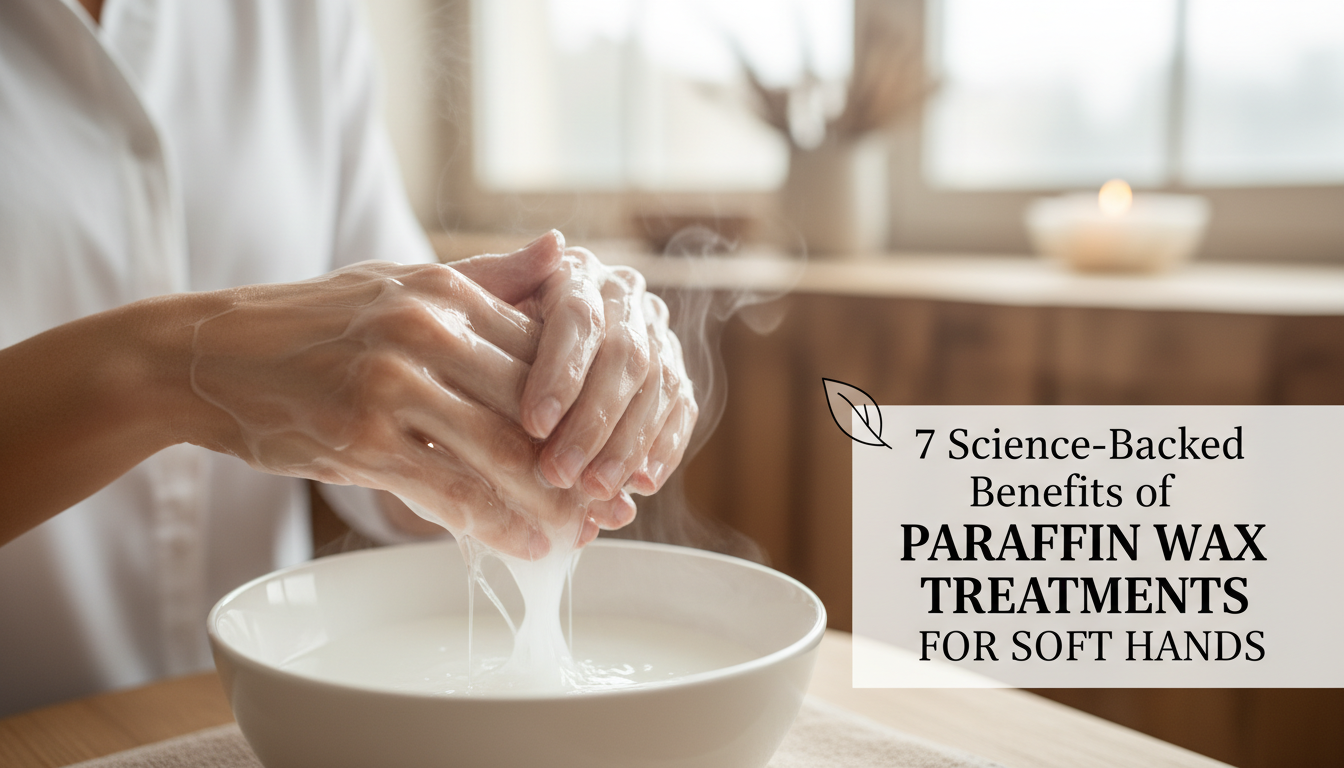
When the colder months arrive or your daily routine involves frequent hand washing, your skin often pays the price. Rough, cracked, and dry hands aren’t just a cosmetic concern; they can be uncomfortable and even painful. While standard lotions provide temporary relief, paraffin wax treatments offer a therapeutic, deep-acting solution backed by both dermatological science and physical therapy practices.
Originally used by surgeons in the early 20th century to treat joint injuries, paraffin wax has evolved into a staple of both luxury spas and clinical settings. This colorless, odorless wax derived from saturated hydrocarbons has a low melting point, allowing the skin to be submerged without risk of burning. Below, we explore the seven science-backed benefits of paraffin wax treatments and why they are a gold standard for achieving incredibly soft, healthy hands.
1. Intense Hydration through Occlusion
The primary reason paraffin wax is so effective for soft skin is a process known as occlusion. Unlike traditional lotions that may evaporate or rub off, paraffin wax creates a physical barrier over the skin’s surface.
When your hands are dipped into the warm wax and allowed to cool, the wax solidifies into a glove. This barrier traps the body’s natural oils and moisture, preventing transepidermal water loss (TEWL). According to dermatological principles, this forced hydration pushes moisture into the deeper layers of the stratum corneum, resulting in a “plumping” effect that lasts far longer than topical creams.
2. Enhanced Thermotherapy for Circulation
Paraffin wax is a form of moist heat therapy. Because the wax has a high heat capacity, it is capable of retaining and transferring heat to the body more efficiently than water or air. This heat triggers vasodilation—the widening of blood vessels.
Improved blood flow to the hands brings a fresh supply of oxygen and essential nutrients to the skin cells. This increased circulation not only gives the hands a healthy, youthful glow but also accelerates the skin’s natural healing processes, making it an excellent treatment for those with minor abrasions or weathered skin.
3. Natural Exfoliation and Pore Cleansing
While paraffin isn’t an abrasive exfoliant like a sugar scrub, it performs a gentle mechanical exfoliation. As the wax cools and hardens, it bonds to dead skin cells on the surface of your hands.
When the wax is removed, these spent cells are lifted away, revealing the fresh, soft skin underneath. Furthermore, the heat from the wax causes the pores to open. This allows the wax to “draw out” dirt and impurities, leaving the skin texture significantly smoother and more refined.
4. Therapeutic Relief for Chronic Joint Pain
Soft hands aren’t just about skin texture; they are also about the comfort of the underlying structures. Paraffin wax is frequently used in physical and occupational therapy to treat conditions such as osteoarthritis, rheumatoid arthritis, and fibromyalgia.
The deep-penetrating heat helps to increase the elasticity of connective tissues and muscles. By reducing stiffness and inflammation in the finger joints, the treatment allows for better range of motion. When the hands are free of tension and pain, the skin appears less stressed and more supple.
5. Skin Barrier Repair for Eczema and Psoriasis
For individuals suffering from chronic dry skin conditions like psoriasis or eczema, the skin barrier is often compromised. Skincare Science suggests that paraffin wax can act as a temporary artificial barrier, giving the underlying skin time to recover without being exposed to environmental irritants.
By intensely softening the thick, scaly patches associated with these conditions, paraffin makes it easier for medicated ointments to penetrate the skin after the treatment. However, it is vital to only use this treatment when the skin is not in an “active flare” or weeping stage.
6. Softening of Hardened Cuticles and Calluses
The skin around the nails—the cuticles—is prone to hardening and peeling, which can lead to painful hangnails. Paraffin wax is exceptionally effective at softening these keratinized areas.
The prolonged exposure to heat and oils during the treatment makes the cuticles more pliable and easier to manage. Similarly, if you have calluses from manual labor or gym workouts, regular paraffin treatments help maintain the skin’s integrity, preventing the calluses from becoming brittle and cracking.
7. Stress Reduction and Psychosomatic Holistic Wellness
There is a strong scientific link between stress and skin health (the brain-skin axis). High cortisol levels can lead to skin dullness and a decrease in moisture retention. The sensory experience of a paraffin wax treatment—the warmth, the weight of the wax, and the forced period of stillness—induces a state of relaxation.
By lowering systemic stress, you indirectly support your skin’s ability to repair itself. The “pampering” aspect of the treatment provides a psychological boost that manifests in healthier-looking skin.
Pros and Cons of Paraffin Wax Advanced Treatments
While the benefits are extensive, it is important to weigh the advantages against the potential drawbacks to ensure it is the right choice for your skin type.
| Pros | Cons |
|---|---|
| Provides immediate and visible results for dry skin. | Not suitable for people with poor blood circulation (e.g., severe diabetes). |
| Drug-free pain relief for arthritic joints. | Cannot be used on open wounds, rashes, or inflammatory skin conditions. |
| Relatively inexpensive and accessible at home or in salons. | Risk of minor burns if the wax temperature is not monitored correctly. |
| Increases the effectiveness of other skincare products. | Wax is petroleum-based, which may not align with “clean beauty” preferences. |
Safety Considerations and Contraindications
To enjoy the benefits of paraffin wax safely, always perform a patch test to check for sensitivity to the wax or added fragrance oils. Ensure your hands are clean and dry before dipping to prevent trapping bacteria under the wax.
Avoid paraffin wax if you have:
- Numbness in the hands (peripheral neuropathy).
- Open cuts, sores, or burns.
- Active skin infections or warts.
- Very sensitive skin prone to heat rashes.
Frequently Asked Questions
How often should I get a paraffin wax treatment?
For general skin maintenance and softness, once every two weeks is usually sufficient. However, if you are using it to manage chronic joint pain or severe winter dryness, weekly treatments may be more beneficial.
Can I do paraffin wax treatments at home?
Yes, home paraffin baths are widely available. Ensure you purchase “food-grade” or “medical-grade” paraffin and use a dedicated heater with a thermostat to prevent the wax from overheating. Never melt paraffin wax on a stovetop or in a microwave, as it is flammable and can reach dangerous temperatures.
How long should I leave the wax on my hands?
Most professionals recommend leaving the wax on for 15 to 30 minutes. Wrapping your hands in plastic liners and then placing them inside insulated mitts will help retain the heat for as long as possible, maximizing the benefits.
Is paraffin wax environmentally friendly?
Paraffin wax is a byproduct of petroleum refining. While it is highly effective for skin health, those looking for eco-friendly alternatives may seek out “soy-based” paraffin substitutes or beeswax-based treatments, though they may have different melting points and therapeutic properties.
Will paraffin wax clog my pores?
While paraffin is an occlusive, it is generally considered non-comedogenic because the molecules are too large to actually penetrate and clog the pores. Instead, it sits on top of the skin. Most people find that it actually helps clear pores by opening them through heat.
—
Topic: Benefits of paraffin wax treatment for hands
Tags: #Skincare ScienceBacked #Benefits #Paraffin #Wax #Advanced Treatments #Soft #Hands